
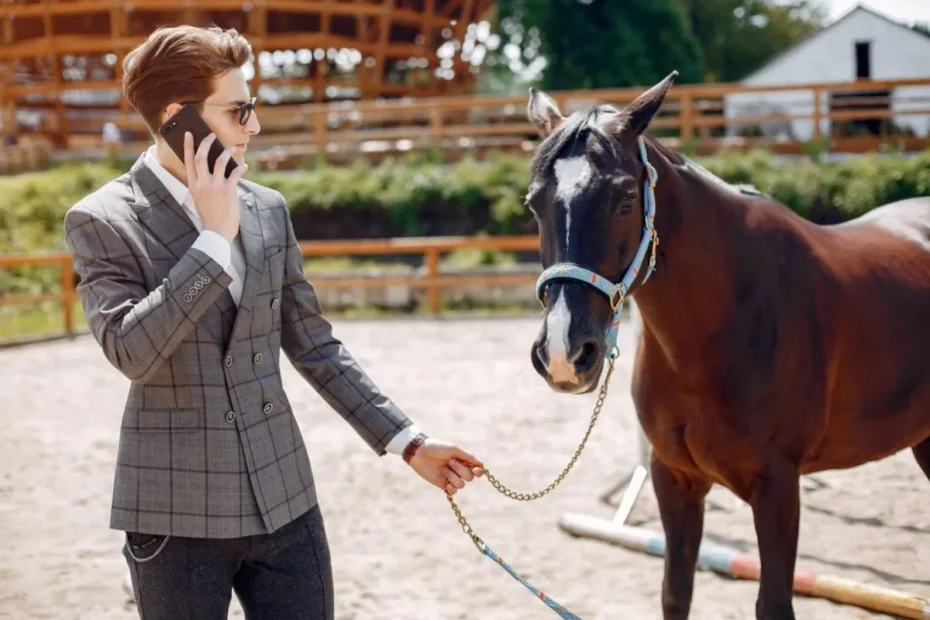
The captivating world of iconic equestrian paintings has long been a source of fascination for art enthusiasts and history buffs alike.
These masterpieces, created by renowned artists throughout the ages, not only showcase the beauty and grace of horses but also offer a profound glimpse into the cultural, historical, and artistic significance of these majestic creatures.
In this article, we’ll embark on a journey through some of the most celebrated equestrian paintings, delving into the stories, techniques, and the visionary minds behind these timeless works of art.
Key Takeaways
- Iconic equestrian paintings have long been a source of fascination, showcasing the beauty and grace of horses through the lens of renowned artists.
- These masterpieces offer a profound glimpse into the cultural, historical, and artistic significance of horses, both as subjects and as symbols.
- Exploring the stories, techniques, and visionary minds behind these paintings provides a deeper understanding of the enduring appeal and legacy of equestrian art.
- The broader cultural significance of equestrian art, including its connections to power, status, and the human-nature relationship, is a key aspect of this exploration.
- This article aims to captivate and inspire readers, regardless of their background, by delving into the world of iconic equestrian paintings and their artists.
Introduction to Equestrian Art
Equestrian art holds a captivating place in the world of visual expression, tracing its roots deep into the annals of Art History.
From ancient cave paintings depicting the power and grace of horses to the masterful depictions of these majestic creatures in modern times, the Symbolism of Horses has consistently played a pivotal role in the creative landscape.
Historical Significance of Horse Imagery
Horses have long been revered for their strength, speed, and symbolic significance across various cultures. The Historical Significance of horse imagery in art is a testament to the enduring fascination with these noble animals.
Throughout the ages, equestrian art has been used to convey themes of power, valor, and the human-animal connection, making it a rich and diverse genre to explore.
The Symbolism of Horses in Art
The Symbolism of Horses in Equestrian Art is multifaceted, with these majestic creatures often representing:
- Strength and endurance
- Freedom and wild spirit
- Nobility and status
- Conquest and military prowess
These symbolic associations have influenced the way horses have been depicted in paintings, sculptures, and other artistic mediums, making them a captivating subject for artists across the centuries.
“Horses are noble, powerful, and beautiful animals that have long captured the imagination of artists and art enthusiasts alike.”
As we delve into the rich tapestry of Equestrian Art, we will uncover the historical significance, symbolic meanings, and the artists who have masterfully captured the essence of these remarkable creatures on canvas and beyond.
Iconic Equestrian Paintings and Their Artists
The world of art is graced by a captivating collection of iconic equestrian paintings that have stood the test of time. These masterpieces, created by some of the most renowned artists in history, offer a window into the enduring allure of horses and their profound significance in art and culture.
From the majestic and powerful depictions of horses in battle scenes to the graceful and elegant portrayals of equine beauty, these iconic paintings have become cornerstones of art history. Let’s explore some of the most celebrated works and the talented artists behind them.
The Timeless Elegance of Stubbs’ Equine Masterpieces
George Stubbs, an 18th-century English painter, is renowned for his meticulous and anatomically accurate depictions of horses.
His paintings, such as the captivating “Whistlejacket,” showcase the artist’s deep understanding of equine physiology and his ability to capture the essence of these magnificent creatures.
“Stubbs’ paintings are a testament to his dedication, his keen eye for detail, and his genuine admiration for the equine form.”
The Wild Spirit of Remington’s American West
Frederic Remington, a celebrated American artist, immortalized the rugged and adventurous spirit of the American West through his dynamic paintings of horses and their riders.
His iconic works, such as “The Stampede,” vividly depict the energy and excitement of frontier life, offering a glimpse into the hearts and minds of those who tamed the untamed lands.
- Remington’s paintings are celebrated for their ability to capture the essence of the American West.
- His equestrian scenes evoke a sense of adventure, courage, and the untamed spirit of the frontier.
These are just a few examples of the iconic equestrian paintings that have captivated art enthusiasts and historians alike. Each work is a testament to the artistic mastery of its creator and the enduring power of the horse as a symbol in the world of art.
Theodore Gericault’s “The Raft of the Medusa”
Among the most iconic equestrian paintings in art history is Theodore Gericault’s masterpiece, “The Raft of the Medusa.” This colossal canvas, measuring an impressive 16 feet by 23 feet, captivates viewers with its dramatic depiction of a real-life shipwreck disaster that occurred off the coast of Senegal in 1816.
The Story Behind the Masterpiece
Gericault’s fascination with the tragic event that inspired “The Raft of the Medusa” began when he learned of the horrific fate that befell the passengers of the French naval frigate Méduse.
After the ship ran aground, a hastily constructed raft was set adrift, carrying those who had been abandoned by the crew. Gericault meticulously researched the disaster, even interviewing survivors, to ensure the accuracy of his artistic interpretation.
Gericault’s Artistic Techniques
The Raft of the Medusa showcases Gericault’s mastery of artistic techniques. The painting’s monumental scale, combined with its dynamic composition and vivid realism, create a sense of urgency and emotional impact that has endured for generations.
Gericault’s skillful use of chiaroscuro, or the contrast between light and shadow, heightens the drama and adds depth to the scene.
“The Raft of the Medusa” stands as a testament to Gericault’s talent and his ability to transform a tragic historical event into a powerful work of Art History.
Through his masterful depiction of this Theodore Gericault painting, the artist has cemented his place as a pioneering figure in the Artistic Techniques of the 19th century and solidified the The Raft of the Medusa as a true Masterpiece of the era.
Rosa Bonheur’s “The Horse Fair”
In the annals of equestrian art, one masterpiece stands out as a true icon: “The Horse Fair” by the renowned French artist Rosa Bonheur.
This captivating painting, completed in 1855, is a testament to Bonheur’s unparalleled skill in capturing the power and grace of horses.
Bonheur’s artistic journey was shaped by her deep fascination with the equine form. She spent countless hours observing and studying horses, even going so far as to disguise herself as a man to gain access to the male-dominated horse markets, where she could meticulously document their movements and features.
The result of Bonheur’s dedication is “The Horse Fair”, a masterpiece that showcases her exceptional talent in equestrian art. The painting depicts a bustling scene at the Parisian horse market, where horses of all shapes and sizes are on display, their muscles rippling and their spirits unbroken.
“In ‘The Horse Fair,’ Bonheur elevates the humble equine to the realm of the sublime, transforming a mundane marketplace into a breathtaking spectacle of power and beauty.”
Bonheur’s meticulous attention to detail, combined with her deep understanding of equine anatomy and behavior, has made “The Horse Fair” a beloved and iconic work of art history. The painting continues to captivate and inspire viewers, standing as a testament to the artist’s unwavering passion for the equestrian world.
- Bonheur’s fascination with horses shaped her artistic journey
- The Horse Fair showcases her exceptional talent in equestrian art
- The painting elevates the humble equine to the realm of the sublime
- “The Horse Fair” is a beloved and iconic work of art history
George Stubbs: The Anatomist of Horses
In the realm of equine art, one name stands out as a true master: George Stubbs. Known as the “Anatomist of Horses,” Stubbs revolutionized the way horses were depicted in paintings through his meticulous anatomical studies. His groundbreaking contributions to the field of Equine Art have cemented his legacy as a significant figure in Art History.
Stubbs’ fascination with the equine form began at an early age, as he spent countless hours observing and sketching horses.
This intense study led him to embark on a remarkable journey, dissecting horses to gain a profound understanding of their anatomy. Armed with this knowledge, Stubbs was able to create Anatomical Studies that were unparalleled in their accuracy and attention to detail.
Stubbs’ Artistic Contribution to the world of equine art is undeniable. His paintings, such as “Whistlejacket” and “The Anatomy of the Horse,” showcase a level of realism and anatomical precision that had never been seen before.
By capturing the intricate musculature, bone structure, and movement of horses, Stubbs elevated the portrayal of these magnificent creatures to new heights.
“Stubbs’ work represents a landmark in the history of Equine Art, as he transformed the way horses were understood and depicted in the visual arts.”
Beyond his technical mastery, Stubbs’ Artistic Contribution also lies in his ability to capture the personality and spirit of his equine subjects. His paintings not only showcase the physical prowess of horses but also their grace, power, and elegance, making them truly captivating works of art.
Through his meticulous Anatomical Studies and his unparalleled artistic vision, George Stubbs has cemented his place as a true icon in the world of Equine Art. His impact on the field continues to be felt, inspiring generations of artists to explore the beauty and complexity of the equine form.
Frederic Remington’s Wild West Scenes
The American artist Frederic Remington is renowned for his captivating equestrian paintings that encapsulate the rugged spirit of the American West.
Through his artistic representation, Remington masterfully brought to life the dynamism and energy of the frontier, transporting viewers to a bygone era of cowboys, Native Americans, and untamed landscapes.
Capturing the Spirit of the American West
Remington’s attention to detail and keen eye for the nuances of equestrian imagery allowed him to create works that resonated deeply with the public. His paintings, such as “The Stampede” and “The Outlier,” showcase the raw power and grace of horses in motion, seamlessly intertwined with the grit and determination of the individuals who inhabited the Wild West.
Remington’s artistic vision was not merely a visual representation; it was a celebration of the American spirit. His equestrian paintings became iconic symbols of the country’s frontier heritage, inspiring a sense of awe and admiration among art enthusiasts and history buffs alike.
“Remington’s art captured the essence of the American West, conveying the rugged individualism and boundless spirit of the frontier.”
Through his masterful use of light, color, and composition, Frederic Remington elevated the genre of equestrian imagery, transforming it into a powerful medium for exploring the cultural and historical significance of the Wild West. His works continue to captivate and inspire audiences, solidifying his legacy as one of the most influential artists in American art.
Equestrian Portraits: Royalty and Power
The tradition of equestrian portraiture has long been associated with the representation of power and nobility. Throughout history, artists have used the image of the horse to convey the social and political significance of their royal subjects.
These equestrian portraits offer a unique glimpse into the power dynamics and artistic representation of royalty in the context of art history.
The Portrayal of Horses in Royal Paintings
Horses have been a symbol of strength, grace, and status for centuries, and their presence in royal paintings serves to elevate the subject’s stature and command.
Artists have often depicted monarchs and aristocrats mounted on majestic steeds, projecting an image of power and authority. The choice of horse breed, its pose, and the rider’s posture all contribute to the overall artistic representation of the subject’s royalty and dominance.
From the monumental equestrian statues of antiquity to the elegant oil paintings of the Renaissance, the horse has been a central figure in the artistic representation of power and authority.
These equestrian portraits serve as a visual testament to the enduring fascination with the relationship between royalty and the horse, a bond that continues to captivate art enthusiasts and historians alike.
Contemporary Equestrian Art
In the ever-evolving world of art, the equestrian genre has continued to captivate artists and art enthusiasts alike. Contemporary equestrian art has seen a surge of modern interpretations and innovative approaches that challenge traditional boundaries and push the boundaries of artistic expression.
Artistic Techniques and Trends
Today’s equestrian artists are exploring a wide array of artistic techniques to bring their visions to life. From bold, abstract brushstrokes to hyper-realistic depictions, the contemporary equestrian art scene is brimming with diverse styles and artistic trends.
Some artists have even incorporated unconventional media, such as found objects and digital elements, to create truly unique and captivating works.
One notable trend in contemporary equestrian art is the exploration of the human-horse relationship, with artists delving into the emotional and symbolic connections between these majestic creatures and their human counterparts.
This has led to the creation of thought-provoking pieces that challenge traditional perceptions and offer fresh perspectives on the equine subject matter.
- Experimentation with a variety of artistic techniques, including painting, sculpture, and mixed media
- Incorporation of innovative approaches that blend traditional and contemporary elements
- Exploration of the complex human-horse relationship and its emotional and symbolic resonance
- Emergence of art trends that push the boundaries of equestrian art and challenge conventional representations
As contemporary equestrian art continues to evolve, artists are captivating audiences with their unique modern interpretations and artistic techniques, offering a fresh and dynamic take on this timeless subject matter.
The Cultural Significance of Equestrian Art
The captivating world of equestrian art has long held a profound cultural significance, transcending the boundaries of mere artistic representation. These paintings have served as powerful vehicles for capturing the deep-rooted relationship between humans and horses, reflecting the societal influences and values that have shaped our collective identity.
From the majestic Equestrian Portraits that adorned the halls of royalty, showcasing the power and prestige associated with the equine form, to the vivid Wild West Scenes that immortalized the spirit of the American frontier, equestrian art has played a pivotal role in shaping cultural narratives and artistic representations throughout history.
The cultural significance of equestrian art extends beyond its aesthetic qualities, delving into the symbolic and metaphorical realms.
Horses have long been revered as symbols of strength, courage, and freedom, and their depiction in art has often been used to reflect the aspirations and values of the societies that produced them.
- The Horse Fair by Rosa Bonheur, for instance, captured the raw power and untamed spirit of these magnificent creatures, resonating with the public’s fascination with the natural world and the enduring allure of the equine form.
- Similarly, the anatomical studies of George Stubbs, with their meticulous attention to detail, contributed to a deeper understanding of the equestrian form, elevating the artistic representation of horses to new heights.
Ultimately, the cultural significance of equestrian art lies in its ability to reflect and shape the values, beliefs, and aspirations of the societies that have celebrated it.
From the grandeur of royal portraiture to the rugged landscapes of the American West, these paintings have captured the essence of our collective cultural identity and our enduring fascination with the equine form.
Collecting and Appreciating Equestrian Paintings
Tips for Collectors and Enthusiasts
For art enthusiasts and collectors, the world of equestrian paintings offers a rich tapestry of artistic expression and historical significance. Whether you’re a seasoned connoisseur or just starting your journey into this captivating genre, there are several keys to unlocking the full artistic value of these timeless works.
Firstly, it’s essential to develop a keen eye for the nuances of equine anatomy and movement, as captured by the skilled brushstrokes of masters like George Stubbs and Frederic Remington. By understanding the technical expertise required to depict horses in such lifelike detail, you’ll gain a deeper appreciation for the artistic merit of these paintings.
Secondly, immerse yourself in the rich historical context that surrounds equestrian art. From the regal portraits of Velázquez to the dramatic scenes of the American West, each work of art reflects the cultural and societal values of its era.
By delving into the stories behind these paintings, you’ll uncover a deeper understanding of their symbolic significance and the artistic vision of their creators.
FAQ
What are some of the most iconic equestrian paintings and the artists behind them?
Some of the most iconic equestrian paintings include “The Raft of the Medusa” by Theodore Gericault, “The Horse Fair” by Rosa Bonheur, and the works of George Stubbs and Frederic Remington, who were renowned for their masterful depictions of horses.
What is the historical significance of horse imagery in art?
Horses have long held a symbolic and cultural significance in art, representing power, strength, and the human connection to nature. Equestrian imagery has been a prominent feature in art throughout history, reflecting the important role of horses in human society.
How did artists like Theodore Gericault and Rosa Bonheur capture the essence of horses in their paintings?
Gericault and Bonheur were masters of equestrian art, using their exceptional skills and attention to detail to bring the power, grace, and movement of horses to life on canvas. Their paintings showcased their deep understanding of equine anatomy and their ability to convey the emotional and dramatic qualities of their subjects.
What were George Stubbs’ contributions to the field of equine art?
George Stubbs, known as the “Anatomist of Horses,” revolutionized the way horses were depicted in art through his meticulous studies of equine anatomy.
His groundbreaking work, including his anatomical drawings and paintings, established new standards for the accurate and naturalistic representation of horses in art.
How did Frederic Remington’s paintings capture the spirit of the American West?
Frederic Remington’s iconic equestrian paintings vividly captured the dynamic and rugged spirit of the American West. His attention to detail and his ability to depict the energy and movement of horses and their riders brought the frontier experience to life on canvas, making him a renowned artist of the American West.
How have equestrian portraits been used to convey power and social status?
Equestrian portraits have long been associated with royalty and the upper echelons of society, as the depiction of a person on horseback symbolized power, wealth, and social status.
Artists have used equine imagery in these portraits to amplify the authority and prestige of their subjects, creating powerful and visually striking works of art.
How are contemporary artists reinterpreting and innovating in the field of equestrian art?
Contemporary artists are exploring new and innovative ways of depicting horses, experimenting with a wide range of media, techniques, and artistic approaches.
From abstract interpretations to hyperrealistic portrayals, modern equestrian art is constantly evolving, pushing the boundaries of traditional equine imagery and offering fresh perspectives on this enduring subject matter.

I’m Fredson Smith, a dedicated researcher at Dincards, passionate about exploring and sharing the diverse world of equines with our readers.