
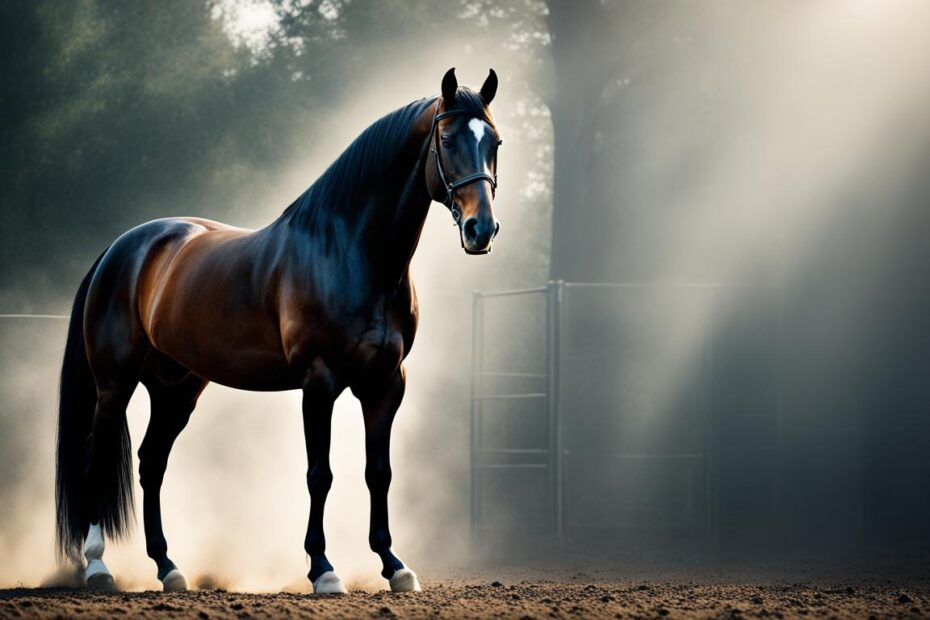
In the captivating world of equestrian sports, the pursuit of show horse excellence is a delicate dance between art and science. Breeders dedicated to cultivating superior horses must navigate a complex tapestry of equine genetics, selective breeding techniques, and meticulous foaling management.
This article delves into the comprehensive strategies employed by industry experts to breed show horses that embody the pinnacle of conformation, performance, and grace.
Key Takeaways
- Understand the role of heredity in equine conformation and desirable traits.
- Explore selective breeding strategies to enhance performance and show-ring success.
- Discover the benefits of pedigree analysis and linebreeding techniques.
- Delve into the advantages of outcrossing and maintaining genetic diversity.
- Gain insights into advanced breeding methods like artificial insemination and embryo transfer.
Understanding Equine Genetics
Equine genetics plays a crucial role in determining the conformation and desirable traits of show horses. By understanding the principles of heredity, breeders can make informed decisions to enhance the physical attributes and performance capabilities of their equine athletes.
The Role of Heredity in Conformation
Equine conformation, the physical structure and appearance of a horse, is largely influenced by genetic factors. Traits such as bone structure, muscle development, and overall body proportions are passed down from parents to their offspring.
Breeders carefully analyze the pedigrees of their breeding stock to identify the genetic predispositions that contribute to desirable conformation.
Identifying Desirable Traits
In the pursuit of breeding successful show horses, breeders must be adept at identifying and selecting for desirable traits. These can include characteristics such as strong, well-proportioned limbs, a graceful neck and head, and a balanced, athletic build.
By understanding the genetic basis of these traits, breeders can strategically pair their breeding stock to enhance the likelihood of producing offspring that exhibit the sought-after conformation.
Careful analysis of equine genetics and a deep understanding of heredity are essential for breeders aiming to create show-worthy horses. By leveraging this knowledge, they can make informed decisions and develop effective breeding strategies to produce equine athletes with the conformation and desirable traits that thrive in the competitive show ring.
Selective Breeding for Performance
In the pursuit of creating exceptional show horses, selective breeding plays a pivotal role. Breeders must carefully evaluate potential sires and dams, considering not only their physical attributes but also their performance traits. This strategic approach to breeding aims to enhance the desired characteristics that are crucial for success in the show ring.
The selection process begins by identifying the specific performance traits that are highly valued in the show horse industry.
These may include agility, speed, endurance, and responsiveness to training. Breeders then scour their breeding stock, closely examining the individual horses to assess their potential to pass on these desirable traits to their offspring.
- Evaluating Conformation: Breeders meticulously analyze the physical structure and proportions of their horses, ensuring that the chosen breeding stock possesses the correct conformation that is essential for optimal performance.
- Assessing Behavioral Characteristics: In addition to physical attributes, breeders also consider the temperament and trainability of the horses, as these behavioral traits play a significant role in their ability to excel in the show ring.
- Pedigree Analysis: Thorough research into the pedigree of potential breeding stock provides valuable insights into the genetic history and the likelihood of passing on desirable performance traits to the offspring.
By meticulously selecting the right combination of sire and dam, breeders can increase the chances of producing show horses with the exceptional performance traits that are highly sought after in the industry.
This selective breeding approach is a crucial component in the pursuit of creating champion-caliber show horses.
Breeding Strategies for Show Horses
Successful show horse breeders employ strategic breeding techniques to achieve the desired conformation and grace in their equine athletes. A crucial aspect of this process is pedigree analysis, which helps identify desirable bloodlines and traits.
Pedigree Analysis
By carefully examining the pedigrees of potential breeding stock, breeders can uncover valuable information about an individual’s genetic makeup. This allows them to make informed decisions when selecting sires and dams, ensuring the offspring will possess the characteristics essential for success in the show ring.
Linebreeding Techniques
One powerful breeding strategy used by show horse enthusiasts is linebreeding. This selective mating approach aims to concentrate and enhance specific traits by breeding individuals that share a common ancestor or ancestors.
Through linebreeding, breeders can refine the conformation, movement, and overall presence of their show horses, ultimately giving them an edge in the competitive arena.
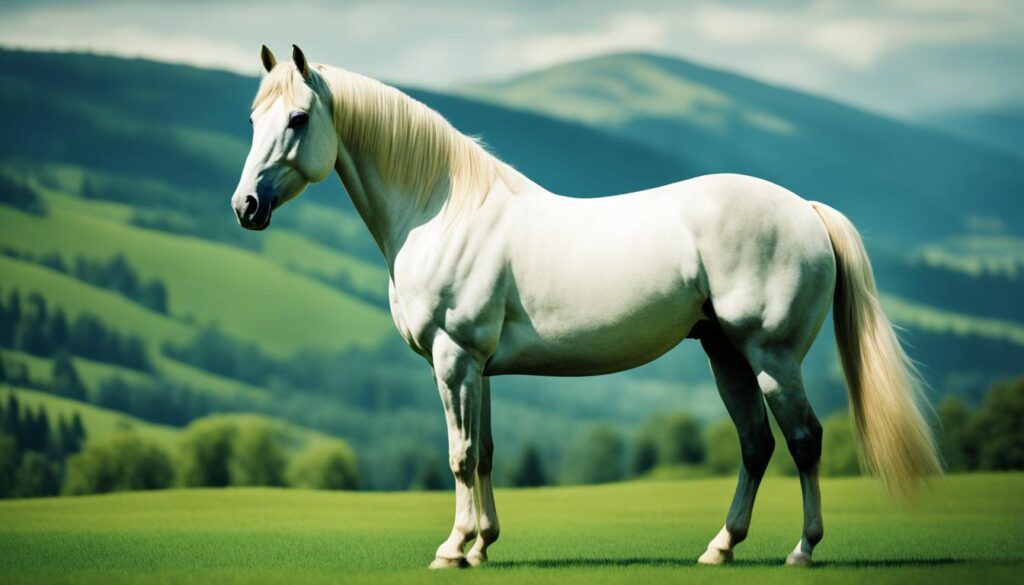
By combining pedigree analysis and linebreeding techniques, show horse breeders can create a potent formula for success. These strategies allow them to cultivate the perfect balance of conformation, grace, and performance that judges and audiences alike admire in the show ring.
Outcrossing and Genetic Diversity
In the world of show horse breeding, maintaining genetic diversity is crucial for the long-term health and performance of the herd.
One effective strategy to achieve this is through the practice of outcrossing. Outcrossing involves introducing new bloodlines into the breeding pool, which can help prevent inbreeding and preserve the gene pool’s vitality.
Benefits of Outcrossing
Outcrossing offers several advantages for show horse breeders:
- Increased Genetic Diversity: By bringing in unrelated individuals, outcrossing expands the genetic diversity within the breeding program, reducing the risk of inherited disorders and enhancing overall herd health.
- Improved Conformation and Performance: The infusion of new genetic material can introduce desirable traits, such as improved conformation or enhanced athletic abilities, which can be valuable for show horse competitions.
- Hybrid Vigor: Outcrossing can lead to the phenomenon of hybrid vigor, where the offspring exhibit superior traits compared to their parents, further enhancing the quality of the show horses.
While linebreeding can be a useful tool for reinforcing specific characteristics, it’s essential to balance it with strategic outcrossing to maintain a healthy and diverse gene pool.
This balance ensures that show horses not only possess the desired conformation and performance traits but also possess the resilience and adaptability necessary to thrive in the demanding world of equestrian competition.
Artificial Insemination and Embryo Transfer
In the realm of show horse breeding, modern techniques like artificial insemination and embryo transfer have revolutionized the path to achieving superior conformation and performance. These advanced reproductive technologies offer breeders unprecedented control over the genetic makeup of their equine athletes.
Artificial insemination, or AI, allows for the selective use of proven sires, granting access to elite stallions from around the world. This process involves the collection and storage of semen, which can then be carefully introduced to the mare’s reproductive tract, eliminating the need for physical mating.
By focusing on the most desirable genetic traits, breeders can enhance the chances of producing offspring with the coveted show ring qualities.
Embryo transfer takes this concept a step further, enabling the transfer of a fertilized embryo from one mare to another.
This technique opens up the possibility of preserving valuable bloodlines and maximizing the reproductive potential of elite mares, who can continue competing while their embryos are gestated by recipient mothers. The result is a streamlined path to propagating the most sought-after show horse lineages.
While the implementation of these advanced breeding methods requires specialized expertise and careful consideration, the benefits they offer to the show horse industry are substantial.
By harnessing the power of artificial insemination and embryo transfer, breeders can elevate the genetic quality of their show horse herds, paving the way for a new generation of equine champions.
Foaling Management for Show Horses
Successful foaling management is crucial for ensuring the optimal development of show horses. This section delves into the critical aspects of pre-foaling preparations and post-foaling care, equipping breeders with the necessary knowledge to navigate this pivotal stage in a show horse’s life.
Pre-Foaling Preparations
As the due date for foaling approaches, meticulous pre-foaling preparations are essential. Breeders must closely monitor the mare’s health, ensuring she is in peak physical condition to support the birthing process and the newborn foal’s needs. This includes regular veterinary check-ups, proper nutrition, and a secure, well-equipped foaling environment.
Attention to detail is paramount during this phase. Breeders should familiarize themselves with the signs of impending foaling, such as changes in the mare’s behavior and physical characteristics, to be ready to provide timely assistance if needed.
Proactive measures and vigilance during pre-foaling can significantly improve the chances of a successful and stress-free delivery.
Post-Foaling Care
Once the foal is born, the post-foaling care stage begins. This critical period requires close monitoring and meticulous attention to the newborn’s well-being. Breeders must ensure the foal’s first nursing, evaluate the integrity of the umbilical cord, and closely observe for any potential complications or health concerns.
Ongoing foaling management includes regular veterinary check-ups, proper nutrition for the mare and foal, and a secure, nurturing environment. Breeders must also be prepared to provide any necessary intervention or medical treatment to support the foal’s development and growth.
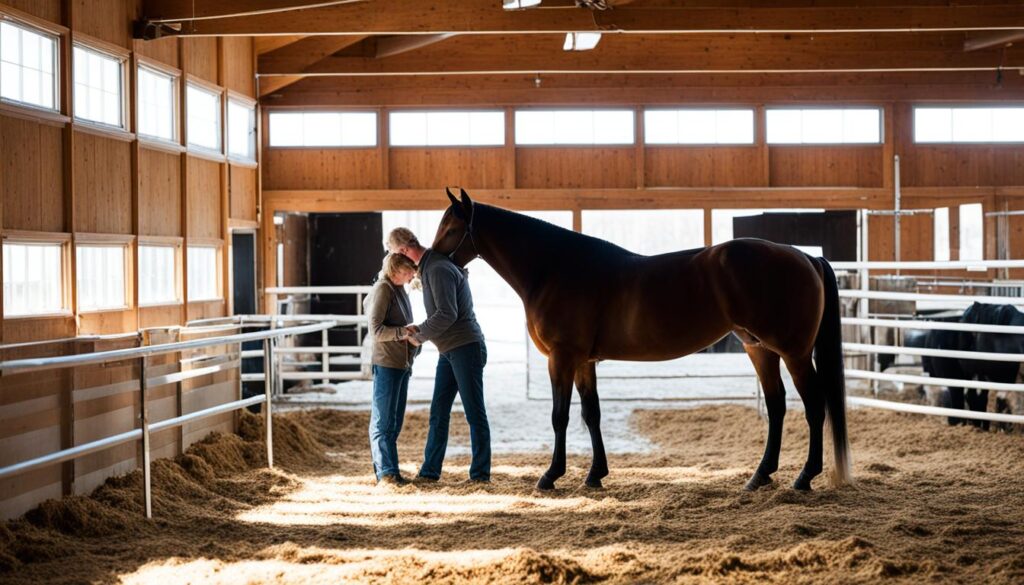
By prioritizing both pre-foaling and post-foaling care, breeders can optimize the chances of successfully raising a show-quality foal. This comprehensive approach to foaling management lays the foundation for the young horse’s future success in the show ring.
Nurturing the Young Show Horse
Raising a young show horse is a rewarding yet meticulous journey. The early stages of a foal’s development are crucial in shaping their future performance and conformation. As breeders, our role is to provide the right balance of nutrition, training, and socialization to help these equine athletes thrive.
Proper foal development begins with a well-planned nutritional regimen. A balanced diet, rich in essential vitamins and minerals, lays the foundation for strong bones, healthy muscles, and vibrant coat. Regular deworming and veterinary check-ups ensure the young show horse’s overall well-being.
- Introduce a high-quality foal feed that supports steady growth and muscle development.
- Provide access to clean water and ample grazing or hay to meet their natural grazing instincts.
- Monitor weight gain and adjust the feeding program as the young show horse matures.
Alongside proper nutrition, training and socialization are crucial for the young show horse to thrive. Early exposure to various environments, people, and other horses helps build confidence and adaptability – essential traits for the show ring.
- Accustom the foal to handling, grooming, and basic lead training from an early age.
- Incorporate gentle desensitization exercises to prepare them for the sights and sounds of the show arena.
- Introduce the young show horse to the show circuit gradually, allowing them to acclimate to the atmosphere.
By nurturing the young show horse with care and attention, we lay the groundwork for a successful show career. Through a holistic approach to their development, we can cultivate confident, graceful, and high-performing equine athletes.
Evaluating Conformation and Movement
Assessing the conformation and movement of show horses is a crucial aspect in the breeding and training process. It allows breeders and trainers to identify the structural correctness of a horse, ensuring they possess the desired attributes for success in the show ring.
By closely examining the proportions, balance, and overall harmony of a horse’s build and gaits, professionals can make informed decisions about the animal’s potential and tailor their training strategies accordingly.
Assessing Structural Correctness
The evaluation of structural correctness in show horses encompasses several key elements:
- Proportions: Analyzing the relative size and relationship of different body parts, such as the head, neck, shoulder, and hindquarters, to ensure proper balance and harmony.
- Symmetry: Ensuring the horse’s left and right sides exhibit a high degree of symmetry, indicating a healthy and well-developed musculoskeletal system.
- Conformation: Evaluating the alignment and angulation of the horse’s limbs, joints, and overall skeletal structure to determine their suitability for the demands of show competition.
- Movement: Observing the horse’s gaits, including walk, trot, and canter, to assess the fluidity, power, and efficiency of their movements, which are crucial for both performance and aesthetic appeal.
By carefully considering these elements, breeders and trainers can identify the horses with the structural correctness and movement capabilities that are most likely to excel in the show ring, ultimately enhancing the overall quality and competitiveness of their breeding and training programs.
Training and Conditioning for the Show Ring
Preparing a show horse for the competition arena requires a meticulous approach to training and conditioning. Developing the necessary performance skills, from flawless gaits to graceful movements, is essential for success.
Equally crucial is the focus on the horse’s overall fitness and physical conditioning, ensuring they can endure the demands of the show ring with energy, power, and stamina.
The training regimen for show horses encompasses a wide range of techniques, from refining the horse’s response to aids to perfecting their ability to perform intricate patterns and maneuvers. Patience, consistency, and a deep understanding of equine psychology are key to unlocking the true potential of these equine athletes.
Trainers must also collaborate closely with riders, harmonizing their skills and communication to create a seamless partnership on the show floor.
Conditioning the show horse is a multifaceted process that addresses both physical and mental well-being. A comprehensive fitness plan that includes targeted exercises, cross-training, and proper nutrition helps build the horse’s strength, endurance, and flexibility.
Additionally, exposing the horse to the sights, sounds, and environments of the show ring, through practice sessions and simulated competition scenarios, prepares them to perform with confidence and poise when the spotlight is on.
FAQ
What is the role of heredity in equine conformation?
Heredity plays a crucial role in determining the conformation of show horses. Understanding the principles of equine genetics and how desirable traits are passed down from parents to offspring is essential for breeders to produce horses with the desired physical characteristics.
How can breeders identify desirable traits for their show horse breeding program?
Identifying desirable traits is a key aspect of selective breeding for show horses. Breeders must carefully evaluate potential breeding stock, considering both physical and behavioral characteristics that align with the breed standard and performance requirements of the show ring.
What are the benefits of pedigree analysis in show horse breeding?
Pedigree analysis is a vital tool for show horse breeders. By studying the lineage and bloodlines of potential breeding stock, breeders can identify desirable traits, predict the likelihood of passing them on to offspring, and make informed decisions to enhance their breeding program.
How can linebreeding techniques be used to improve show horse conformation and performance?
Linebreeding, the practice of mating closely related individuals, can be a powerful strategy for concentrating and enhancing specific desirable traits in show horses. Careful implementation of linebreeding, coupled with a deep understanding of equine genetics, can help breeders refine the physical and performance characteristics of their breeding stock.
What are the advantages of outcrossing in show horse breeding programs?
Outcrossing, the introduction of new bloodlines into a breeding program, can be beneficial for maintaining genetic diversity and preventing inbreeding depression. By carefully selecting unrelated breeding stock, breeders can introduce fresh genetic material while still preserving the desirable traits they have cultivated.
How can artificial insemination and embryo transfer technologies benefit show horse breeding?
Artificial insemination and embryo transfer offer significant advantages for show horse breeders. These advanced breeding techniques allow for improved genetic selection, increased reproductive efficiency, and the ability to preserve valuable bloodlines, all of which can contribute to the development of high-performing show horses.

I’m Fredson Smith, a dedicated researcher at Dincards, passionate about exploring and sharing the diverse world of equines with our readers.