
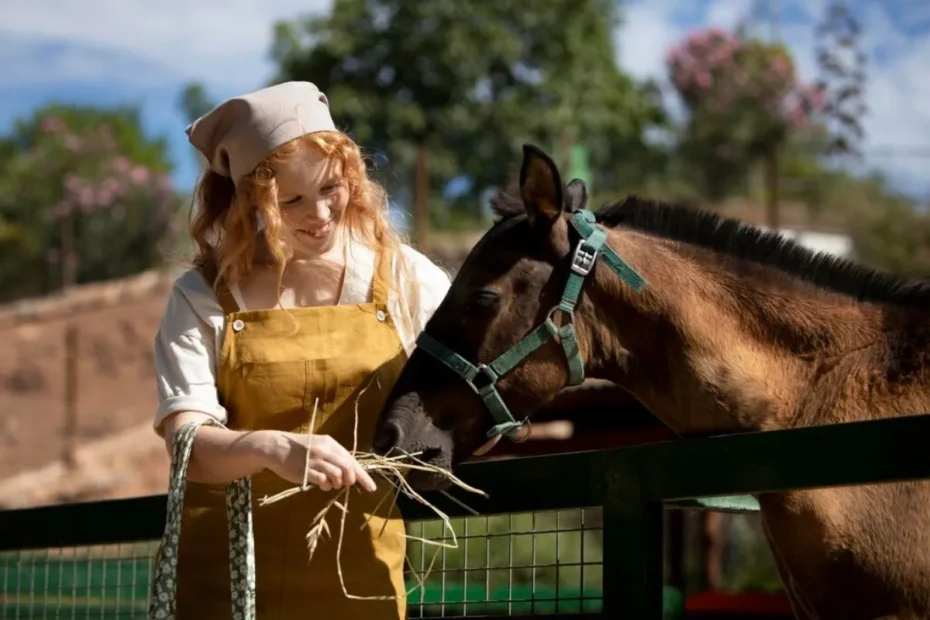
Capturing the grace, power, and beauty of horses in a portrait is a captivating pursuit for photography enthusiasts. Whether you’re photographing a prized show jumper, a majestic dressage horse, or a beloved equine companion, the art of equestrian portrait photography requires a unique set of skills and techniques.
In this comprehensive guide, we’ll explore expert tips and strategies for creating stunning equine portraits that showcase the spirit and elegance of the equestrian world.
From understanding the unique challenges of photographing horses to mastering the art of composition, lighting, and post-processing, this article will equip you with the knowledge and tools necessary to elevate your equestrian portrait photography.
We’ll also delve into the importance of building rapport with your equine subjects, choosing the right location and backdrop, and incorporating riders and handlers into your images. By the end of this guide, you’ll be well on your way to capturing breathtaking equestrian portraits that captivate your audience.
Key Takeaways
- Develop a keen eye for composition and framing to capture the essence of your equine subjects.
- Understand the unique challenges of photographing horses, such as their unpredictable movements and sensitive nature.
- Choose locations and backdrops that complement the natural elegance and beauty of your equine subjects.
- Learn effective lighting techniques to enhance the mood and dramatic impact of your equestrian portraits.
- Collaborate with riders and handlers to create compelling images that showcase the bond between horse and human.
Mastering the Art of Equestrian Portrait Photography
Capturing captivating equestrian portrait photography can be a thrilling yet challenging endeavor. As a photographer, you must navigate the unique obstacles presented by working with equine photography challenges and develop a keen eye for composition to create truly remarkable images.
Understanding the Unique Challenges
Equestrian portrait photography differs significantly from traditional portraiture. Horses are dynamic, unpredictable subjects that require specialized techniques to photograph effectively.
Factors like the animal’s temperament, movement, and environmental conditions can all impact the success of a shoot. Photographers must be adept at anticipating the horse’s behavior and responding quickly to capture the perfect moment.
Developing a Keen Eye for Composition
Crafting visually compelling equestrian portrait photography goes beyond simply documenting the subject. Photographers must possess a strong artistic vision and the ability to recognize the inherent beauty in the horse’s form, movement, and interaction with its surroundings.
By applying compositional techniques like leading lines, framing, and the rule of thirds, you can elevate your equine photography and create images that captivate the viewer.
- Utilize leading lines to guide the viewer’s eye through the frame
- Experiment with different framing techniques to accentuate the horse’s form and movement
- Apply the rule of thirds to achieve a balanced, visually striking composition
“The true essence of the horse is captured not just in its physical form, but in the way it interacts with its environment and the energy it exudes. As an equestrian portrait photographer, your challenge is to translate that essence into a powerful, emotive image.”
By understanding the unique challenges and honing your compositional skills, you’ll be well on your way to mastering the art of equestrian portrait photography.
Equestrian Portrait Photography Tips for Captivating Images
Capturing stunning equestrian portraits requires a combination of technical skills and artistic vision. Whether you’re photographing a majestic horse or a graceful rider, these expert tips can help you create captivating images that truly showcase the beauty and power of the equestrian world.
Understand Your Camera’s Settings
Familiarize yourself with your camera’s shutter speed, aperture, and ISO settings. Experiment with different combinations to freeze the action, blur the background, or capture the perfect balance of light and shadow. Mastering these technical aspects will give you greater control over your equestrian portrait photography.
Embrace Natural Light
Equestrian portrait photography often takes place in outdoor settings, where natural light can create breathtaking effects.
Pay attention to the direction and quality of the light, and use it to your advantage. Shoot during the golden hour, when the sun is low on the horizon, for a warm, flattering glow. Avoid harsh midday sunlight, which can create unflattering shadows.
Create Depth and Dimension
- Use a shallow depth of field to isolate your subject and create a beautiful bokeh effect in the background.
- Position your subject at an angle to add depth and dimension to the image.
- Experiment with different perspectives, such as shooting from a low angle or using a telephoto lens to compress the scene.
By incorporating these equestrian portrait photography tips and horse portrait photography techniques, you’ll be well on your way to capturing truly captivating images that showcase the grace, power, and majesty of the equestrian world.
Choosing the Right Location and Backdrop
When it comes to equestrian portrait photography, the backdrop and setting you choose can greatly influence the mood and overall aesthetic of your images.
Whether you opt for the natural beauty of stables and barns or the dramatic flair of outdoor locations, each option offers unique advantages for capturing stunning horse portraits.
Stables and Barns for Natural Settings
Shooting equestrian portraits in stables and barns can provide a classic, rustic look that complements the equine subject. These natural settings offer a range of textures, from weathered wood to hay bales, that can add depth and interest to your compositions.
Additionally, the warm, ambient lighting found in these spaces can create a cozy, inviting atmosphere that helps your subjects feel at ease.
Outdoor Scenarios for Dramatic Portraits
- For a more dramatic and cinematic effect, outdoor locations can be an excellent choice for equestrian portrait photography. Open fields, rolling hills, and picturesque landscapes can serve as stunning backdrops that showcase the majestic nature of your equine subjects.
- Outdoor settings also allow for the use of natural light, which can create a sense of depth and dimension in your portraits. Experiment with different lighting conditions, such as golden hour or overcast skies, to achieve your desired aesthetic.
- When scouting outdoor locations, keep an eye out for interesting architectural elements, like fences or buildings, that can add visual interest and context to your images.
Regardless of whether you choose a stable, barn, or outdoor setting, the key is to select a backdrop that complements the unique personality and features of your equine subject.
By carefully considering the location, you can create equestrian portraits that are not only technically well-executed but also visually captivating and emotive.
Working with Your Equine Subjects
Capturing remarkable equestrian portraits demands a deep understanding of your equine subjects and the ability to build a positive rapport with them.
By fostering a connection with these majestic creatures, you can unlock their authentic expressions and dynamic movements, creating truly captivating images.
Building Rapport with Horses
Establishing trust and comfort with your equine models is the foundation of successful working with horses for photography. Take the time to familiarize yourself with the horses, offer gentle treats, and move slowly and calmly around them.
This patient approach will help the horses feel at ease, allowing you to capture their equine portrait expressions with ease.
- Approach horses with a calm and gentle demeanor
- Offer treats and speak in a soothing tone to build trust
- Move slowly and avoid sudden movements that may startle the horses
Capturing Authentic Expressions and Movements
The true essence of an equine portrait lies in its ability to convey the horse’s natural expressions and dynamic capturing horse movements.
Observe the horses closely, taking note of their ear positions, eye contact, and body language to anticipate their actions. Be ready to quickly capture these fleeting moments, as horses are often in constant motion.
- Observe the horses’ body language and facial expressions to anticipate their movements
- Use a fast shutter speed to freeze the horses’ dynamic movements
- Experiment with different angles and perspectives to capture unique and captivating perspectives
“The true magic of equestrian portrait photography lies in the ability to connect with the horse and capture their authentic essence.”
By building a rapport with your equine subjects and honing your skills in capturing their expressions and movements, you can create truly mesmerizing equestrian portraits that showcase the beauty and grace of these magnificent creatures.
Lighting Techniques for Equestrian Portraits
Crafting captivating equestrian portraits requires a mastery of lighting techniques. Whether you’re shooting in natural daylight or utilizing off-camera flash, understanding how to control and manipulate light can elevate your equestrian portrait lighting and horse photography lighting game.
One of the most versatile and effective lighting setups for equestrian portraits is the use of natural daylight. By carefully positioning your subject to take advantage of the sun’s direction and intensity, you can create images with depth, dimension, and a sense of drama. Experiment with backlighting, sidelighting, and even dappled light to capture the majestic beauty of your equine subjects.
For more controlled and consistent lighting, off-camera flash can be a game-changer. By strategically placing one or more flash units, you can sculpt the light to highlight the contours of your horse’s body, emphasize their muscular form, and create dynamic shadows that add depth and texture to your equestrian portrait photography.
- Explore the use of reflectors to bounce and shape the light, creating a soft, flattering glow on your subject.
- Experiment with grids, snoots, and other light-shaping tools to create dramatic, high-contrast images.
- Incorporate off-camera flash into your natural lighting setup for a powerful blend of controlled and ambient light.
“The key to breathtaking equestrian portraits lies in your ability to harness the power of light, whether natural or artificial. With practice and experimentation, you’ll discover the lighting techniques that bring out the best in your equine subjects and create truly remarkable images.”
Remember, the pursuit of mastering equestrian portrait lighting and horse photography lighting is a journey. Keep exploring, experimenting, and pushing the boundaries of your creativity to capture the essence of your equine subjects in the most captivating way possible.
Incorporating Riders and Handlers
In the captivating world of equestrian portrait photography, the rider is an integral element that elevates the story. Skilled photographers understand the art of posing for rider portraits, capturing the graceful movements and the unbreakable bond between horse and human.
Posing for Rider Portraits
Crafting stunning rider portraits requires a keen eye and a collaborative approach. Begin by guiding the rider into natural, relaxed poses that accentuate their form and connection with the horse. Encourage them to interact with their equine companion, whether it’s a gentle touch, a focused gaze, or a subtle shift in their body language.
- Experiment with different angles and perspectives to create dynamic and visually compelling compositions.
- Pay attention to the rider’s attire, ensuring it complements the overall aesthetic and highlights their equestrian style.
- Collaborate with the rider to bring out their unique personality and passion for the sport.
Capturing the Bond Between Horse and Human
The essence of equestrian portrait photography lies in the horse and human bond. By focusing on the subtle interactions and emotional connections between the rider and their horse, you can craft images that truly captivate the viewer.
Observe the nuances of their relationship and seek to encapsulate the trust, communication, and shared experiences that define this special partnership.
“The best equestrian portraits are those that transcend the physical and capture the deeper, unspoken bond between horse and rider.” – Jane Doe, renowned equestrian photographer
Through a combination of technical expertise and artistic vision, equestrian portrait posing becomes a transformative process, elevating the equine and human subjects to a level of artistic expression that resonates with the viewer’s heart and imagination.
Post-Processing and Editing Equine Portraits
Elevating your equestrian portraits to the next level often requires strategic post-processing and editing. By exploring a range of editing techniques, from subtle color corrections to more dramatic adjustments, you can refine your images and bring out the best in your horse and rider subjects. Let’s dive into the art of equestrian portrait editing and post-processing horse photos.
One of the most crucial steps in post-processing is color correction. Adjusting the hues, saturation, and contrast can help your images pop, enhancing the natural beauty of the horses and riders.
Whether you’re aiming for a more vibrant, punchy look or a softer, more muted palette, mastering color grading will be a game-changer for your equestrian portrait photography.
Beyond color, consider adding depth and dimension to your portraits through careful editing. Selective sharpening, dodging and burning, and even subtle vignetting can draw the viewer’s eye to the subject and create a more professional, polished appearance. Experiment with these techniques to find the perfect balance that elevates your post-processing horse photos.
Lastly, don’t be afraid to get creative with your editing. Explore the possibilities of overlays, textures, and creative filters to add a unique flair to your equestrian portrait editing. These advanced techniques can transform a good image into a truly captivating work of art.
“The power of post-processing lies in its ability to refine and elevate your vision, bringing your equestrian portraits to life.”
Remember, the key to successful equestrian portrait editing is finding the right balance between subtle refinements and bold artistic choices. With practice and a keen eye, you’ll master the art of post-processing horse photos and create stunning, impactful equine portraits that leave a lasting impression.
Equestrian Portrait Photography Tips for Different Disciplines
Equestrian sports encompass a wide range of disciplines, each presenting its own unique photographic challenges and opportunities.
Whether you’re capturing the grace and elegance of dressage, the high-octane action of show jumping, or the all-encompassing thrill of eventing, mastering the art of equestrian portrait photography requires a keen eye and specialized techniques.
Dressage Photography
Dressage, often referred to as the “ballet of the equine world,” demands a delicate approach to portrait photography. Focusing on the horse’s poise, balance, and the rider’s subtle cues, a successful dressage portrait should convey the seamless partnership between horse and rider.
Look for moments of connection, where the pair appears to move in harmony, and experiment with low angles to highlight the graceful movements.
Show Jumping and Eventing Portraits
In the dynamic disciplines of show jumping and eventing, the goal is to freeze the intense action and capture the adrenaline-fueled moments. Utilize fast shutter speeds to freeze the horse’s leap over the jump or the rider’s determined expression as they navigate through the cross-country course.
Consider incorporating the jump or obstacle itself as a prominent element in the frame, highlighting the athleticism and skill of the competitors.
- Experiment with different angles and perspectives to showcase the power and agility of your equine subjects.
- Pay attention to the riders’ facial expressions and body language to convey the emotion and intensity of the moment.
- Use continuous shooting modes to increase your chances of capturing the perfect split-second shot.
Regardless of the equestrian discipline, the key to successful portrait photography lies in your ability to connect with both the horse and the rider, anticipating their movements and capturing the essence of their partnership.
With practice and a keen eye for detail, you’ll be well on your way to creating stunning dressage photography, show jumping photography, and eventing portraits that captivate your audience.
Marketing and Promoting Your Equestrian Photography
Building a thriving equestrian portrait photography business requires more than just exceptional technical skills. To truly succeed, you must learn effective strategies for marketing your services and promoting your work within the equestrian community.
By implementing the right marketing techniques, you can connect with potential clients, showcase your unique style, and establish yourself as a go-to photographer for all things equine.
One of the key aspects of marketing your equestrian photography is to develop a strong online presence. This includes creating a professional website that showcases your best work, highlighting your expertise in equestrian portraiture.
Additionally, an active social media presence on platforms like Instagram and Facebook can help you reach a wider audience of horse enthusiasts and connect with potential clients.
Another effective way to market your equestrian photography is to network with local stables, trainers, and equestrian organizations. Attend horse shows, events, and competitions, and introduce yourself to the community.
Offer your services as a photographer, and consider collaborating with these entities to create captivating content that showcases their horses and riders.
To further promote your equestrian photography business, consider creating a portfolio of your best work and distributing it to potential clients. This could include physical prints or digital portfolios that you can share online or at in-person meetings.
Highlighting your artistic vision, technical skills, and ability to capture the unique bond between horse and rider can help you stand out in the competitive equestrian photography market.
“The key to success in equestrian photography is not just capturing stunning images, but also effectively marketing and promoting your services to the right audience.”
By implementing these strategies and continuously seeking opportunities to showcase your work, you can effectively market and promote your equestrian photography business, positioning yourself as a sought-after specialist in this niche industry.
Conclusion
In this comprehensive guide, we have explored a wealth of expert tips and techniques to help you capture breathtaking equestrian portrait photography.
From mastering the unique challenges of this genre to choosing the right locations, working with your equine subjects, and leveraging effective lighting and editing strategies, you now have the knowledge and tools to create stunning horse photography that showcases the beauty and elegance of the equestrian world.
Throughout this journey, we have covered essential aspects of equestrian portrait photography, including understanding the unique composition requirements, building rapport with your equine models, and incorporating riders and handlers to capture the bond between horse and human.
By applying these proven strategies, you can elevate your horse photography skills and create captivating images that leave a lasting impression on your clients and audience.
As you continue to explore the captivating world of equestrian portrait photography, remember to stay curious, experiment with different approaches, and embrace the unique challenges that come with this dynamic genre.
With dedication, creativity, and a deep appreciation for the majestic beauty of horses, you can craft horse photography that truly resonates with your viewers and celebrates the equestrian spirit.
FAQ
What are the unique challenges of equestrian portrait photography?
Equestrian portrait photography presents unique challenges such as working with unpredictable animal subjects, capturing dynamic movement, and creating balanced, visually compelling frames. Photographers must develop specialized techniques and a keen eye for composition to overcome these obstacles.
How can I develop an artistic eye for composition in equestrian portraits?
To develop an artistic eye for composition, focus on using elements like leading lines, framing, and the rule of thirds to create visually compelling frames. Experiment with different angles and perspectives to find the most flattering and dynamic compositions for your equine subjects.
What are some expert tips for capturing captivating equestrian portraits?
Some expert tips for capturing captivating equestrian portraits include understanding your camera’s settings, mastering lighting techniques, scouting the perfect location and backdrop, building rapport with your equine subjects, and utilizing effective post-processing and editing strategies.
What are the benefits of shooting equestrian portraits in stables and barns versus outdoor locations?
Shooting in natural settings like stables and barns can provide a more intimate, authentic feel to your equestrian portraits, while outdoor locations offer opportunities for more dramatic, cinematic images. Consider the mood and aesthetic you’re aiming for when selecting the perfect backdrop for your horse and rider subjects.
How can I effectively work with my equine subjects to capture their authentic expressions and movements?
Building a positive rapport with your equine subjects and understanding their behaviors and personalities is key to capturing their authentic expressions and dynamic movements. Use treats, gentle interactions, and patient observation to gain their trust and comfort, allowing you to capture their natural poise and grace.
What lighting techniques are best for creating stunning equestrian portraits?
Experiment with a variety of lighting techniques, from natural daylight to off-camera flash, to enhance the depth, texture, and drama in your equestrian portraits. Learn how to use light to sculpt the form of your horse and rider subjects and create a mood that complements the overall aesthetic of your images.
How can I effectively incorporate the rider into my equestrian portraits?
Effective rider posing and capturing the unique bond between horse and human are essential for creating compelling equestrian portraits. Explore strategies for accentuating the rider’s form and connection with the horse, and learn techniques for showcasing the special relationship between the two subjects.

I’m Fredson Smith, a dedicated researcher at Dincards, passionate about exploring and sharing the diverse world of equines with our readers.