
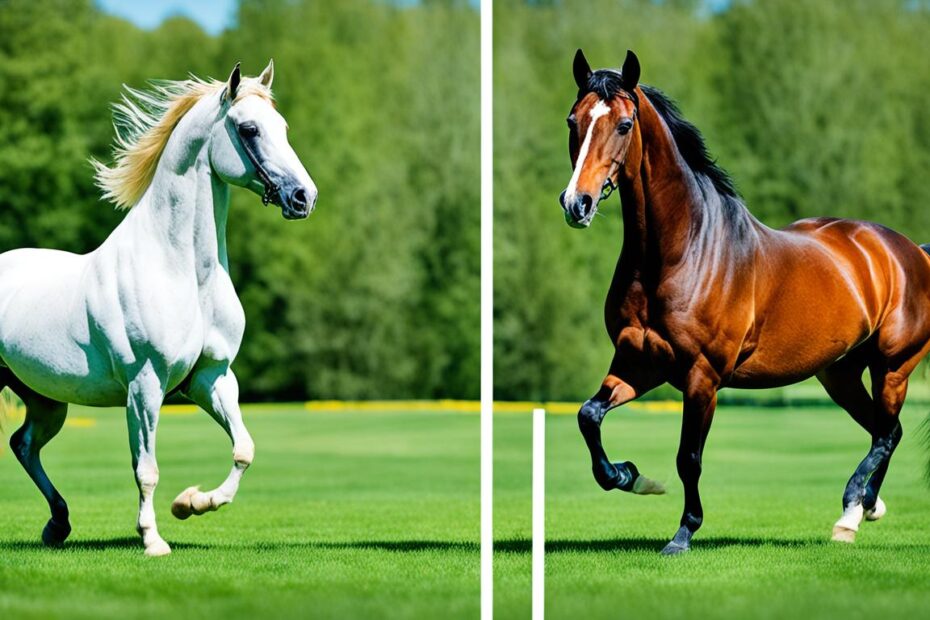
Horses have long captivated our imagination, with their majestic beauty, power, and versatility. As we delve into the world of equine breeding, we uncover a complex tapestry of genetic considerations, each with its own unique implications.
In this comprehensive article, we will explore the intricate balance between inbreeding and outbreeding in horses, examining the benefits and risks associated with each approach.
Key Takeaways
- Inbreeding and outbreeding are two distinct approaches to horse breeding, each with its own advantages and disadvantages.
- Inbreeding can preserve breed characteristics and genetic uniformity, but it also poses risks of genetic disorders and reduced genetic diversity.
- Outbreeding can introduce hybrid vigor and increase genetic diversity, but it may also dilute desired breed traits.
- Careful management of genetic diversity is crucial in maintaining the health and viability of equine populations.
- Understanding the historical context and modern practices of equine breeding is essential for making informed decisions.
Understanding Inbreeding and Outbreeding
When it comes to horse breeding, two primary strategies stand out: inbreeding and outbreeding. These concepts play a crucial role in shaping the genetic makeup of a horse population.
Let’s explore the fundamental differences between inbreeding and outbreeding, and understand their implications for horse owners and breeders.
What is Inbreeding?
Inbreeding is the practice of mating closely related horses, such as siblings, parent-offspring, or first cousins. This breeding strategy aims to increase the coefficient of relationship between the sire and dam, which in turn, enhances the genetic uniformity within the offspring. Inbreeding can be an effective tool for linebreeding and breed preservation, but it also carries the risk of amplifying undesirable traits or genetic disorders.
What is Outbreeding?
On the other hand, outbreeding involves mating horses that are less closely related, often from different bloodlines or even different breeds. This approach introduces genetic diversity into the offspring, which can result in the phenomenon known as hybrid vigor or heterosis.
Outbreeding can help prevent the accumulation of deleterious recessive genes and maintain a healthy, diverse gene pool within the horse population.
Understanding the nuances of inbreeding and outbreeding is crucial for horse breeders who aim to strike a balance between breed preservation and genetic diversity. Careful pedigree analysis and calculating the coefficient of relationship can guide breeders in making informed decisions about their breeding programs.
Historical Perspective on Equine Breeding Practices
The art of equine breeding has a rich and storied history, marked by the evolution of strategies aimed at preserving distinct horse breeds and managing their populations.
From ancient civilizations to modern times, breeders have navigated the complex balance between inbreeding and outbreeding, each approach offering unique benefits and challenges.
Throughout history, equine breeding has played a crucial role in the development and preservation of various horse breeds. In the early days, breeders often relied on inbreeding techniques to establish and maintain the desired traits of a particular breed, prioritizing genetic uniformity and breed preservation.
However, as the understanding of population management and genetics evolved, the industry began to recognize the importance of outbreeding in maintaining genetic diversity and mitigating the risks associated with inbreeding, such as the emergence of genetic disorders.
Today, successful equine breeding programs strike a delicate balance, incorporating both inbreeding and outbreeding strategies to achieve the optimal outcome for the breed, its health, and its longevity.
This historical perspective on equine breeding practices provides valuable insights into the ongoing efforts to preserve beloved horse breeds while ensuring their continued viability and adaptability.

Inbreeding vs. Outbreeding in Horses
When it comes to horse breeding, the choice between inbreeding and outbreeding is a complex one. Both approaches have their unique advantages and disadvantages, and understanding the nuances is crucial for horse owners and breeders.
Inbreeding, the practice of mating closely related individuals, can lead to a distinct level of genetic uniformity within a breed. This can be advantageous for preserving specific desirable traits, such as a particular physical characteristic or temperament.
However, it also carries the risk of genetic disorders and a reduction in genetic diversity, which can have long-term consequences for the overall health and fitness of the herd.
On the other hand, outbreeding, the mating of unrelated or distantly related individuals, can result in a phenomenon known as hybrid vigor or heterosis. This can manifest in improved vigor, fertility, and overall health in the offspring. Outbreeding also helps maintain a higher level of genetic diversity, which is essential for the breed’s resilience and adaptability to changing environments and challenges.
The decision to employ inbreeding or outbreeding in horse breeding programs ultimately depends on the specific goals and priorities of the breeder. A balanced approach that considers both the potential benefits and the inherent risks is often the most prudent path forward.
By understanding the nuances of these breeding strategies, horse owners and breeders can make informed decisions that prioritize the long-term well-being and success of their equine herds.
Benefits of Inbreeding in Horses
While the topic of inbreeding often raises concerns, it can also offer distinct advantages for horse owners and breeders. Two primary benefits of inbreeding include its role in breed preservation and the maintenance of genetic uniformity within a horse population.
Breed Preservation
Inbreeding plays a crucial part in preserving the unique characteristics and traits of established horse breeds. By selectively breeding horses with a high degree of genetic similarity, breeders can ensure that the distinctive features that define a particular breed are passed down from generation to generation. This practice helps to safeguard the long-term viability and integrity of these valuable genetic lineages.
Genetic Uniformity
Inbreeding also contributes to the development of genetic uniformity within a horse population. By mating closely related individuals, breeders can amplify desirable traits, such as conformation, temperament, or performance abilities, across an entire herd.
This level of inbreeding helps to create a more consistent and predictable set of characteristics, which can be highly valued in certain equestrian disciplines or breeding programs.

However, it’s important to strike a balance and understand the potential drawbacks of excessive inbreeding. Careful management and monitoring of the herd’s genetic diversity are crucial to ensuring the long-term health and well-being of the horses.
By leveraging the benefits of inbreeding while mitigating the risks, breeders can optimize their breeding strategies and preserve the unique qualities of their cherished horse breeds.
Risks of Inbreeding in Horses
While inbreeding can offer certain benefits for horse breeding, it also comes with significant risks that breeders must consider. Two primary concerns associated with inbreeding in horses are the increased likelihood of genetic disorders and the reduction of overall genetic diversity within the population.
Genetic Disorders
Inbreeding increases the chances of horses inheriting harmful recessive genes, which can lead to a wide range of genetic disorders.
These disorders can affect various aspects of the horse’s health, including physical traits, immune function, and susceptibility to diseases. Some common genetic disorders observed in inbred horse populations include:
- Skeletal abnormalities, such as dwarfism
- Neurological issues, like wobbler syndrome
- Reproductive problems, including infertility and early embryonic death
- Respiratory conditions, like recurrent airway obstruction
Reduced Genetic Diversity
Inbreeding also reduces the overall genetic diversity within a horse population. As horses with similar genetic backgrounds are bred together, the gene pool becomes increasingly limited. This can lead to a lack of adaptability and resilience, making the population more susceptible to diseases, environmental changes, and other challenges.
A reduction in genetic diversity can also limit the potential for future genetic improvements and the development of desired traits.
To mitigate the risks of inbreeding, horse breeders must carefully monitor their breeding programs and consider the long-term consequences of their decisions. Introducing new genetic material through outbreeding can help increase genetic diversity and reduce the prevalence of genetic disorders.
By striking a balance between the benefits and risks of inbreeding, breeders can ensure the health and resilience of their horse populations.
Benefits of Outbreeding in Horses
While inbreeding can have its advantages, outbreeding in horses presents a range of compelling benefits. Two key advantages of outbreeding are the concept of hybrid vigor and the potential for increased genetic diversity within a horse population.
Hybrid Vigor
Hybrid vigor, also known as heterosis, is the enhanced performance or superior traits exhibited by the offspring of two genetically distinct parents.
When horses from different bloodlines are bred, the resulting foals can display improved characteristics, such as increased size, strength, fertility, and disease resistance. This hybrid vigor can lead to healthier, more resilient horses that excel in various equestrian disciplines.
Increased Genetic Diversity
Outbreeding also contributes to a wider gene pool, which is essential for maintaining the long-term health and adaptability of a horse breed. By introducing new genetic material, outbreeding can help prevent the accumulation of harmful recessive genes and reduce the risk of genetic disorders that can arise from inbreeding.
This increased genetic diversity allows the population to better adapt to changing environmental conditions and evolving breeding goals.
The benefits of outbreeding in horses are clear – from the advantages of hybrid vigor to the preservation of genetic diversity. By carefully managing breeding programs to incorporate both inbreeding and outbreeding strategies, horse breeders can optimize the overall health and performance of their equine populations.
Risks of Outbreeding in Horses
While outbreeding can offer numerous benefits for horses, it is essential to consider the potential risks associated with this breeding strategy. One of the primary concerns is the possibility of introducing undesirable genetic traits, which can have a detrimental impact on the overall health and performance of the animal.
Outbreeding can disrupt the carefully curated gene pool of established breed preservation programs, potentially leading to the loss of unique and valuable characteristics that have been cultivated over generations.
This can be a particular challenge for breeders who are dedicated to maintaining the distinct features and qualities of a specific horse breed.
- Increased risk of genetic disorders: Combining the gene pools of two unrelated horses may increase the likelihood of introducing rare or recessive genetic disorders, which can have serious consequences for the health and well-being of the offspring.
- Disruption of desirable traits: Outbreeding can disrupt the outbreeding of favorable traits that have been selectively bred for over time, leading to a potential decline in the overall quality and performance of the horses.
- Challenges in maintaining breed standards: Preserving the unique characteristics and conformational standards of a specific horse breed can become more difficult when incorporating unrelated bloodlines through outbreeding.
Careful consideration and planning are essential when incorporating outbreeding strategies into a breeding program. Breeders must strike a delicate balance between introducing new genetic diversity and preserving the established traits and characteristics that define a particular horse breed.
Measuring Inbreeding and Outbreeding
Evaluating the levels of inbreeding and outbreeding in horse populations is a crucial step in understanding the potential benefits and risks associated with these breeding practices.
Two key metrics that are commonly used for this purpose are the coefficient of relationship and pedigree analysis.
Coefficient of Relationship
The coefficient of relationship, also known as the inbreeding coefficient, is a numerical value that represents the likelihood of two individuals sharing a common ancestor. This metric ranges from 0 to 1, with 0 indicating no shared ancestry and 1 indicating a completely inbred individual.
By calculating the coefficient of relationship, breeders can assess the degree of genetic relatedness within a herd or breed, which can inform breeding decisions and help maintain genetic diversity.
Pedigree Analysis
Pedigree analysis involves the detailed examination of an individual’s ancestral lineage, tracing back multiple generations to identify patterns of inbreeding and outbreeding.
This technique provides a comprehensive understanding of an animal’s genetic background, allowing breeders to make informed choices about which horses to breed together.
By studying pedigrees, they can identify potential genetic issues, predict the likelihood of desirable traits being passed on, and make strategic decisions to preserve or enhance the overall health and well-being of the herd.
FAQ
What is the difference between inbreeding and outbreeding in horses?
Inbreeding refers to the mating of closely related horses, such as siblings or parent-offspring, to concentrate desired traits. Outbreeding, on the other hand, involves mating horses that are not closely related, often from different bloodlines or breeds, to introduce genetic diversity.
What are the potential benefits of inbreeding in horses?
Inbreeding can help preserve established breeds and maintain desired genetic traits within a population. It can also lead to greater genetic uniformity and the ability to reliably predict certain characteristics in the offspring.
What are the risks of inbreeding in horses?
Inbreeding can increase the likelihood of genetic disorders and reduce overall genetic diversity within a population. This can make the horses more susceptible to diseases and limit their ability to adapt to changing environmental conditions.
How does outbreeding benefit horses?
Outbreeding can introduce hybrid vigor, or heterosis, which can result in improved performance, fertility, and overall health in the offspring. It can also increase the genetic diversity within a horse population.
What are the potential drawbacks of outbreeding in horses?
Outbreeding can make it more challenging to maintain the characteristics of an established breed, as it can introduce undesirable traits. It may also be more difficult to predict the outcomes of breeding programs when introducing new genetic material.
How can breeders measure the level of inbreeding or outbreeding in a horse population?
Breeders can use the coefficient of relationship, which measures the degree of genetic relatedness between two horses, to assess the level of inbreeding or outbreeding within a population. Pedigree analysis is also an important tool for evaluating the breeding history and genetic diversity of a herd.

I’m Fredson Smith, a dedicated researcher at Dincards, passionate about exploring and sharing the diverse world of equines with our readers.