

Equine laminitis, a painful and potentially debilitating condition that causes horse hoof inflammation, affects the hooves of horses and can have severe consequences if left untreated. This condition often results from a combination of factors, including diet, underlying health issues, and environmental factors.
Effective management of equine laminitis requires a comprehensive approach that includes laminitis prevention measures, prompt founder treatment, and long-term care strategies to support the horse’s recovery and prevent recurrence.
This article provides horse owners and caretakers with a comprehensive guide to managing equine laminitis. We will cover essential topics such as understanding the condition, identifying risk factors, the critical role of diet, proper hoof care, exercise recommendations, and the importance of working closely with veterinarians and farriers.
By implementing the strategies outlined in this guide, you can help your horse maintain healthy hooves and reduce the risk of developing this painful condition.
Key Takeaways
- Equine laminitis is a serious hoof condition caused by various factors, including diet and health issues
- Effective management involves prevention, prompt treatment, and long-term care
- Diet, hoof care, and exercise play crucial roles in preventing and managing laminitis
- Working closely with veterinarians and farriers is essential for successful treatment
- Implementing comprehensive prevention and care strategies can help maintain healthy hooves
Understanding Equine Laminitis
Equine laminitis is a painful and potentially devastating condition that affects the sensitive structures within a horse’s hooves. To effectively prevent and manage this condition, it is crucial to have a thorough understanding of what laminitis is, its causes, and how to recognize the signs and symptoms.
What is Laminitis?
Laminitis is an inflammation of the laminae, the delicate soft tissue structures that connect the horse’s hoof wall to the coffin bone. When these tissues become inflamed, they weaken and can cause the coffin bone to rotate or sink within the hoof capsule.
This leads to significant pain, instability, and potential permanent damage to the hoof structure. Equine podiatry plays a vital role in managing and treating laminitis cases.
Causes of Laminitis in Horses
There are several common causes of laminitis in horses, including:
- Overfeeding of high-sugar and high-starch diets
- Equine metabolic syndrome, a condition characterized by insulin resistance and obesity
- Pituitary pars intermedia dysfunction (PPID), also known as Cushing’s disease
- Excessive weight-bearing on one limb due to injury or lameness in another limb
Dietary management for laminitis is essential in preventing and managing the condition, particularly in horses with equine metabolic syndrome.
Recognizing the Signs and Symptoms
Early detection of laminitis is crucial for prompt treatment and better outcomes. Some of the early signs and symptoms to watch for include:
- Reluctance to move or walk
- Increased digital pulse in the affected hooves
- Heat in the hooves
- Characteristic “laminitic stance” where the horse shifts its weight to the hind legs to relieve pressure on the front hooves
- Visible changes in hoof shape or growth rings
If you suspect your horse may be developing laminitis, contact your veterinarian and farrier immediately for a thorough evaluation and appropriate treatment plan.
Risk Factors for Developing Laminitis
Several factors can increase a horse’s susceptibility to developing laminitis, making it essential for horse owners to be aware of these risks and take proactive measures to minimize them. Equine obesity is one of the most significant risk factors, as excess body weight puts additional strain on the hooves and can contribute to insulin resistance, a key factor in the development of laminitis.
Horses with metabolic disorders such as Equine Metabolic Syndrome (EMS) and Pituitary Pars Intermedia Dysfunction (PPID), also known as Cushing’s Disease, are at a higher risk of developing laminitis. These conditions are characterized by insulin resistance, which can lead to an abnormal accumulation of glucose in the bloodstream, ultimately affecting the sensitive laminae in the hooves.
Sudden changes in diet, such as access to lush pastures or excessive grain consumption, can also trigger laminitis. The rapid influx of sugars and starches in the diet can disrupt the delicate balance of gut bacteria, leading to the release of toxins that can damage the hoof laminae. Hoof trauma, such as that caused by overexertion, hard ground, or improper trimming and shoeing, can also increase the risk of laminitis.
Other factors that may contribute to the development of laminitis include:
- Prolonged use of corticosteroids or other medications that can disrupt insulin function
- Systemic infections or illnesses that cause inflammation throughout the body
- Excessive weight-bearing on one limb due to injury or lameness in another limb
- Exposure to black walnut shavings, which contain a toxin that can cause laminitis
By understanding these risk factors and implementing appropriate management strategies, horse owners can significantly reduce the likelihood of their horses developing laminitis. Regular veterinary check-ups, maintaining a balanced diet, and promptly addressing any underlying health conditions are crucial steps in preventing this debilitating condition.
The Role of Diet in Laminitis Prevention
Proper nutrition plays a crucial role in preventing laminitis in horses, especially those at risk. By providing a balanced, forage-based diet and avoiding high-sugar and high-starch feeds, horse owners can help maintain their horse’s hoof health and reduce the likelihood of developing this painful condition.
Proper Nutrition for Horses at Risk
Horses at risk for laminitis require a diet that is low in sugar and starch. Feeding low-sugar hay is essential, as it provides the necessary fiber without the excess carbohydrates that can trigger inflammation in the hooves.
Soaking hay for 30 minutes to an hour before feeding can help reduce its sugar content even further. A balanced, forage-based diet should also include essential vitamins and minerals to support overall health.
Avoiding High-Sugar and High-Starch Feeds
To prevent laminitis, it is crucial to avoid feeding horses high-sugar and high-starch feeds, such as grains, molasses, and lush pasture grass. These feeds can cause a rapid increase in blood insulin levels, leading to insulin resistance and inflammation in the hooves. Instead, opt for slow-feeders or grazing muzzles to limit pasture intake and provide a consistent supply of low-sugar forage throughout the day.
Maintaining a Healthy Body Condition Score
Obesity is a significant risk factor for laminitis in horses. Maintaining a healthy body condition score through regular weight monitoring and adjusting feed intake accordingly can help prevent excessive weight gain. Aim for a body condition score of 4 to 6 on a scale of 1 to 9, where 1 is emaciated and 9 is obese. Work with your veterinarian to develop a feeding plan that meets your horse’s individual needs and helps maintain a healthy weight.
By implementing these dietary strategies and working closely with your veterinarian, you can help reduce your horse’s risk of developing laminitis and promote long-term hoof health.
Managing Equine Laminitis
When a horse is diagnosed with laminitis, swift action is necessary to minimize the damage to the hooves and prevent long-term complications. By working closely with your veterinarian and farrier, you can develop a comprehensive treatment plan tailored to your horse’s specific needs.
Early Detection and Prompt Treatment
The key to successfully managing equine laminitis is early detection and prompt treatment. Owners should be vigilant for signs of laminitis, such as a reluctance to move, increased digital pulse, and heat in the hooves. If you suspect your horse is developing laminitis, contact your veterinarian immediately.
They may use digital radiography and hoof testers to assess the severity of the condition and guide treatment decisions.
Collaborating with Your Veterinarian and Farrier
Managing laminitis requires a team approach, with your veterinarian and farrier working together to address the specific needs of your horse. Your veterinarian will focus on treating the underlying cause of laminitis, such as metabolic disorders or systemic inflammation, while your farrier will work to support the hooves and promote healing through corrective trimming and shoeing techniques.
Pain Management and Anti-Inflammatory Medications
Horses with laminitis often experience significant pain, which can hinder their recovery. Your veterinarian may prescribe NSAIDs to reduce inflammation and manage pain. In addition, cryotherapy, or the application of cold therapy to the hooves, can help alleviate discomfort and minimize tissue damage. Other pain management techniques may include:
- Supportive bandaging or casting of the affected hooves
- Providing soft, supportive bedding such as deep shavings or sand
- Administering medications to improve blood flow to the hooves
By implementing a multi-faceted approach to managing equine laminitis, you can help your horse recover from this debilitating condition and prevent long-term damage to the hooves.
Hoof Care and Farrier Support
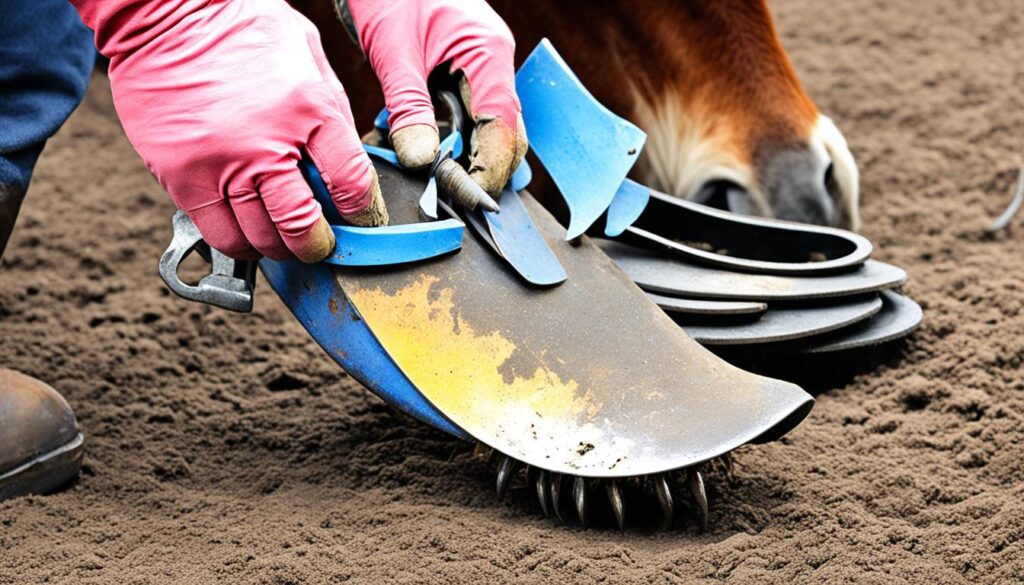
Proper hoof care is essential for managing laminitis and promoting the growth of healthy hoof tissue. Farriers play a critical role in this process, using corrective trimming and shoeing techniques to redistribute weight, provide support, and encourage proper hoof mechanics.
By working closely with your farrier and implementing a comprehensive hoof care plan, you can help your horse recover from foundered hooves and prevent future episodes of laminitis.
Corrective Trimming and Shoeing
Corrective trimming involves carefully reshaping the hoof to promote a more natural angle and balance. This technique helps to redistribute weight evenly across the hoof, reducing pressure on the affected areas and promoting healing.
In some cases, your farrier may recommend special shoes or pads to provide additional sole support and frog support. These devices can help to cushion the hoof and reduce the impact of walking on hard surfaces.
Using Hoof Support Pads and Orthotics
Hoof support pads and orthotics, such as foam pads, impression material, or custom-made shoes, can be invaluable tools in the management of laminitis. These devices help to redistribute weight, reduce pressure on the affected areas, and promote healing. Your farrier may recommend a specific type of pad or orthotic based on your horse’s individual needs and the severity of the laminitis.
In severe cases of laminitis, hoof reconstruction may be necessary to restore the integrity of the hoof capsule and promote the growth of new, healthy hoof tissue. This process involves carefully removing damaged or infected tissue, reshaping the hoof, and applying supportive devices to encourage proper growth.
Hoof reconstruction can be a lengthy and complex process, but it can be highly effective in helping horses recover from even the most severe cases of foundered hooves.
Exercise and Rehabilitation for Laminitic Horses
Exercise and rehabilitation play a crucial role in the recovery process for horses with laminitis. Controlled exercise helps to promote circulation, strengthen the hoof and leg structures, and prevent muscle atrophy. It is essential to work closely with your veterinarian and farrier to develop an appropriate exercise plan tailored to your horse’s specific needs and stage of recovery.
When introducing exercise, it is important to start slowly and gradually increase the duration and intensity over time. Soft footing, such as a sand arena or grass paddock, can help to minimize concussion and stress on the hooves while providing the necessary stimulation for healing. Avoid hard, uneven surfaces that may exacerbate pain and inflammation.
Hydrotherapy, such as underwater treadmills or swimming, can be highly beneficial for horses recovering from laminitis. The buoyancy of the water reduces the weight-bearing load on the hooves, while the resistance helps to build strength and endurance. Hydrotherapy also helps to reduce inflammation and swelling, promoting overall healing.
Gradual conditioning is key to successful rehabilitation. Begin with short sessions of controlled exercise, such as hand-walking or light lunging, and gradually increase the duration and intensity as your horse’s condition improves. Be sure to monitor your horse closely for any signs of discomfort or fatigue, and adjust the exercise plan accordingly.
In addition to controlled exercise and hydrotherapy, other rehabilitation techniques may include:
- Massage therapy to improve circulation and reduce muscle tension
- Stretching exercises to maintain flexibility and range of motion
- Ice therapy to reduce inflammation and pain
- Heat therapy to improve blood flow and promote healing
Remember, the road to recovery for a laminitic horse can be long and challenging, but with patience, dedication, and a well-designed exercise and rehabilitation plan, many horses can return to a comfortable and active life.
Managing Underlying Health Conditions
Effective management of underlying health conditions is crucial for preventing laminitis and promoting long-term hoof health in horses. Two of the most common health issues that can contribute to the development of laminitis are equine metabolic syndrome (EMS) and pituitary pars intermedia dysfunction (PPID).
By addressing these conditions through a combination of dietary management, exercise, and appropriate medical interventions, horse owners can significantly reduce the risk of laminitis in their equine companions.
Equine Metabolic Syndrome and Insulin Resistance
Equine metabolic syndrome is characterized by insulin resistance, obesity, and a predisposition to laminitis. Horses with EMS often require a multi-faceted approach to manage their condition and prevent the onset of laminitis. This may include:
- Implementing a low-sugar, low-starch diet to minimize insulin fluctuations
- Encouraging regular exercise to promote weight loss and improve insulin sensitivity
- Administering medications like metformin to enhance insulin regulation
- Conducting periodic glucose testing to monitor insulin levels and adjust management strategies as needed
Pituitary Pars Intermedia Dysfunction (PPID)
Pituitary pars intermedia dysfunction, also known as equine Cushing’s disease, is a hormonal disorder that primarily affects older horses. PPID can lead to a variety of health issues, including an increased risk of developing laminitis.
Treatment for PPID typically involves the use of medications like pergolide to regulate hormone levels and prevent secondary complications. In addition to pharmaceutical intervention, managing PPID may also require:
- Regular ACTH testing to assess the effectiveness of treatment and make necessary adjustments
- Maintaining a balanced diet and healthy body condition to reduce metabolic stress
- Providing a safe and comfortable environment to minimize stress and promote overall well-being
- Monitoring for signs of laminitis and other PPID-related health concerns
In some cases, horses with PPID may also benefit from the use of levothyroxine, a medication that helps to regulate thyroid function and support metabolic health.
By working closely with a veterinarian to develop a comprehensive management plan, horse owners can effectively control underlying health conditions like EMS and PPID, thereby reducing the risk of laminitis and promoting long-term hoof health.
Environmental Management for Laminitis Prevention
Proper environmental management is essential for preventing laminitis in horses, especially those with a history of the condition or at high risk. By implementing strategies that reduce stress on the hooves and limit the consumption of sugars and starches, horse owners can significantly lower the chances of their equine companions developing this painful and debilitating condition.
Providing Soft, Supportive Footing
One key aspect of environmental management for laminitis prevention is providing horses with soft, supportive footing. This can be achieved through the use of deep bedding, such as straw or shavings, in stalls and shelters.
Additionally, creating paddocks with surfaces like sand, pea gravel, or specialized rubber mats can help to reduce concussion and minimize stress on the hooves when horses are turned out. By offering a forgiving surface that cushions the impact of each step, horse owners can promote healthier hooves and reduce the risk of laminitis.
Limiting Access to Lush Pastures
Another crucial aspect of environmental management is limiting access to lush pastures, particularly during periods of rapid grass growth or after rainfall. When grasses are growing quickly, they tend to be higher in sugars and starches, which can trigger laminitis in susceptible horses. To mitigate this risk, horse owners can employ several strategies:
- Utilizing dry lots, which are enclosed areas with little to no grass, allows horses to move and socialize without the temptation of grazing on rich pasture.
- Implementing track systems, which involve creating a network of pathways around the perimeter of a pasture, encourages horses to move more and graze less.
- Designating sacrifice areas, which are small paddocks or pens with minimal vegetation, can be used to limit pasture access during high-risk periods.
- Practicing rotational grazing, which involves dividing pastures into smaller sections and rotating horses between them, can help to manage grass growth and minimize the risk of overgrazing.
By carefully controlling access to lush pastures and employing these management techniques, horse owners can significantly reduce the likelihood of their horses developing laminitis as a result of excessive sugar and starch intake.
Dietary Supplements for Hoof Health
When it comes to promoting hoof health and supporting the recovery process in horses with laminitis, certain dietary supplements can play a crucial role. These supplements provide essential nutrients that contribute to the growth and maintenance of healthy hoof tissue.
One of the most well-known supplements for hoof health is biotin. This B-vitamin has been extensively studied for its ability to improve hoof wall quality and growth rate when supplemented at appropriate levels. Biotin is involved in the production of keratin, the primary protein component of the hoof wall, and it helps to strengthen and maintain the integrity of the hoof capsule.
In addition to biotin, other nutrients such as the amino acids methionine and lysine, as well as the minerals zinc and copper, are essential for optimal hoof health. Methionine and lysine are necessary for the synthesis of keratin and collagen, while zinc and copper are involved in the formation of strong, resilient hoof horn. These nutrients work together to promote the growth of healthy hoof tissue and support the recovery process in horses with laminitis.
When selecting dietary supplements for your horse, it is important to choose high-quality products that are specifically formulated for equine use. Look for supplements that contain appropriate levels of biotin, methionine, lysine, zinc, and copper, as well as other supportive ingredients such as omega-3 fatty acids and antioxidants.
Always consult with your veterinarian or an equine nutritionist to determine the best supplementation plan for your horse’s individual needs.
By incorporating targeted dietary supplements into your horse’s overall management plan, you can help to promote strong, healthy hooves and support the recovery process in cases of laminitis. Remember, a holistic approach that includes proper nutrition, hoof care, and veterinary support is essential for the best possible outcomes in horses with this challenging condition.
The Importance of Regular Veterinary Check-Ups
Regular veterinary check-ups play a crucial role in maintaining the health and well-being of horses, particularly those with a history of laminitis or at high risk for developing the condition. These check-ups provide an opportunity for early detection, prevention, and management of various health issues that may contribute to the development of laminitis.
Monitoring Insulin and ACTH Levels
During routine check-ups, veterinarians may perform insulin resistance testing to assess the horse’s metabolic status. Elevated insulin levels can be an indicator of increased risk for laminitis, as insulin resistance is a common underlying factor in many cases. By monitoring insulin levels, veterinarians can identify potential issues early on and implement appropriate management strategies to reduce the risk of laminitis.
Additionally, veterinarians may test for abnormal ACTH levels, which can be a sign of Pituitary Pars Intermedia Dysfunction (PPID), also known as Equine Cushing’s Disease. Horses with PPID are more susceptible to developing laminitis due to hormonal imbalances and associated metabolic changes. Regular monitoring of ACTH levels can help detect PPID in its early stages, allowing for prompt treatment and management to minimize the risk of laminitis.
Assessing Overall Health and Body Condition
During veterinary check-ups, a thorough assessment of the horse’s overall health and body condition is essential. This includes evaluating the horse’s weight, body condition score, and any signs of obesity or regional adiposity, such as cresty neck or fatty deposits. Overweight horses and those with high body condition scores are at increased risk for developing laminitis.
Veterinarians may also perform a comprehensive physical examination, including dental exams, to identify any underlying health issues that may contribute to the development of laminitis. Regular vaccinations and deworming are also important aspects of preventive care that can help maintain a horse’s overall health and reduce the risk of laminitis associated with systemic infections or parasitic burdens.
By working closely with a veterinarian and scheduling regular check-ups, horse owners can proactively monitor their horse’s health, detect potential risk factors for laminitis, and implement appropriate management strategies to prevent or mitigate the condition.
Owner Education and Awareness
Educating horse owners about the risk factors, early warning signs, and management strategies for laminitis is crucial for preventing the condition and promoting long-term hoof health. By understanding the common causes of laminitis, such as overfeeding, metabolic disorders, and environmental factors, owners can take proactive steps to minimize these risks in their horse’s management plan.
Recognizing the early warning signs of laminitis is essential for prompt intervention and treatment. Owners should be aware of the following signs:
- Increased digital pulse in the hooves
- Heat in the hooves
- Reluctance to move or shift weight
- Abnormal stance or posture
- Visible rings on the hoof wall
By identifying these early warning signs, owners can quickly contact their veterinarian and farrier to implement appropriate management strategies and treatment plans. This early intervention can significantly improve the chances of a successful recovery and prevent the condition from progressing to a more severe stage.
Effective management strategies for laminitis prevention include maintaining a balanced diet, avoiding high-sugar and high-starch feeds, and ensuring proper hoof care and regular exercise. Owners should work closely with their veterinarian and farrier to develop a comprehensive laminitis prevention plan tailored to their horse’s individual needs and risk factors.
Staying informed and educated about laminitis risk factors, early warning signs, and management strategies empowers horse owners to take a proactive approach to their horse’s hoof health and overall well-being.
By prioritizing education and awareness, owners can play a crucial role in reducing the incidence of laminitis and ensuring the best possible outcomes for their equine companions.
Advancements in Laminitis Research and Treatment
In recent years, significant progress has been made in the field of laminitis research, offering new hope for horses suffering from this debilitating condition. Researchers and veterinarians have been working tirelessly to develop innovative treatment options and diagnostic techniques that can help improve the outcomes for affected horses and prevent the onset of laminitis in at-risk individuals.
Stem Cell Therapy and Regenerative Medicine
One promising area of research is the use of stem cell therapy and regenerative medicine to promote healing and reduce inflammation in horses with laminitis. Platelet-rich plasma (PRP) therapy, which involves injecting a concentrated mix of the horse’s own platelets and growth factors into the affected area, has shown potential in stimulating tissue repair and reducing pain.
Similarly, mesenchymal stem cells derived from the horse’s own fat or bone marrow can be used to regenerate damaged hoof tissues and modulate the inflammatory response.
While these regenerative therapies are still in the early stages of research, initial studies have yielded encouraging results, suggesting that they may become valuable tools in the management of equine laminitis in the future.
Innovative Diagnostic Techniques
Advancements in diagnostic imaging have also played a crucial role in improving the prevention, early detection, and treatment of laminitis. Infrared thermography, a non-invasive technique that measures heat patterns in the hoof, can help identify areas of inflammation and increased blood flow, allowing for early intervention. MRI and CT scans provide detailed images of the hoof structures, enabling veterinarians to assess the extent of damage and guide treatment decisions.
By utilizing these innovative diagnostic techniques, veterinarians can better monitor the progression of laminitis, adjust treatment plans as needed, and ultimately improve the chances of a successful recovery for affected horses. As research continues to evolve, it is expected that new and even more advanced diagnostic tools will become available, further enhancing our ability to combat this complex and challenging condition.
Success Stories: Horses Recovering from Laminitis
Despite the serious nature of laminitis, many horses can make a successful recovery with proper treatment, management, and dedication from their owners and caregivers. These success stories provide hope and inspiration for those facing this challenging condition, highlighting the importance of a comprehensive, individualized approach to treatment and rehabilitation.
One such success story is that of a 12-year-old Arabian gelding named Samson. Diagnosed with acute laminitis, Samson underwent an intensive rehabilitation program that included corrective trimming, hoof support pads, and a carefully managed diet.
With the help of his dedicated owner and a team of veterinarians and farriers, Samson slowly regained his strength and mobility. After several months of rehabilitation, he was able to return to light riding and enjoy a good quality of life.
Another inspiring story is that of a 16-year-old Quarter Horse mare named Bella. Bella developed chronic laminitis as a result of insulin resistance and obesity. Her owners worked closely with their veterinarian to develop a comprehensive management plan that included dietary changes, weight loss, and a customized hoof care regimen.
Through consistent effort and patience, Bella’s laminitis symptoms gradually improved, and she was able to enjoy comfortable pasture turnout and even participate in light groundwork exercises.
These success stories demonstrate that, while the road to recovery may be long and difficult, horses that overcome laminitis can go on to enjoy a good quality of life. With the right combination of veterinary care, farrier support, and owner dedication, many horses can return to their previous level of work or performance.
The key is to approach each case individually, tailoring treatment and management strategies to the specific needs of the horse and continuously monitoring progress to ensure the best possible outcome.
Building a Laminitis Prevention Plan for Your Horse
Developing a comprehensive laminitis prevention plan is crucial for horses at risk of developing this debilitating condition. The key to success lies in working closely with your veterinarian and farrier to create a tailored approach that addresses your horse’s unique needs and risk factors.
Working with Your Veterinarian and Farrier
Your veterinarian and farrier are essential partners in developing and implementing your horse’s laminitis prevention plan. Schedule regular check-ups and hoof care appointments to ensure that your horse’s health and hooves are closely monitored. During these visits, discuss any concerns you may have and seek their expert advice on nutrition, exercise, and management strategies.
Implementing Management and Dietary Changes
Based on your veterinarian’s recommendations, implement necessary changes to your horse’s diet and management routine. This may include:
- Conducting a thorough nutrient analysis of your horse’s feed and hay to ensure a balanced diet
- Limiting access to lush pastures, particularly during high-risk periods
- Providing a supportive and comfortable environment with soft footing
- Establishing a regular hoof care schedule with your farrier to maintain optimal hoof health
Monitoring Progress and Adjusting as Needed
Regularly assess your horse’s progress and be prepared to make adjustments to the prevention plan as needed. Keep a close eye on your horse’s body condition, hoof health, and overall well-being. If you notice any changes or concerns, promptly contact your veterinarian for guidance. Remember, early intervention is key to preventing the onset or progression of laminitis.
By working closely with your veterinarian and farrier, implementing necessary management and dietary changes, and continuously monitoring your horse’s progress, you can significantly reduce the risk of laminitis and help keep your horse healthy and sound for years to come.
Conclusion
Managing equine laminitis requires a comprehensive approach that focuses on both prevention and treatment. By understanding the risk factors, causes, and early signs of this painful condition, horse owners and caregivers can take proactive steps to promote hoof health and minimize the occurrence of laminitis.
Preventive care strategies, such as maintaining a balanced diet, avoiding high-sugar and high-starch feeds, and providing regular exercise, play a crucial role in reducing the risk of laminitis and supporting overall horse welfare.
When laminitis does occur, prompt intervention and individualized treatment plans are essential for the best possible outcomes. Working closely with veterinarians and farriers, horse owners can implement targeted therapies, such as corrective trimming and shoeing, pain management, and anti-inflammatory medications. Rehabilitation and exercise programs tailored to each horse’s needs can aid in recovery and prevent future episodes.
Ongoing research continues to advance our understanding of equine laminitis and provide new insights into prevention and treatment options. By staying informed about the latest developments, collaborating with equine professionals, and remaining committed to education and awareness, horse owners can effectively manage laminitis and help their horses thrive.
With dedication and a multi-faceted approach, it is possible to optimize hoof health, enhance horse welfare, and minimize the impact of this challenging condition.
FAQ
What is equine laminitis?
Equine laminitis is a painful and potentially debilitating condition that affects the hooves of horses, often resulting from a combination of factors such as diet, underlying health conditions, and environmental factors. It involves inflammation of the sensitive laminae, the soft tissue structures that connect the horse’s hoof wall to the coffin bone.
What are the signs and symptoms of laminitis in horses?
Early signs of laminitis include a reluctance to move, increased digital pulse, heat in the hooves, and a characteristic “laminitic stance” where the horse shifts its weight to the hind legs to relieve pressure on the front hooves. Other symptoms may include lameness, separation of the hoof wall from the sole, and visible changes in hoof growth.
How can I prevent my horse from developing laminitis?
Preventing laminitis involves managing risk factors such as diet, body condition, and underlying health conditions. Feeding a low-sugar, low-starch diet, maintaining a healthy body condition score, and providing regular hoof care are essential. Limiting access to lush pastures and managing environmental factors, such as providing soft, supportive footing, can also help reduce the risk of laminitis.
What should I do if I suspect my horse has laminitis?
If you suspect your horse has laminitis, contact your veterinarian immediately. Early detection and prompt treatment are critical for managing the condition and preventing long-term damage to the hooves. Your veterinarian will work with you and your farrier to develop an appropriate treatment plan, which may include pain management, dietary changes, and corrective trimming or shoeing.
How can I manage my horse’s diet to reduce the risk of laminitis?
Managing your horse’s diet is crucial for preventing laminitis. Feeding a low-sugar, low-starch diet, using slow-feeders or grazing muzzles to limit pasture intake, and soaking hay to reduce sugar content can help. Providing a balanced, forage-based diet with essential vitamins and minerals is also important. Work with an equine nutritionist to develop a diet plan tailored to your horse’s individual needs.
What role does my farrier play in managing laminitis?
Farriers play a critical role in managing laminitis by providing corrective trimming and shoeing to redistribute weight, provide support, and encourage proper hoof mechanics. They may use techniques such as frog support pads, sole support, or specialized shoes to help reduce pressure on affected areas and promote healing. Collaborating closely with your veterinarian and farrier is essential for developing an effective treatment plan.

I’m Fredson Smith, a dedicated researcher at Dincards, passionate about exploring and sharing the diverse world of equines with our readers.