
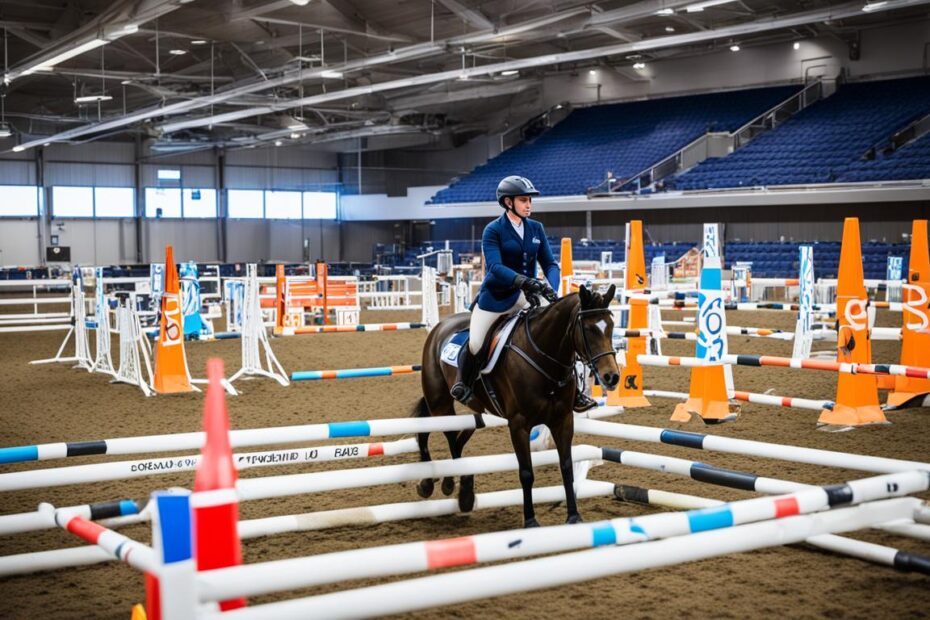
In the thrilling world of equestrian events, rider and horse safety are paramount. As spectators eagerly await the graceful displays of equine athleticism, event organizers, riders, and stable staff must prioritize the implementation of comprehensive safety protocols.
This guide delves into the essential measures that create a secure and enjoyable environment for all participants, from the competition arena to the stables.
Key Takeaways
- Equestrian event safety protocols are crucial for protecting riders and horses during competitions.
- Minimizing risks and creating a secure environment are top priorities for event organizers.
- Rider safety guidelines, arena safety measures, and horse welfare practices are vital components of these protocols.
- Emergency preparedness and continuous training are essential for effective implementation of safety standards.
- Collaboration between event organizers, riders, and stable staff is key to ensuring the successful execution of safety protocols.
Understanding the Importance of Equestrian Event Safety Protocols
Equestrian events, whether horse shows, competitions, or races, inherently carry certain risks for both riders and horses. Implementing comprehensive horse show regulations and rider safety guidelines is crucial to minimizing these risks and ensuring the well-being of all participants.
Moreover, these protocols help create a secure and enjoyable environment, fostering a positive experience for riders, horses, and spectators alike.
Minimizing Risks for Riders and Horses
Equestrian events involve high-speed activities, unpredictable animal behavior, and complex interactions between humans and animals. By having a robust set of safety protocols in place, event organizers can significantly reduce the likelihood of accidents and injuries. These protocols may include:
- Mandatory use of protective gear for riders, such as helmets, safety vests, and sturdy boots
- Proper maintenance and inspection of competition equipment, including saddles, reins, and other tack
- Strict guidelines for horse health and fitness, including veterinary checks and quarantine procedures
- Comprehensive emergency response plans to address accidents or medical emergencies
Creating a Secure and Enjoyable Environment
In addition to minimizing risks, safety protocols in equestrian events also contribute to creating a secure and enjoyable environment for all participants. This includes:
- Implementing crowd control measures to ensure the safety of spectators
- Establishing clear communication channels between event organizers, participants, and emergency services
- Providing adequate facilities, such as well-maintained arenas, stables, and warm-up areas
- Enforcing competition risk mitigation strategies to maintain a fair and organized competition
By prioritizing safety and security, event organizers can foster an atmosphere of trust and confidence, allowing riders, horses, and spectators to fully immerse themselves in the excitement and camaraderie of the equestrian experience.
Equestrian Event Safety Protocols: A Comprehensive Overview
Ensuring the safety and well-being of both riders and horses is paramount in the world of equestrian events. A comprehensive set of safety protocols should be in place to mitigate risks and create a secure, enjoyable environment for all participants.
These protocols cover a wide range of areas, from arena design and maintenance to emergency response procedures, horse welfare, and spectator safety measures.
At the heart of Equestrian Event Safety Protocols are detailed regulations and guidelines that event organizers must adhere to. These guidelines typically include:
- Proper arena design and surface maintenance to prevent hazards
- Emergency response plans and first aid provisions
- Strict rules regarding horse welfare and stable management
- Comprehensive crowd control and spectator safety measures
- Clear protocols for handling equine medical emergencies
By implementing these horse show regulations, event organizers can effectively mitigate the risks associated with competition risk mitigation and create a safe, enjoyable environment for all participants.
Adherence to these safety protocols is not only a moral obligation but also a legal requirement in many regions. Event organizers who neglect to prioritize safety can face severe consequences, including liability claims, fines, and the loss of their event’s sanctioning or certification.
Ultimately, the comprehensive Equestrian Event Safety Protocols are designed to protect the wellbeing of both riders and horses, ensuring that everyone can participate in these thrilling competitions with confidence and peace of mind.
Rider Safety Guidelines: Protective Gear and Best Practices
Ensuring the safety of riders is a top priority in equestrian event safety protocols. Riders must be equipped with the proper protective gear to minimize the risk of injuries during competitions and training sessions.
Additionally, adhering to safe riding techniques and etiquette can significantly contribute to a secure and enjoyable environment for both riders and their equine partners.
Essential Protective Equipment for Riders
Riders should wear the following essential protective gear to safeguard themselves:
- ASTM/SEI-certified riding helmets that meet safety standards and provide crucial head protection in the event of a fall
- Safety vests designed to absorb the impact of a fall and protect the rider’s torso
- Appropriate footwear with sturdy soles and a low heel to maintain a secure grip in the stirrups
- Gloves to improve grip and control of the reins
- Knee and elbow pads for additional protection during training and competitions
Safe Riding Techniques and Etiquette
In addition to wearing the right protective gear, riders should adhere to the following safe riding techniques and etiquette:
- Maintain a balanced and secure seat to stay in control of the horse at all times
- Ride within their skill level and the horse’s capabilities to avoid dangerous situations
- Communicate clearly with other riders to avoid collisions or interference during competitions
- Follow the designated course or arena patterns to ensure the safety of all participants
- Respect the right of way and yield to riders in a more vulnerable position
By equipping riders with the necessary protective gear and instilling safe riding practices, equestrian event organizers can create a secure and enjoyable environment for all participants. Adhering to these guidelines is essential for minimizing the risk of accidents and ensuring the overall safety and well-being of both riders and horses.
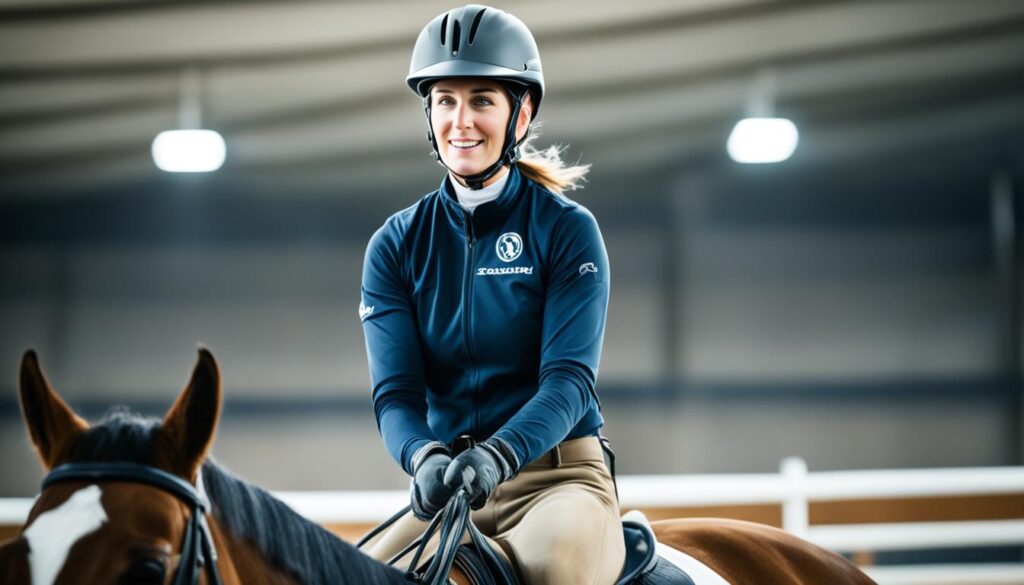
Arena Safety Measures: Ensuring a Secure Competition Environment
The design and maintenance of the competition arena are paramount in ensuring the overall safety of an equestrian event.
From the layout and construction to the emergency preparedness plans, every aspect of the arena plays a crucial role in creating a secure environment for both riders and horses.
Arena Design and Maintenance Standards
Equestrian arenas must adhere to strict design and maintenance standards to minimize risks and hazards. This includes the selection of suitable footing materials, proper drainage systems, and the implementation of safety features like fence height, padding, and visibility markers.
Ongoing arena maintenance, such as regular grooming and repair, is essential to maintain optimal conditions throughout the event.
Emergency Response Preparedness
In the event of an incident, quick and effective emergency response can be the difference between a minor incident and a potentially catastrophic situation. Equestrian event organizers must have comprehensive emergency response plans in place, including clear protocols for medical emergencies, horse injuries, and evacuations. Regular training and drills for event staff and volunteers ensure seamless execution of these plans when needed.
| Arena Safety Measure | Importance |
|---|---|
| Footing Maintenance | Ensures consistent, safe footing for horses and riders, reducing the risk of injuries from slips, trips, or falls. |
| Fence Height and Padding | Protects riders and horses from potential collisions or impact, minimizing the severity of any accidents. |
| Emergency Response Plan | Enables a swift and coordinated response to medical emergencies, horse injuries, or other critical incidents, ultimately safeguarding the wellbeing of all participants. |
By prioritizing arena safety measures, event organizers can create a secure and enjoyable competition environment for both riders and horses, minimizing the risks and ensuring the success of the equestrian event.
Horse Welfare and Stable Management Practices
Ensuring the well-being of the horses participating in equestrian events is a top priority. Proper stable management practices play a crucial role in maintaining the health and safety of these magnificent animals. From stall conditions to feeding and grooming, every aspect of stable management must be carefully considered.
Equine emergency preparedness is also a vital component of responsible stable management. In the event of an unforeseen incident, having a well-developed emergency response plan can make all the difference.
This includes providing immediate first aid, securing veterinary support, and implementing efficient evacuation procedures to safeguard the horses.
Stall Conditions and Feeding
Comfortable and clean stalls are essential for the horses’ physical and mental well-being. Regularly inspecting the stalls, ensuring adequate bedding, and maintaining proper ventilation can help create a stress-free environment.
Equally important is a balanced feeding regimen, tailored to the individual needs of each horse, to ensure they receive the necessary nutrients to thrive.
Grooming and Veterinary Care
Proper grooming practices, such as regular brushing and hoof care, not only enhance the horses’ appearance but also contribute to their overall health and well-being. Additionally, having a dedicated veterinary team on-site during events is crucial for addressing any medical concerns or emergencies that may arise.
Evacuation and Incident Response
- Establish a comprehensive emergency evacuation plan to ensure the safe and efficient relocation of horses in the event of a crisis.
- Train staff and volunteers on emergency response procedures, including first aid and incident management.
- Collaborate with local veterinary clinics and emergency services to ensure a coordinated and effective response to any equine-related incidents.
By prioritizing horse welfare and implementing robust stable management practices, equestrian event organizers can create a safe and nurturing environment for both the riders and their equine partners.
This commitment to equine well-being not only enhances the overall event experience but also demonstrates the sport’s dedication to the highest standards of animal care.
Risk Mitigation Strategies for Competition Organizers
As the organizers of equestrian events, the responsibility to ensure the safety and well-being of all participants, including riders, horses, and spectators, lies squarely on your shoulders. Implementing effective competition risk mitigation strategies is crucial to creating a secure and enjoyable environment for everyone involved.
Liability and Insurance Considerations
One of the primary concerns for competition organizers is addressing liability and insurance requirements. Ensuring that you have the appropriate coverage in place can help protect your event and your participants from potential legal and financial risks.
Take the time to thoroughly review your insurance policies and consult with legal experts to understand the specific liability concerns associated with your event.
Crowd Management and Spectator Safety
Effective crowd management and spectator safety measures are essential for maintaining control and minimizing risks during your equestrian event. Develop a comprehensive crowd control plan that includes clear signage, well-defined spectator areas, and adequate security personnel.
Additionally, prioritize the safety of your spectators by ensuring that they have a clear view of the competition without interfering with the riders or horses.
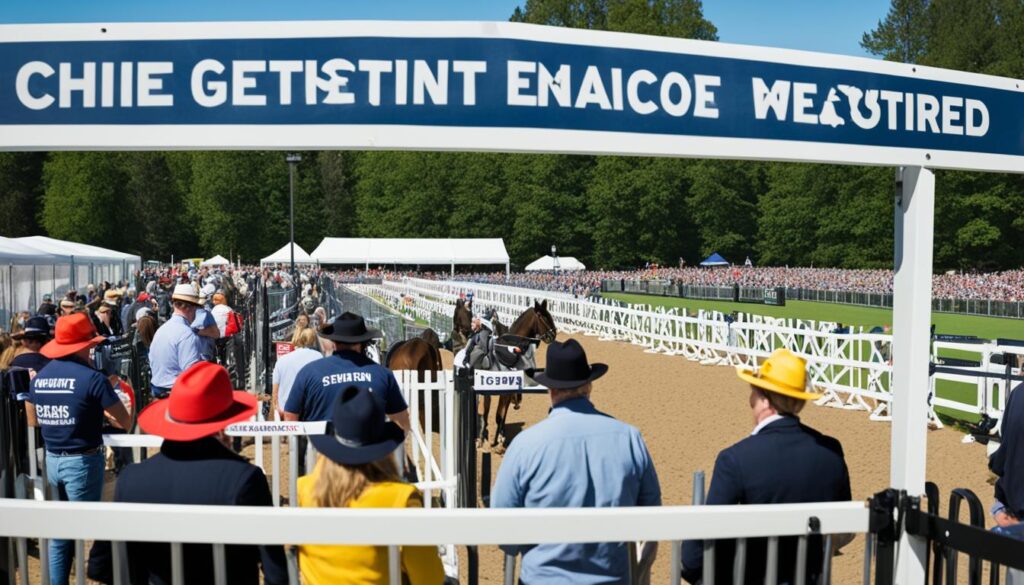
By implementing these risk mitigation strategies, you can create a secure and enjoyable environment for all participants and spectators at your equestrian event. Remember, the safety of your event should always be the top priority.
Equine Emergency Preparedness: Handling Critical Situations
Equestrian events require meticulous planning and preparation to ensure the safety of both riders and their equine companions. A critical aspect of this preparedness is the ability to effectively handle emergency situations that may arise during the event. At the heart of this effort lies the importance of first aid and veterinary support, as well as the development of comprehensive evacuation and incident response plans.
First Aid and Veterinary Support
Equestrian events must have a dedicated team of trained professionals ready to provide immediate first aid and veterinary care in the event of an injury or health emergency involving a horse. This team should include licensed veterinarians, experienced equine first responders, and dedicated horse handlers.
They must be equipped with the necessary medical supplies and equipment to stabilize and treat any equine medical emergency on-site.
Evacuation and Incident Response Plans
In addition to first aid and veterinary support, equestrian event organizers must have well-rehearsed evacuation and incident response plans in place. These plans should outline clear protocols for safely evacuating horses and their handlers in the event of a natural disaster, fire, or other critical incident.
The plans should also include communication strategies to ensure all participants are informed and able to respond quickly and effectively.
| Equine Emergency Preparedness Measures | Description |
|---|---|
| First Aid and Veterinary Support | Dedicated team of licensed veterinarians, equine first responders, and trained horse handlers with necessary medical equipment and supplies |
| Evacuation and Incident Response Plans | Detailed protocols for safely evacuating horses and handlers during emergencies, with effective communication strategies |
By prioritizing equine emergency preparedness, equestrian event organizers can create a safer and more secure environment for both riders and their horses, ensuring that critical situations are handled with the utmost care and professionalism.
Training and Education: Promoting Safety Awareness
In the world of equestrian events, effective training and education are the cornerstones of ensuring safety for both riders and their equine partners.
From comprehensive rider and horse handler training programs to ongoing education and certification, maintaining a strong focus on safety awareness is crucial for creating a secure and enjoyable event environment.
Rider and Horse Handler Training Programs
Comprehensive training programs for riders and horse handlers are essential for promoting safety awareness. These programs cover a wide range of topics, including proper riding techniques, horse handling protocols, and emergency response procedures.
By equipping participants with the knowledge and skills necessary to navigate equestrian events safely, these training initiatives help minimize the risks associated with the sport.
Ongoing Education and Certification
Maintaining safety awareness is an ongoing process, and that’s why continuous education and certification are critical. Equestrian event organizers and participants must stay up-to-date with the latest safety protocols, equipment recommendations, and industry best practices.
Regular training sessions, workshops, and certification programs ensure that everyone involved in the event is prepared to respond effectively to any potential challenges or emergencies.
| Training and Certification Offerings | Frequency | Participants |
|---|---|---|
| Rider Safety Workshops | Quarterly | Riders, Trainers |
| Horse Handler Certification Program | Annually | Horse Handlers, Grooms |
| Emergency Response Training | Bi-Annually | Event Staff, Volunteers |
By prioritizing comprehensive training programs and ongoing education, equestrian event organizers can foster a culture of safety awareness that benefits all participants, from riders and horse handlers to event staff and spectators. This commitment to safety ensures that everyone can fully enjoy the thrill and excitement of the equestrian experience.
Conclusion
In the realm of equestrian events, the implementation of comprehensive safety protocols is paramount for ensuring the well-being of riders, horses, and spectators. By understanding and adhering to these protocols, event organizers, riders, and horse handlers can create a secure and enjoyable environment that prioritizes the safety and welfare of all participants.
Continuous education, training, and a proactive approach to risk mitigation are essential for maintaining the highest standards of safety in equestrian competitions.
From the essential protective gear for riders to the meticulous design and maintenance of competition arenas, every aspect of the event must be meticulously planned and executed to minimize the risks and provide a safe haven for the equestrian community.
As we look towards the future of equestrian events, it is clear that the Equestrian Event Safety Protocols will continue to play a pivotal role in shaping a secure and enjoyable environment for rider and horse safety.
By embracing these protocols and fostering a culture of safety awareness, the equestrian industry can flourish, inspiring generations of enthusiasts to pursue their passion for this thrilling sport.
FAQ
What are the key components of equestrian event safety protocols?
Equestrian event safety protocols cover a wide range of areas, including arena design and maintenance, emergency response procedures, horse welfare, stable management practices, competition risk mitigation, and rider safety guidelines.
Why is it important to implement comprehensive safety protocols at equestrian events?
Implementing comprehensive safety protocols is crucial for minimizing risks and ensuring the well-being of riders, horses, and spectators. These protocols help create a secure and enjoyable environment for all participants.
What protective gear should riders wear to ensure their safety?
Essential protective gear for riders includes approved helmets, safety vests, and appropriate footwear. Wearing the proper protective equipment is a crucial component of rider safety guidelines.
How can event organizers ensure the arena is safe for competition?
Arena safety measures include adherence to design and maintenance standards, as well as the implementation of emergency response preparedness plans to effectively handle any incidents that may occur during the event.
What are the best practices for stable management and horse welfare?
Stable management practices that promote horse welfare include maintaining proper stall conditions, feeding, grooming, and equine emergency preparedness, such as first aid and veterinary support.
How can competition organizers mitigate risks and ensure spectator safety?
Competition organizers must address liability and insurance considerations, as well as implement effective crowd management and spectator safety measures to protect all participants, including riders, horses, and spectators.
What steps can be taken to ensure equine emergency preparedness?
Equine emergency preparedness involves having first aid and veterinary support on-site, as well as comprehensive evacuation and incident response plans to handle critical situations involving the horses.
How can training and education promote safety awareness at equestrian events?
Comprehensive training programs for riders and horse handlers, along with ongoing education and certification, are essential for ensuring that all participants understand and adhere to the established safety protocols.

I’m Fredson Smith, a dedicated researcher at Dincards, passionate about exploring and sharing the diverse world of equines with our readers.