
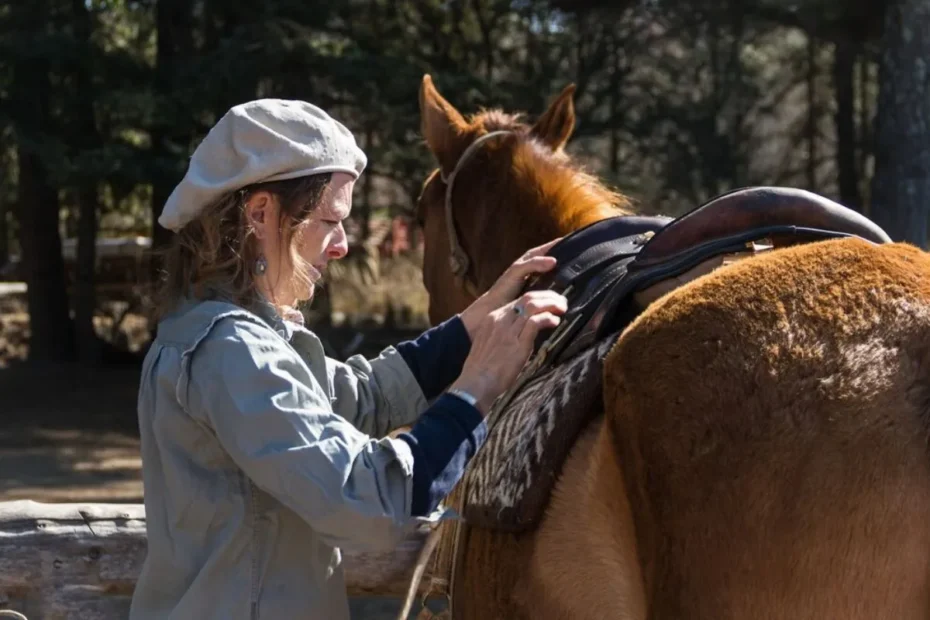
Horses, much like humans, can face a variety of skin conditions that can cause discomfort, irritation, and even more serious health concerns if left untreated.
This article delves into the world of equine dermatological conditions, exploring the common skin issues that horse owners may encounter, as well as the effective treatments and management strategies to keep their equine companions’ skin healthy and happy.
Key Takeaways
- Equine dermatological conditions cover a wide range of skin issues, including allergies, dermatitis, fungal infections, parasitic infestations, and more.
- Recognizing the signs and symptoms of these conditions is crucial for early detection and effective treatment.
- Identifying the underlying causes, such as allergens, environmental factors, or parasites, is essential for managing equine skin conditions.
- Proper treatment options, including medication, topical therapies, and management strategies, can help alleviate discomfort and prevent further complications.
- Maintaining good skin health is vital for the overall well-being of horses, as it protects them from environmental stressors and potential infections.
Understanding Equine Dermatological Conditions
Equine dermatological conditions are a diverse range of skin issues that can affect horses. To better comprehend these conditions, it’s crucial to explore the common causes and risk factors, as well as recognize the signs and symptoms that horse owners should be aware of.
Common Causes and Risk Factors
Equine skin conditions can stem from a variety of factors, including allergies, parasitic infestations, fungal infections, and environmental exposures. Allergens such as pollen, insect bites, or certain feed ingredients can trigger inflammatory responses in a horse’s skin. Additionally, external parasites like mites or lice can burrow into the skin, leading to irritation and discomfort.
Certain horse breeds or individuals may be more predisposed to developing skin problems due to genetic factors or underlying health conditions. Environmental factors, such as exposure to harsh weather, poor grooming practices, or inadequate nutrition, can also contribute to the risk of equine skin issues.
Recognizing the Signs and Symptoms
Owners should be vigilant in monitoring their horses for signs of skin problems, which can include:
- Itching and scratching
- Skin redness, inflammation, or irritation
- Hair loss or patches of missing coat
- Crusty or scaly skin lesions
- Excessive dandruff or flaky skin
Early detection and intervention are crucial for effectively managing equine dermatological conditions and preventing further complications.
By understanding the common causes and recognizing the signs and symptoms, horse owners can take proactive steps to ensure the health and well-being of their equine companions.
Equine Allergies: A Challenging Condition
Equine allergies can be a frustrating and complex issue for horse owners to navigate. These allergic reactions can manifest in various ways, from skin irritation to respiratory distress. Understanding the common allergens and triggers that can affect horses is the first step in effectively managing this condition.
Identifying Allergens and Triggers
Horses can be susceptible to a range of environmental allergens, including pollen, dust, and mold. Identifying equine allergens is crucial for developing a tailored management plan. Common triggers for equine allergies may include:
- Certain types of hay or bedding
- Insect bites or stings
- Certain medications or vaccines
- Exposure to certain chemicals or grooming products
Managing Equine Allergies
Effective management of equine allergies involves a multifaceted approach. This may include:
- Avoiding or minimizing exposure to known allergens and triggers
- Implementing appropriate treatment for equine allergic reactions, such as antihistamines or corticosteroids, under the guidance of a veterinarian
- Promoting a clean, well-ventilated living environment for the horse
- Regularly grooming and bathing the horse to remove any allergens
By working closely with a knowledgeable veterinarian, horse owners can develop a comprehensive plan to manage equine allergies and provide their horses with the best possible care.
Equine Dermatitis: Inflammation and Irritation
Equine dermatitis is a common skin condition that can cause considerable discomfort and distress for our equine companions. This inflammation and irritation of the skin can manifest in various ways, ranging from redness and itching to scaling and crusting. Understanding the underlying causes of equine dermatitis is crucial for effective management and treatment.
One of the primary causes of equine dermatitis is allergies. Horses can be sensitive to a variety of environmental allergens, such as pollen, dust, or certain materials, triggering an immune response that leads to skin inflammation. Additionally, infections, both bacterial and fungal, can also contribute to the development of equine dermatitis.
Environmental factors, such as exposure to irritants or changes in temperature and humidity, can also play a role in the onset of equine dermatitis. Factors like poor grooming, improper tack fitting, or even stress can exacerbate the condition, leading to further skin irritation and discomfort.
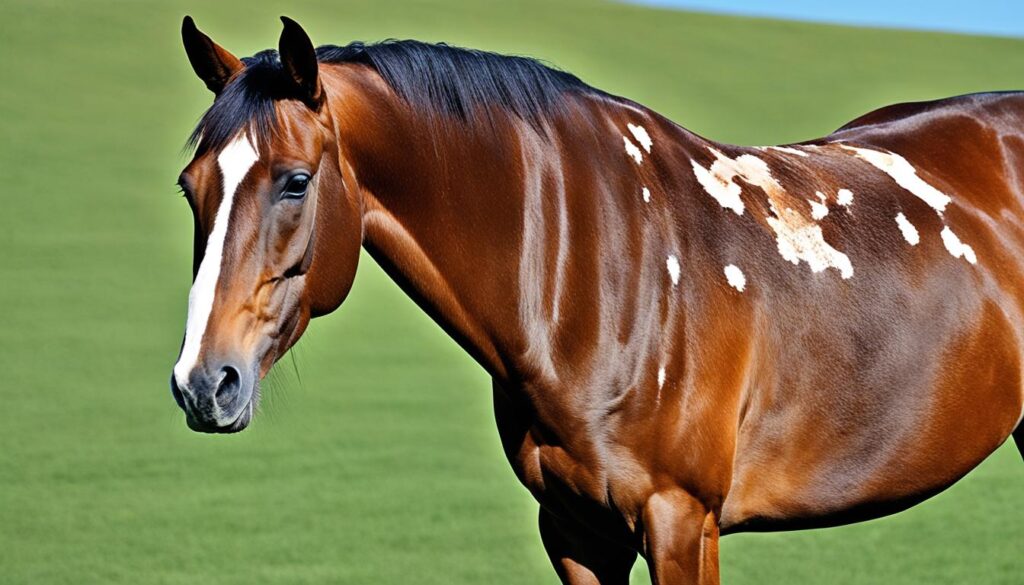
Recognizing the signs and symptoms of equine dermatitis is crucial for prompt diagnosis and treatment. Some of the common manifestations include:
- Redness and inflammation of the skin
- Intense itching and scratching
- Scaling, crusting, or flaky skin
- Hair loss or patchy areas of baldness
- Swelling or the formation of bumps or lesions
By understanding the underlying causes and recognizing the signs of equine dermatitis, horse owners and caretakers can work closely with veterinary professionals to develop a comprehensive treatment plan, ensuring the long-term health and comfort of their equine companions.
Equine Fungal Infections: Ringworm and Beyond
Equine fungal infections can be a troublesome concern for horse owners. These skin conditions, including the notorious equine ringworm, require proper diagnosis and effective treatment to ensure the health and comfort of our equine companions.
Diagnosing Equine Fungal Skin Conditions
Accurately identifying the type of equine fungal infections is crucial for effective management. Veterinary professionals often rely on a combination of visual examination, microscopic analysis, and potentially even culture testing to determine the specific fungal strain responsible.
Careful observation of the affected skin, including the presence of circular lesions, hair loss, and crusty patches, can provide valuable clues. Veterinarians may also perform a fungal culture or skin scraping to confirm the diagnosis and rule out other potential skin conditions.
Treatment Options for Fungal Infections
Once the equine fungal skin condition has been properly diagnosed, the next step is to implement an appropriate treatment plan. Antifungal medications, both topical and systemic, are often the go-to solution for managing equine ringworm and other fungal infections.
In addition, maintaining good hygiene and environmental management can support the healing process. Regular cleaning of stalls, tack, and grooming equipment can help prevent the spread of fungal spores and promote a healthier skin environment for the horse.
By understanding the importance of accurate diagnosis of equine fungal skin conditions and exploring the range of treatment options available, horse owners can effectively address these challenging dermatological issues and keep their equine companions comfortable and healthy.
Equine Parasitic Skin Conditions
Horses can fall victim to a range of parasitic skin conditions, which can cause significant discomfort and even serious health issues if left untreated. From mites and lice to ticks, these common equine skin parasites can wreak havoc on a horse’s coat and overall well-being.
Common Parasites Affecting Equine Skin
The most prevalent parasites that can infect a horse’s skin include:
- Mites, which can burrow into the skin and cause intense itching and hair loss
- Lice, which feed on the horse’s blood and can lead to skin irritation and anemia
- Ticks, which can transmit diseases and cause localized inflammation and swelling
Prevention and Treatment Strategies
To keep equine parasitic skin conditions at bay, it’s crucial to implement a comprehensive prevention and treatment plan. This may include:
- Regular grooming and inspection to detect any signs of parasitic infestation
- Proper cleanliness and sanitation of the horse’s living environment
- The use of approved insecticides, acaricides, or other anti-parasitic medications, as recommended by a veterinarian
- Careful monitoring and prompt treatment of any skin issues that arise
By staying vigilant and taking proactive measures, horse owners can effectively prevent and manage equine parasitic skin conditions, ensuring their horses maintain a healthy, glossy coat and overall well-being.
Equine Photosensitivity: Sensitivity to Sunlight
Equine photosensitivity is a troubling condition that can cause significant discomfort and skin irritation in horses. This sensitivity to sunlight can lead to a range of unpleasant symptoms, from redness and inflammation to painful blisters and even peeling skin.
Understanding the underlying causes and effective management strategies is crucial for horse owners who want to protect their beloved animals from the harmful effects of sun exposure.
One of the primary causes of equine photosensitivity is the ingestion of certain plants or chemicals that can make the skin more susceptible to UV radiation. These include plants such as St. John’s Wort, Alsike clover, and even some medications. Horses with fair skin or light-colored coats are also more prone to developing this condition.
Managing Equine Photosensitivity
Fortunately, there are several steps horse owners can take to manage and prevent equine photosensitivity. The key is to limit the horse’s exposure to direct sunlight, especially during the peak UV hours of the day. This can be achieved by:
- Providing ample shade and shelter in the form of barns, sheds, or trees.
- Using lightweight, breathable horse blankets or sheets to cover the horse’s skin when turnout is necessary.
- Applying sunscreen to exposed areas of the horse’s skin, particularly the face, ears, and lower legs.
In cases where the photosensitivity is caused by an underlying condition or the ingestion of a problematic plant or chemical, veterinary intervention may be necessary. Your equine veterinarian can help identify the root cause and recommend appropriate treatment options to alleviate the symptoms and prevent further skin damage.
By understanding the causes of equine photosensitivity and implementing effective management strategies, horse owners can help their animals stay comfortable and healthy, even in the presence of intense sunlight.
Investing in the well-being of your equine companion is a rewarding endeavor that can pay dividends in the long run.
Equine Alopecia: Hair Loss in Horses
Equine alopecia, or hair loss in horses, can be a distressing issue for horse owners. This condition can have various underlying causes, from hormonal imbalances to autoimmune disorders and fungal infections. Understanding the root causes is the first step towards effective management and treatment.
Causes and Contributing Factors
Equine alopecia can be triggered by a range of factors, including:
- Hormonal imbalances, such as thyroid dysfunction or Cushing’s disease
- Autoimmune disorders, where the horse’s immune system mistakenly attacks its own hair follicles
- Fungal infections, like ringworm, that can cause localized or widespread hair loss
- Nutritional deficiencies, particularly in proteins, vitamins, and minerals essential for healthy hair growth
- Stress, which can disrupt the normal hair growth cycle and lead to excessive shedding
Identifying the underlying cause is crucial for developing an effective treatment plan.
Management and Treatment of Alopecia
Addressing equine alopecia often requires a multi-pronged approach, combining various management strategies and treatments:
- Dietary modifications to ensure the horse is receiving a balanced and nutrient-rich diet
- Topical treatments, such as anti-fungal creams or medicated shampoos, to address any skin infections or irritations
- Hormone therapy, if the hair loss is related to an endocrine imbalance
- Immune-modulating medications, for autoimmune-related alopecia
- Stress reduction strategies, such as environmental modifications and consistent management practices
With a comprehensive approach and close collaboration with a veterinarian, many cases of equine alopecia can be successfully managed and the horse’s coat restored to its former glory.
Equine Sweet Itch: A Seasonal Nuisance
Equine sweet itch, also known as summer eczema, is a frustrating skin condition that affects many horses during the warmer months. This seasonal irritation is often caused by an allergic reaction to the bites of certain insects, particularly midges and mosquitoes.
While the exact triggers can vary, understanding the causes and effective management strategies can help provide relief for horses suffering from this persistent problem.
The primary causes of equine sweet itch are believed to be related to a hypersensitivity to the saliva of biting insects. Horses with this condition often have an exaggerated immune response, leading to intense itching, skin inflammation, and even hair loss in severe cases. Certain environmental factors, such as temperature and humidity, can also contribute to the severity of the outbreaks.
Managing Equine Sweet Itch
Effectively managing equine sweet itch requires a multi-faceted approach. Some key strategies include:
- Implementing strict fly control measures, such as using insect repellents, fly masks, and keeping horses stabled during peak biting hours
- Providing a sheltered environment with good airflow to reduce exposure to biting insects
- Administering antihistamines or corticosteroids to alleviate symptoms and reduce inflammation
- Exploring alternative therapies, such as immunotherapy, to desensitize the horse’s immune system
By addressing the underlying causes and implementing a comprehensive management plan, horse owners can help their equine companions find relief from the discomfort and distress of equine sweet itch.
Treating Equine Sweet Itch
In addition to management strategies, various treatment options are available to help alleviate the symptoms of equine sweet itch. These may include:
- Topical applications – Soothing creams, ointments, or sprays containing anti-inflammatory or anti-itch ingredients can provide localized relief
- Systemic medications – Oral or injectable antihistamines, corticosteroids, or other immunomodulatory drugs may be prescribed by a veterinarian
- Immunotherapy – A series of gradual, controlled exposures to the allergens can help desensitize the horse’s immune system over time
By working closely with a qualified equine veterinarian, horse owners can develop a comprehensive treatment plan that addresses the specific needs and unique circumstances of their horse’s equine sweet itch condition.
Equine Dermatological Conditions: Sarcoids
Equine sarcoids are one of the most common skin conditions affecting horses. These troublesome skin tumors can take several forms, ranging from small, flat growths to large, aggressive lesions.
Understanding the different types of equine sarcoids, their potential causes, and the available treatment options is crucial for horse owners and veterinarians alike.
The four main types of equine sarcoids include:
- Occult sarcoids – Flat, hairless patches on the skin
- Verrucous sarcoids – Wart-like growths
- Nodular sarcoids – Solid, raised lumps
- Fibroblastic sarcoids – Rapidly growing, aggressive tumors
While the exact causes of equine sarcoids are not fully understood, researchers believe they may be linked to the bovine papillomavirus (BPV). Additionally, factors such as trauma, genetic predisposition, and compromised immune systems may contribute to the development of these skin lesions.
Treating equine sarcoids can be a complex and challenging process, as the tumors often recur after initial treatment. Common approaches include surgical removal, cryotherapy (freezing the sarcoid), and immunotherapy, which aims to stimulate the horse’s immune system to fight the tumor. In some cases, a combination of these methods may be necessary for effective management of equine sarcoids.
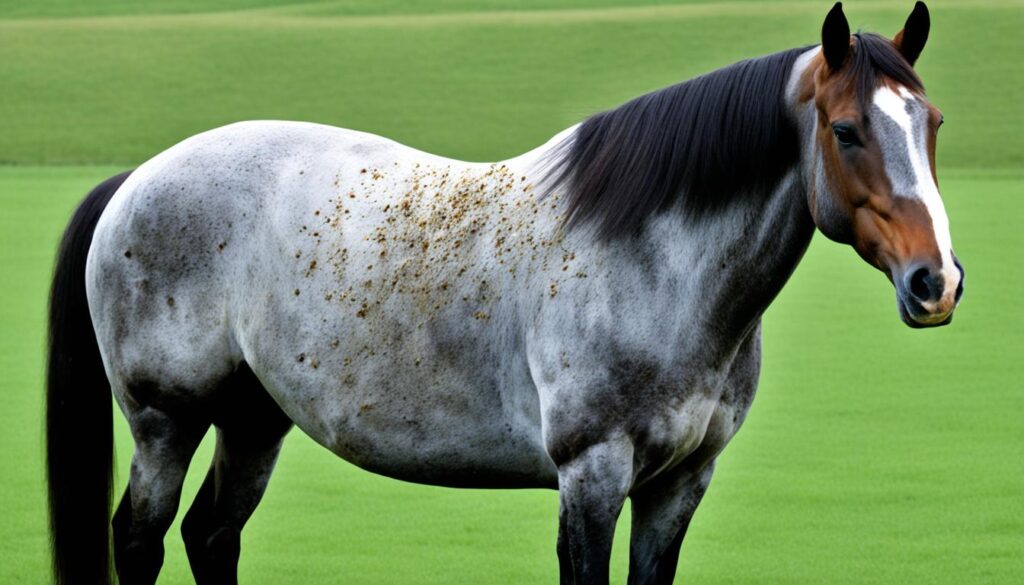
By understanding the types, causes, and treatment options for equine sarcoids, horse owners and veterinarians can work together to develop the most effective management strategies for this common dermatological condition. Regular veterinary check-ups and prompt attention to any suspicious skin growths can help ensure the best possible outcomes for affected horses.
Conclusion
In this comprehensive guide, we’ve explored the diverse range of equine dermatological conditions that horse owners may encounter. From allergies and dermatitis to fungal infections and parasitic skin conditions, we’ve delved into the causes, symptoms, and effective management strategies for maintaining the skin health of these majestic animals.
Keeping a horse’s skin in optimal condition is crucial for their overall well-being and performance. By understanding the importance of managing horse skin health, horse owners can take proactive steps to address any issues that arise, ensuring their equine companions remain comfortable, free from irritation, and able to reach their full potential.
Through this journey, we’ve highlighted the vital role that horse skin care plays in the overall health and well-being of these magnificent creatures. Whether dealing with seasonal nuisances like sweet itch or more serious conditions like sarcoids, the information provided in this article will empower horse owners to make informed decisions and provide the best possible care for their beloved horses.
FAQ
What are some common equine dermatological conditions?
Some of the most common equine dermatological conditions include allergies, dermatitis, fungal infections, parasitic skin conditions, photosensitivity, alopecia, sweet itch, and sarcoids.
What are the common causes and risk factors for equine skin issues?
Equine skin conditions can be caused by a variety of factors, such as allergies, parasites, fungal infections, and environmental factors. Certain risk factors include exposure to allergens, poor hygiene, and weakened immune systems.
How can I identify the signs and symptoms of equine skin problems?
Common signs and symptoms of equine skin issues include redness, itching, scaling, hair loss, and blistering. Observing changes in your horse’s skin and coat can help you identify potential problems early on.
How can I manage and treat equine allergies?
Effective management of equine allergies involves identifying and avoiding the specific allergens or triggers, as well as utilizing appropriate treatments, such as antihistamines or corticosteroids, to alleviate symptoms.
What are the common types of equine fungal infections?
Equine fungal infections can include conditions like ringworm, which is a common and highly contagious fungal skin condition. Accurate diagnosis and targeted treatment are crucial for managing these types of infections.
How can I prevent and treat parasitic skin conditions in horses?
Preventing and treating parasitic skin conditions in horses involves using effective parasite control measures, such as regular deworming and the application of topical treatments to eliminate mites, lice, and ticks.

I’m Fredson Smith, a dedicated researcher at Dincards, passionate about exploring and sharing the diverse world of equines with our readers.