
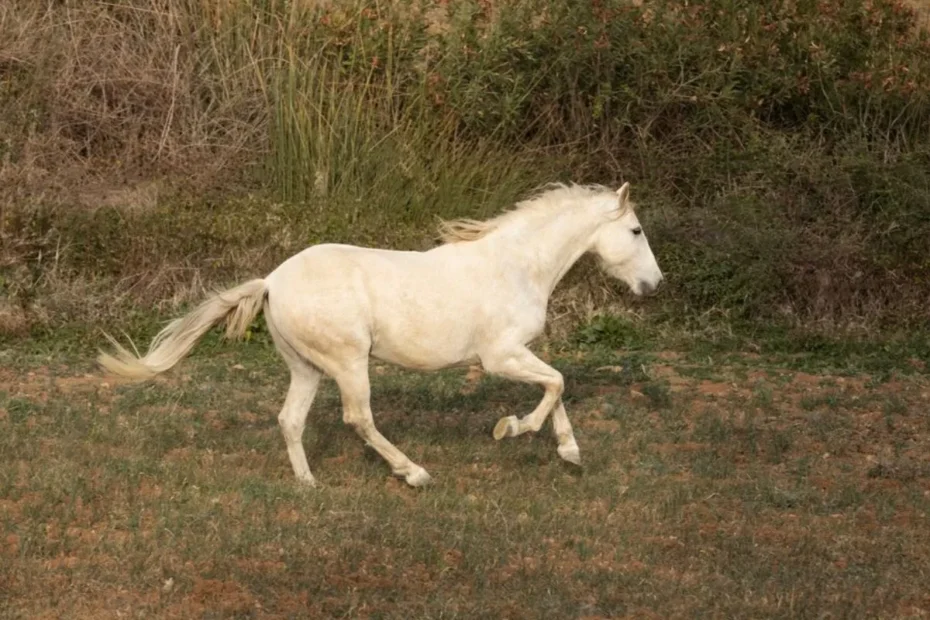
Dressage, often referred to as the “ballet of the equestrian world,” is a discipline that demands exceptional skill, coordination, and a deep understanding of the horse-rider partnership. In this comprehensive guide, we will explore the advanced techniques and principles that elevate dressage riding to an art form, empowering equestrians to achieve a harmonious and precise performance.
At the heart of dressage lies the pursuit of collection, impulsion, and intricate movements that showcase the horse’s natural elegance and the rider’s mastery. By delving into the core elements of this discipline, from the classical dressage principles to the execution of advanced maneuvers, we will equip you with the knowledge and tools necessary to refine your skills and cultivate a true partnership with your equine companion.
Key Takeaways
- Discover the foundational principles of classical dressage and how to apply them to your riding practice.
- Understand the importance of collection and impulsion in achieving advanced dressage movements.
- Master complex maneuvers such as the half-pass, flying changes, piaffe, and passage.
- Explore the biomechanics of horse and rider interaction for optimal performance.
- Learn effective training methodologies and strategies for continuous improvement.
Understanding the Fundamentals of Dressage
Dressage, the art of classical horsemanship, is founded upon a deep understanding of the dressage fundamentals. At the heart of this esteemed equestrian discipline lies the pursuit of a harmonious horse and rider partnership, where the rider guides the horse with precision, subtlety, and grace. Mastering the classical dressage principles is the key to unlocking the true potential of both horse and rider.
Classical Dressage Principles
The principles of classical dressage serve as the foundation for every aspect of this captivating sport. From the rider’s impeccable posture and balanced seat to the horse’s responsive obedience and fluid gaits, these timeless tenets are the cornerstones of dressage excellence.
Aspiring dressage riders must familiarize themselves with the fundamental concepts, such as rhythm, suppleness, contact, impulsion, and straightness, in order to develop the technical skills necessary for advanced maneuvers.
Developing a Harmonious Partnership
At the heart of dressage lies the notion of a seamless horse and rider partnership. Through patient training, clear communication, and a deep understanding of equine psychology, the rider and horse work in unison, anticipating each other’s movements and responding with effortless precision. This symbiotic relationship, built on trust and mutual respect, is the hallmark of exceptional dressage performance.
By mastering the classical dressage principles and cultivating a harmonious horse and rider partnership, aspiring dressage enthusiasts can lay the groundwork for a lifetime of success in the saddle. These fundamental elements form the bedrock upon which the most advanced dressage techniques are built, guiding riders towards the pinnacle of this captivating equestrian art.
Mastering the Art of Collection and Impulsion
Dressage, the elegant art of horse training, is all about precision and control. At the heart of this discipline lies the crucial elements of collection and impulsion, which are essential for executing advanced dressage movements with grace and finesse. In this section, we’ll delve into the strategies and techniques for mastering these fundamental principles, setting the stage for the rider’s journey to higher levels of dressage achievement.
Collection, the subtle yet powerful gathering of the horse’s energy, is the foundation for all advanced dressage work. By teaching the horse to carry more weight on its hindquarters, the rider can create a more uphill, elevated frame and engage the horse’s core muscles. This, in turn, allows for the seamless execution of intricate dressage movements such as the piaffe, passage, and pirouette.
Impulsion, the energetic propulsion from the horse’s hind legs, is the driving force behind collection. By developing a horse’s natural impulsion, the rider can harness this power and channel it into the desired movements, creating a harmonious partnership between horse and rider. Through targeted exercises and thoughtful training, the horse learns to maintain a consistent, rhythmic energy, ready to respond to the rider’s subtle cues.
By mastering the art of collection and impulsion, riders can unlock the true potential of their equine partners, elevating their performance and showcasing the beauty of dressage to the fullest extent. This solid foundation lays the groundwork for the exploration of more advanced dressage movements and the pursuit of excellence in the sport.
Advanced Dressage Riding Techniques
Mastering the art of dressage riding requires dedication, precision, and a deep understanding of advanced techniques. In this section, we’ll delve into two pivotal movements that elevate the dressage performance: the half-pass and flying changes.
The Half-Pass
The half-pass is an intricate lateral movement that showcases the horse’s suppleness, balance, and responsiveness. To execute the half-pass with finesse, riders must develop a seamless connection with their equine partner, using subtle aids to guide the horse’s shoulders and haunches diagonally across the arena. Perfecting the timing and coordination of these cues is crucial for achieving the desired cadence and alignment.
Flying Changes
Another hallmark of advanced dressage is the mastery of flying changes. These lightning-fast transitions between leads demand exceptional control, balance, and timing from both the horse and rider.
Riders must learn to anticipate the horse’s stride and apply the necessary aids with precision, eliciting a clean, crisp change of lead without disrupting the overall rhythm and fluidity of the movement.
By incorporating these advanced dressage techniques into their training regimen, riders can elevate their dressage performance and showcase the true elegance and power of the equine athlete. With dedication, patience, and a keen eye for detail, any dedicated dressage enthusiast can master the art of the half-pass and flying changes.
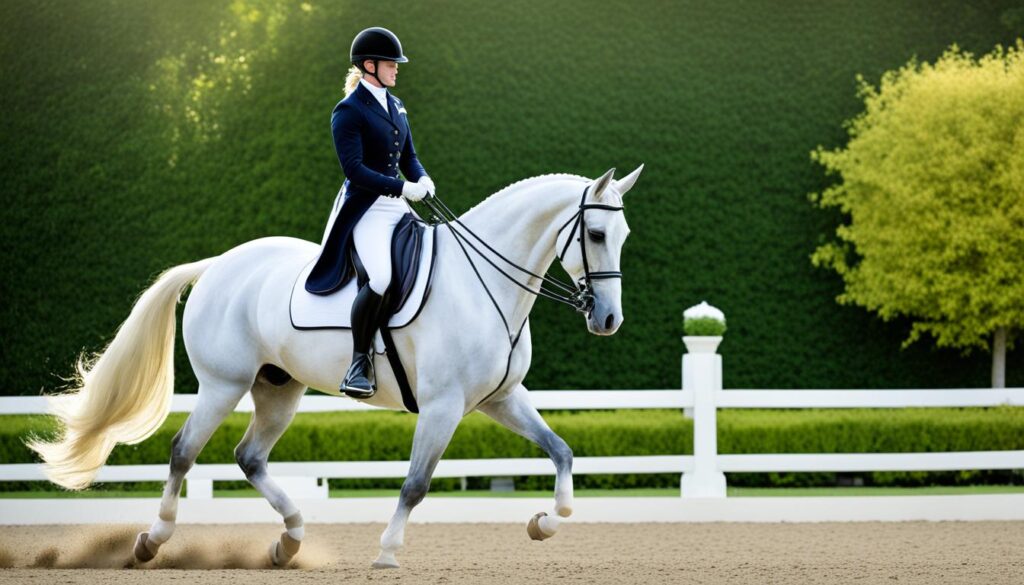
- Develop a harmonious partnership with your horse
- Refine your timing and coordination for precise dressage movements
- Practice the half-pass and flying changes to enhance your overall dressage proficiency
Perfecting the Piaffe and Passage
The piaffe and passage are considered the pinnacle of advanced dressage movements, demanding exceptional skill and training from both the horse and rider. These captivating maneuvers require a delicate balance of collection, impulsion, and responsiveness, showcasing the true partnership between equine and human.
Mastering the piaffe, a controlled, elevated trot in place, is a testament to the horse’s physical and mental conditioning. Developing the necessary collection and engagement of the hindquarters is crucial for executing this movement with grace and precision.
Through patient and progressive training, riders can cultivate the horse’s ability to maintain unwavering balance and cadence during the piaffe.
The passage, on the other hand, is a cadenced, elevated trot with increased suspension and impulsion. Transitioning seamlessly between the piaffe and passage requires a deep understanding of the horse’s biomechanics and the rider’s ability to influence the horse’s movements with subtle, refined aids. By perfecting these dressage movements, riders can demonstrate the highest level of advanced dressage techniques.
Achieving mastery of the piaffe and passage is a true test of the rider’s skill and the horse’s training. Through a combination of diligent practice, nuanced communication, and a deep appreciation for the art of dressage, riders can unlock the true potential of these captivating dressage movements.
Lateral Work: A Test of Precision
In the realm of advanced dressage riding, the execution of lateral movements, such as shoulder-in, haunches-in, renvers, and travers, is a true test of a rider’s mastery. These intricate maneuvers demand a deep understanding of dressage movements and the ability to seamlessly integrate advanced dressage techniques into the horse’s training.
Shoulder-In and Haunches-In
The shoulder-in and haunches-in are essential lateral work exercises that enhance the horse’s suppleness and responsiveness. Mastering these movements requires precise coordination between the rider’s aids and the horse’s coordination. By gently shifting the horse’s weight and engaging the correct muscles, these lateral movements refine the horse’s engagement and collection, preparing them for more complex dressage movements.
Renvers and Travers
The renvers and travers are advanced lateral work techniques that challenge both the horse and rider to maintain balance, rhythm, and lateral work precision. These movements test the horse’s ability to move sideways while keeping the shoulders and haunches aligned, demanding a high level of communication and coordination between the pair.
Perfecting the renvers and travers can greatly contribute to the overall dressage movements and advanced dressage techniques of the horse-rider partnership.
Incorporating these lateral work exercises into the training regimen is essential for developing a well-rounded, responsive, and supple dressage horse. By mastering these intricate movements, riders can unlock new levels of precision, harmony, and overall dressage excellence.
Biomechanics for Horse and Rider
Mastering advanced dressage techniques requires a deep understanding of the intricate biomechanics at play between the horse and rider. This section delves into the principles of equine movement and the vital role of the rider’s position and aids in achieving optimal balance, harmony, and responsiveness within the horse and rider partnership.
Understanding Equine Movement
Equine biomechanics are a fascinating yet complex subject. Horses move with remarkable efficiency, powered by a series of coordinated muscle contractions and joint movements.
By comprehending the fundamental mechanics of how horses carry themselves, dressage riders can better anticipate and respond to the horse’s natural tendencies, ultimately enhancing their performance and overall well-being.
Rider Position and Aids
The rider’s position and subtle use of riding aids are crucial in dressage. A balanced, centered seat and precise application of the aids allow the rider to influence the horse’s movement, guiding it through each transition and exercise with finesse. Mastering this symbiotic relationship is key to unlocking the true potential of both horse and rider.
By understanding the biomechanics at play and the importance of the rider’s position and aids, dressage enthusiasts can take their training to new heights, fostering a deeper level of communication and partnership with their equine companions.
Training Methodologies for Success
To excel in advanced dressage riding, equestrians must adopt effective training methodologies grounded in the principles of classical dressage. By understanding and implementing these proven training approaches, riders can develop their horses and themselves into a cohesive, high-performing dressage partnership.
One of the key aspects of successful dressage training is the emphasis on classical dressage principles. These time-honored principles, rooted in centuries of equestrian tradition, provide a solid foundation for progressive and sustainable dressage training. Equestrians who embrace these classical principles are better equipped to train their horses with precision, balance, and harmony.
Another vital component of effective training methodologies is the development of a harmonious partnership between the horse and rider. This symbiotic relationship, built on trust, communication, and mutual understanding, is the cornerstone of advanced dressage riding. By fostering this partnership, riders can enhance their horses’ responsiveness, collection, and impulsion, ultimately leading to greater success in the dressage arena.
Furthermore, successful dressage training requires a deep understanding of equine biomechanics and movement. Riders who can effectively analyze and address the nuances of their horse’s physical capabilities and limitations are better equipped to tailor their training methods accordingly. This holistic approach to training ensures the long-term well-being and performance of the horse-rider team.
By embracing the principles of classical dressage, fostering a harmonious partnership, and incorporating a biomechanical understanding into their training methodologies, equestrians can unlock the full potential of their dressage horses and themselves, paving the way for exceptional performances and competitive success.
Refining Transitions and Obedience
In the world of advanced dressage, seamless transitions and unwavering obedience are the hallmarks of a truly exceptional performance. This section delves into the techniques and training methods required to refine a horse’s responsiveness and obedience, enabling the rider to execute precise, fluid transitions and maintain the horse’s attention and focus throughout the dressage test.
Developing Responsiveness
Responsiveness is the foundation upon which successful dressage transitions are built. By cultivating a horse’s sensitivity to the rider’s aids, you can achieve the level of obedience and responsiveness necessary to navigate the intricate movements of a dressage test with ease. This involves a meticulous training regimen that focuses on:
- Consistent and clear communication through the rider’s seat, legs, and hands
- Gradual desensitization to external stimuli to maintain focus
- Reinforcement of positive behaviors through rewards and praise
- Consistent, patient repetition to ingrain the desired transitions and obedience
As the horse becomes increasingly responsive to the rider’s dressage training, the duo can seamlessly execute the precise, fluid movements that captivate judges and audiences alike.
By mastering the art of developing responsiveness, riders can take their dressage performance to new heights, showcasing the true elegance and power of this equestrian discipline.
The Importance of Progressive Training
Successful advanced dressage riding is built upon a foundation of progressive training. This step-by-step approach is crucial for equestrians looking to develop their horses’ and their own skills, adhering to the principles of classical dressage to ensure long-term improvement and sustainability.
Progressing through the levels of dressage training methodically is the key to mastering the intricate movements and techniques required at the highest levels of the sport. By focusing on progressive training, riders can systematically build their horses’ strength, balance, and responsiveness, laying the groundwork for more advanced classical dressage principles.
The benefits of this approach are manifold:
- Gradual development of the horse’s physical and mental capabilities
- Strengthening of the horse-rider partnership through consistent, thoughtful training
- Reduced risk of injuries or burnout for both horse and rider
- Solid foundation for executing complex dressage maneuvers with precision and grace
By embracing the principles of progressive training, dressage enthusiasts can unlock their full potential and create a harmonious, high-performing partnership with their equine partners. It’s a path that requires patience, dedication, and a deep understanding of the classical dressage principles that have stood the test of time.
Overcoming Challenges and Setbacks
Dressage mastery is a journey, and even the most accomplished riders encounter challenges and setbacks along the way. Whether it’s a horse’s behavioral quirks, a rider’s struggle with a specific movement, or the ever-changing nature of the sport, the path to perfection is seldom smooth. Yet, it is in these moments of adversity that true growth and progress can flourish.
The key to navigating challenges is a resilient mindset, a willingness to problem-solve, and a deep understanding of the dressage training process. By approaching obstacles with an analytical eye and a patient hand, riders can uncover the root causes of issues and devise effective solutions. Whether it’s refining their horse’s responsiveness, perfecting a tricky transition, or maintaining composure during high-pressure competitions, the ability to adapt and persevere is essential for overcoming setbacks and achieving dressage excellence.
Embracing the ebbs and flows of the sport, cultivating a growth mindset, and collaborating with experienced trainers and mentors can all be instrumental in problem-solving and unlocking new levels of success. By staying focused, flexible, and determined, dressage riders can transform challenges into opportunities for learning, improvement, and ultimately, the realization of their equestrian dreams.
FAQ
What are the core elements of advanced dressage riding?
The core elements of advanced dressage riding include collection, impulsion, intricate movements like the half-pass and flying changes, as well as lateral work such as shoulder-in, haunches-in, renvers, and travers. Mastering these elements requires a deep understanding of classical dressage principles and the biomechanics of both the horse and rider.
How can I develop a harmonious partnership with my horse in dressage?
Developing a harmonious partnership with your horse is essential for success in dressage. This involves building trust, understanding your horse’s needs and personality, and fostering clear communication through consistent training and the proper use of riding aids. By focusing on the horse-rider relationship, you can create a foundation for advanced dressage work.
What is the importance of collection and impulsion in dressage?
Collection and impulsion are fundamental elements of dressage, as they provide the basis for executing advanced movements with precision and grace. Collection involves the horse’s ability to shift its weight to the hindquarters, while impulsion refers to the power and energy generated from the horse’s hindquarters.
Mastering these two elements is critical for achieving the desired balance, cadence, and responsiveness required in dressage.
How do I properly execute the half-pass and flying changes?
The half-pass and flying changes are two of the most challenging advanced dressage movements. Executing the half-pass requires supple, lateral flexibility, while the flying changes demand precise timing, balance, and impulsion. Developing these skills involves targeted training, focusing on improving the horse’s responsiveness, coordination, and the rider’s timing and coordination of the aids.
What are the key techniques for perfecting the piaffe and passage?
The piaffe and passage are considered the pinnacle of dressage movements, requiring exceptional collection, balance, and responsiveness from both the horse and rider. Perfecting these maneuvers involves meticulous training to develop the horse’s cadence, suspension, and self-carriage, while the rider must maintain a balanced, subtle, and precise application of the aids.
How can I improve my lateral work in dressage?
Lateral work, such as shoulder-in, haunches-in, renvers, and travers, is a crucial component of advanced dressage riding. To improve your lateral work, focus on developing your horse’s suppleness, responsiveness, and understanding of the aids. This may involve exercises to increase the horse’s lateral flexibility and the rider’s ability to precisely coordinate their aids for these intricate movements.

I’m Fredson Smith, a dedicated researcher at Dincards, passionate about exploring and sharing the diverse world of equines with our readers.