
Riding bareback is a thrilling and intimate experience that allows you to develop a deep connection with your equine companion. However, this riding style also comes with unique challenges and risks that require careful consideration.
In this comprehensive guide, we’ll explore the fundamentals of bareback riding, from establishing a strong bond with your horse to mastering the necessary techniques and equipment to ensure a safe and rewarding journey.
Key Takeaways
- Understand the importance of safety and risk management in bareback riding
- Learn how to build trust and a strong bond with your horse through groundwork exercises
- Discover the proper preparation and equipment needed for bareback riding
- Master the basics of bareback riding, including balance, control, and effective communication with your horse
- Explore advanced bareback riding techniques and exercises for experienced riders
Understanding the Importance of Bareback Riding Safety
Bareback riding can be an exhilarating and rewarding experience for equestrians, but it also comes with inherent risks that must be taken seriously.
As you explore the thrills of riding without a saddle, it’s crucial to understand the potential dangers and challenges you may face, as well as the unique benefits that experienced riders can gain from this practice.
Risks and Challenges of Bareback Riding
Riding bareback presents several risks that riders must be aware of and prepared to mitigate. The lack of a saddle can make it more difficult to maintain balance and secure your seat, increasing the chances of falls or slips. Riders may also be more susceptible to injuries, as there is less cushioning and protection between the horse and the rider’s body.
Additionally, the close contact with the horse can heighten the rider’s sensitivity to the animal’s movements, requiring a higher level of coordination and responsiveness.
Benefits of Riding Bareback for Experienced Riders
- Improved balance and core strength as you engage your muscles to stay in sync with the horse’s movements.
- Enhanced communication and connection with your horse, as you rely more on subtle cues and body language.
- Increased feel and sensitivity, allowing you to better interpret your horse’s responses and adjust your riding accordingly.
- Opportunity to develop a deeper level of trust and partnership with your equine companion.
By understanding the risks and potential rewards of bareback riding, you can make informed decisions and prioritize safety as you embark on this thrilling and rewarding equestrian journey.
Whether you’re a seasoned rider or new to the experience, taking the time to properly prepare and build the necessary skills will help ensure a safe and enjoyable bareback riding experience.
Establishing a Strong Bond with Your Horse
Developing a strong bond and trust with your horse is crucial for safe and enjoyable bareback riding. Through thoughtful groundwork exercises, you can build a deeper connection with your equine partner, ensuring they are comfortable and responsive to your cues during your bareback adventures.
Building Trust Through Groundwork Exercises
Groundwork exercises are an excellent way to establish a foundation of trust and communication with your horse. These activities, performed on the ground, help your horse become accustomed to your presence, touch, and cues, making them more receptive and cooperative during bareback rides.
Try incorporating the following groundwork exercises into your routine:
- Approaching and Haltering – Slowly approach your horse, offering treats and gentle touches to help them become comfortable with your presence.
- Leading and Backing – Practice leading your horse in different directions and having them back up on command, reinforcing your leadership role.
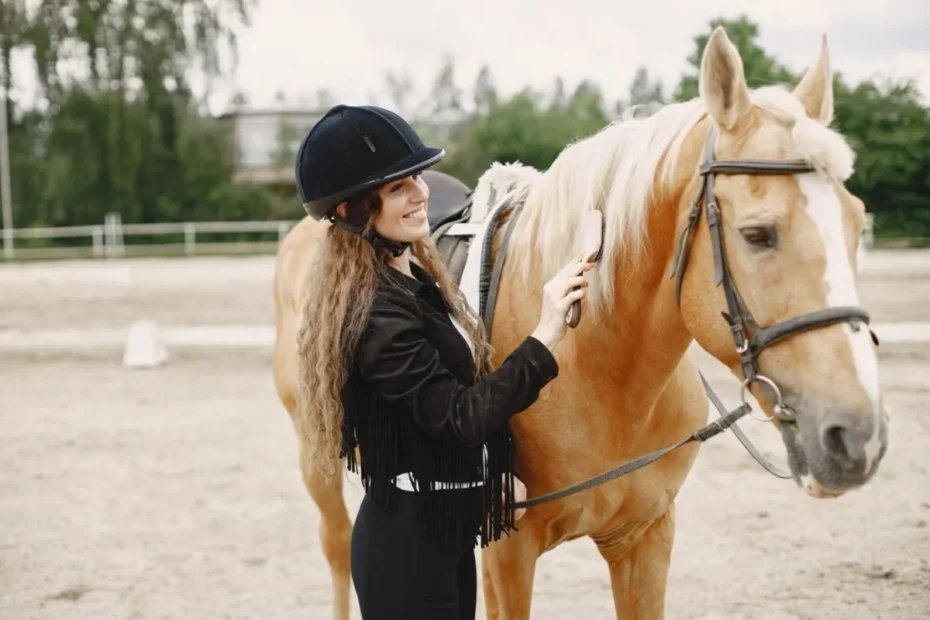
- Grooming and Touching – Spend time gently grooming your horse, gradually introducing touch to all areas of their body, including sensitive spots.
- Desensitizing Exercises – Expose your horse to new objects, sounds, and experiences in a calm, controlled manner to help them become less reactive.
By dedicating time to these groundwork exercises, you’ll build a foundation of trust and understanding with your horse. This strong bond will translate to more confident and enjoyable bareback rides, as your horse will be more responsive to your cues and less likely to startle or react unexpectedly.
Proper Preparation for Bareback Riding
Embarking on a bareback ride requires thorough preparation, both for you and your horse. This section delves into the essential equipment you’ll need, as well as the warm-up routines that will help ensure a safe and enjoyable experience.
Essential Equipment for Bareback Riding
While bareback riding may seem minimalist, there are a few key pieces of equipment you’ll want to have on hand. These include:
- A well-fitted halter and lead rope
- A mounting block or sturdy object to assist with mounting
- Protective gear such as a helmet, gloves, and boots
- A bareback pad or saddle blanket (optional, but can provide extra grip and comfort)
Warm-up Routines for Rider and Horse
Before you swing your leg over your horse’s back, it’s important to warm up both yourself and your equine partner. Suggested warm-up routines include:
- Rider Warm-up: Incorporate dynamic stretches, light cardio, and exercises to improve core strength and balance.
- Horse Warm-up: Begin with ground work, such as leading exercises and gentle lunging, to get your horse mentally and physically prepared.
Taking the time to properly prepare will help ensure a smooth and safe bareback riding experience for both you and your horse.

Mastering the Basics of Bareback Riding
Mastering the basics of bareback riding is essential for developing confidence and maintaining safety while riding your horse without a saddle. This section will guide you through the fundamental techniques and skills needed to mount, ride, and dismount your horse confidently.
Before attempting bareback riding, it’s crucial to have a solid foundation in basic horse handling and riding skills. Spend time practicing groundwork exercises to build trust and communication with your horse. Once you’re comfortable, you can begin incorporating bareback riding into your training routine.
Here are the essential steps to master the basics of bareback riding:
- Mounting the Horse: Approach your horse calmly and position yourself next to the shoulder. Place one hand on the horse’s mane and the other on the withers, then gently swing your leg over the horse’s back, ensuring a smooth and controlled mount.
- Maintaining Balance: Engage your core muscles and sit deep in the saddle to maintain a stable and balanced seat. Keep your shoulders back, chin up, and eyes focused ahead to help you stay centered.
- Controlling the Horse: Use subtle weight aids, leg pressure, and voice commands to guide your horse. Practice transitions, turns, and stops to develop a responsive and harmonious partnership.
- Dismounting: When it’s time to dismount, slide your leg back over the horse’s hindquarters and step down gently, maintaining control throughout the process.
Mastering the basics of bareback riding takes time and consistent practice. Be patient with yourself and your horse, and focus on building a strong foundation of trust and communication. With dedication and proper technique, you’ll be able to enjoy the freedom and connection of riding without a saddle.
How to Ride Bareback Safely
Riding bareback is an exhilarating and intimate experience, but it requires a heightened level of skill and safety awareness. Whether you’re a beginner or an experienced rider, mastering the art of bareback riding can be both challenging and rewarding. In this section, we’ll explore practical tips and strategies to help you ride bareback safely and confidently.
The key to safe bareback riding is establishing a strong connection and trust with your horse. Before even considering riding without a saddle, it’s essential to build a solid foundation through groundwork exercises and regular handling.
This will help you and your horse develop a deeper understanding and communication, which is crucial when riding bareback.
Maintaining Balance and Control
Riding bareback requires exceptional balance and core strength. To stay secure in the saddle, practice the following techniques:
- Engage your core muscles to stabilize your body and maintain a centered, balanced position.
- Keep your hands soft and your elbows close to your body to enhance your communication with the horse.
- Develop a strong leg grip to secure your position and allow for subtle cues.
Responding to Unexpected Situations
Bareback riding can be more unpredictable than riding with a saddle, so it’s important to be prepared for the unexpected. Familiarize yourself with your horse’s behavior and learn to recognize early signs of potential issues. If your horse becomes startled or begins to behave erratically, remain calm and use subtle cues to regain control.
Remember, the safety and well-being of both you and your horse should always be the top priority when riding bareback.
By following these guidelines and continually working to improve your skills, you can enjoy the thrill of bareback riding while minimizing the risks.
Bareback Riding Techniques for Experienced Riders
As you progress in your bareback riding journey, you may want to explore more advanced movements and exercises to take your skills to the next level.
This section delves into the nuances of bareback riding for experienced riders, offering guidance on executing complex maneuvers and incorporating new challenges into your training.
Advanced Movements and Exercises
Once you have mastered the basics of bareback riding, you can begin to experiment with more advanced techniques. These can include:
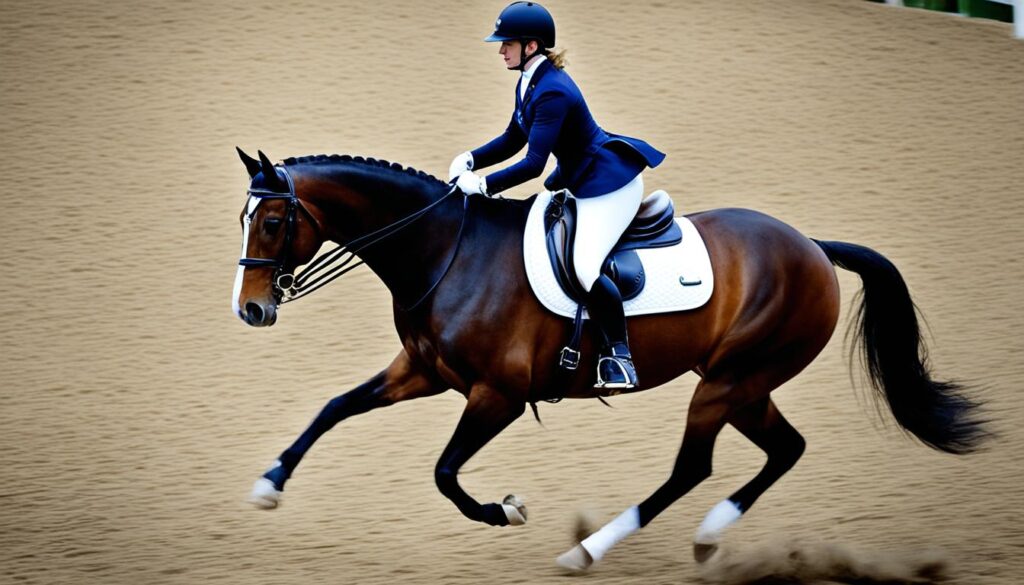
- Lateral movements, such as shoulder-in and haunches-in, to improve your horse’s responsiveness and your own balance
- Two-point position exercises, which help you develop a stronger leg and core connection with your horse
- Transitions between gaits, such as canter-trot-canter, to refine your aids and timing
- Jumping exercises, starting with small crossrails, to challenge your balance and coordination
Remember, as you explore these advanced bareback riding techniques, it’s crucial to maintain a strong focus on safety and to work closely with your instructor or an experienced mentor. Gradually build up to these more complex maneuvers, and be prepared to take a step back if you or your horse ever feel uncomfortable or unsure.
Risk Management in Bareback Riding
Effective risk management is crucial for safe and enjoyable bareback riding. Recognizing and avoiding potential dangers is the key to minimizing the risks associated with riding without a saddle.
As an experienced rider, it’s essential to be proactive in identifying and mitigating these risks to ensure a rewarding and secure bareback riding experience.
Recognizing and Avoiding Potential Dangers
Riding bareback requires a heightened awareness of your horse’s behavior and the surrounding environment. To manage the risk management in bareback riding, it’s important to:
- Carefully assess your horse’s temperament and training level before attempting bareback riding. Ensure your horse is calm, responsive, and familiar with the lack of a saddle.
- Inspect the riding area for potential hazards, such as uneven terrain, loose objects, or any obstacles that could pose a threat to you or your horse.
- Maintain a strong core and balanced position to enhance your stability and control while riding bareback.
- Be vigilant for any sudden movements or unexpected behavior from your horse, and be prepared to react quickly to avoid potential dangers.
By recognizing and avoiding potential dangers, you can significantly reduce the risks associated with bareback riding and enjoy a safe and rewarding experience with your equine partner.
Developing Balance and Core Strength
Maintaining balance and core strength are essential for successful and safe bareback riding. Building these physical abilities is crucial for riding with confidence and control. In this section, we’ll explore targeted exercises and training routines to help you improve your bareback riding skills.
Exercises to Improve Bareback Riding Skills
Strengthening your core and enhancing your overall balance can make a significant difference in your bareback riding experience. Here are some effective exercises to incorporate into your training routine:
- Planks: Start in a push-up position, engaging your core muscles. Hold this position for 30 seconds to one minute, gradually increasing the duration as you build strength.
- Single-Leg Balances: Stand on one leg, focusing on maintaining steady balance. This exercise challenges your proprioception and stability.
- Yoga Poses: Incorporate yoga poses like Tree Pose and Warrior Pose into your routine. These postures improve balance, flexibility, and core strength.
- Stability Ball Exercises: Perform exercises like ball crunches and ball pushups to engage your core and enhance your overall stability.
Remember, consistency is key when it comes to building balance and core strength for bareback riding. Incorporate these exercises into your regular training regimen, and you’ll notice a significant improvement in your riding abilities.
Incorporating Bareback Riding into Your Training Routine
Incorporating bareback riding into your training routine can be a game-changer for both you and your horse. This dynamic approach to riding offers a unique opportunity to deepen your bond, improve your balance and core strength, and enhance your overall horsemanship skills.
Begin by gradually introducing bareback riding into your regular training sessions. Start with short, controlled exercises, gradually increasing the duration and complexity as both you and your horse become more comfortable.
This gradual integration will ensure a smooth and safe transition, allowing you to reap the full benefits of this engaging practice.
When incorporating bareback riding into your training routine, consider the following strategies:
- Warm-up Exercises: Dedicate time to warm-up exercises that focus on balance, core stability, and leg positioning. These preparatory movements will help you feel more secure and in sync with your horse during bareback riding.
- Skill-Building Maneuvers: Experiment with various movements and exercises, such as transitions, turns, and lateral work, to hone your bareback riding skills. This deliberate practice will enhance your overall control and responsiveness.
- Conditioning and Strength Training: Complement your bareback riding sessions with targeted exercises that build lower body strength, improve posture, and develop a stronger core. This holistic approach will optimize your performance and reduce the risk of injury.
- Increased Sensitivity and Communication: Bareback riding demands a heightened level of sensitivity and communication with your horse. Pay close attention to your horse’s cues and respond accordingly, fostering a deeper understanding and trust between you.
By thoughtfully integrating bareback riding into your training routine, you’ll not only elevate your own riding abilities but also deepen the connection and harmony between you and your equine partner. Embrace this exciting challenge and unlock the true potential of your partnership.
The Mental Aspect of Bareback Riding
Riding bareback can be a thrilling yet mentally and emotionally challenging experience, particularly for those new to the practice. Overcoming the fear and building the confidence needed to ride safely and successfully is a critical aspect of mastering the art of bareback riding.
Overcoming Fear and Building Confidence
Fear is a natural response when attempting something as physically demanding and potentially risky as bareback riding. Riders must confront and manage their apprehensions to achieve a positive mental state and perform at their best.
By developing a strong bond with their horse and practicing mental aspect of bareback riding, riders can gradually overcome their fears and build the necessary confidence.
- Visualization exercises: Imagining successful bareback rides can help riders mentally prepare and reduce anxiety.
- Mindfulness techniques: Focusing on the present moment and your horse’s movements can help maintain a calm and centered state of mind.
- Positive self-talk: Encouraging inner dialogues that reinforce your abilities and trust in your horse can boost confidence.
- Incremental progress: Start with small, achievable goals and gradually increase the difficulty as your overcoming fear and building confidence grows.
By addressing the mental aspect of bareback riding, riders can develop the resilience and self-assurance needed to tackle the challenges and reap the rewards of this thrilling equestrian discipline.
Conclusion
As we conclude this comprehensive guide, it’s clear that riding bareback requires a deep understanding of safety, trust, and skill. By prioritizing these elements, you can unlock the joys and benefits of this unique form of equestrian riding.
Throughout this journey, we’ve explored the importance of building a strong bond with your horse, mastering the basics of bareback riding, and developing the necessary balance and core strength to ride with confidence.
By incorporating bareback riding into your training routine and addressing the mental aspects, you can continuously improve your abilities and enhance the connection with your equine partner.
Remember, safety should always be the top priority when riding bareback. By recognizing and avoiding potential dangers, and incorporating risk management strategies, you can ensure that your bareback riding experiences are both exhilarating and safe.
Embrace the opportunity to deepen your horsemanship skills and forge an unparalleled bond with your horse through the art of how to ride bareback safely and building trust and skill in bareback riding.
FAQ
What are the risks and challenges of bareback riding?
Bareback riding comes with inherent risks, including increased likelihood of falls, potential for injury due to lack of a saddle, and the need for a strong bond and trust between the rider and horse. Riders must be aware of these challenges and take appropriate precautions to ensure safety.
What are the benefits of riding bareback for experienced riders?
For experienced riders, bareback riding can provide a unique opportunity to develop a deeper connection with their horse, improve balance and core strength, and enhance their overall riding skills and feel for the horse’s movements.
How can I build trust with my horse for bareback riding?
Establishing a strong bond and trust with your horse is essential for safe and enjoyable bareback riding. This can be achieved through groundwork exercises, such as desensitization training, building mutual respect, and fostering a positive relationship between the rider and the horse.
What essential equipment is needed for bareback riding?
While bareback riding eliminates the need for a saddle, it’s still important to have the proper equipment, such as a well-fitted bridle, a safety helmet, and appropriate clothing and footwear to ensure your safety and comfort during the ride.
What warm-up routines should I follow for bareback riding?
Proper warm-up routines for both the rider and the horse are crucial for bareback riding. This may include stretching exercises, groundwork, and slowly introducing the horse to the idea of being ridden without a saddle to ensure they are relaxed and responsive.
How can I master the basics of bareback riding?
Developing a solid foundation in the basics of bareback riding, such as proper mounting and dismounting techniques, balance, and communication with your horse, is key to building confidence and maintaining safety during your rides.

I’m Fredson Smith, a dedicated researcher at Dincards, passionate about exploring and sharing the diverse world of equines with our readers.