
In the captivating world of equestrian sports, mastering the art of jumping is paramount for both hunters and jumpers. Whether you’re navigating the intricate courses of hunter competitions or pushing the boundaries of show jumping, understanding and refining your jumping techniques can make all the difference in achieving success and ensuring the safety of both horse and rider.
This comprehensive guide delves into the essential jumping techniques that can elevate the performance and safety of hunters and jumpers. From developing a proper riding position and balance to analyzing stride patterns and fence approaches, we’ll explore the fundamental elements that contribute to a rider’s mastery of the sport.
By delving into the nuances of each discipline, we’ll provide you with the tools and insights necessary to elevate your skills, conquer challenging courses, and forge a stronger partnership with your equine companion.
Key Takeaways
- Discover the importance of proper jumping techniques for hunters and jumpers
- Explore the fundamentals of riding position, balance, and weight distribution
- Analyze stride patterns and course navigation strategies
- Understand the technical aspects of fence approach and takeoff
- Differentiate between hunter and jumper jumping styles
Introduction to Jumping Techniques
Equestrian sports, particularly horse jumping, require a deep understanding of proper techniques to enhance performance and ensure safety for both riders and their four-legged partners. Whether you’re competing in show jumping or navigating hunter courses, mastering the fundamentals of jumping is essential.
Importance of Proper Jumping Techniques
Developing solid jumping techniques is crucial in equestrian sports. Proper form not only improves the horse’s ability to clear obstacles but also promotes a strong, secure partnership between the rider and the horse.
By honing these techniques, riders can better anticipate the horse’s stride and movements, leading to a more seamless and efficient jump.
Overview of Hunter and Jumper Disciplines
- In hunter competitions, the emphasis is on style, form, and the horse’s overall way of going. Judges evaluate the horse’s movement, the rider’s position, and the overall aesthetic of the performance.
- In jumper events, the focus shifts to speed and the ability to navigate course designs efficiently, with clear rounds and fast times being the primary objectives.
Understanding the nuances of these disciplines is crucial in developing the appropriate jumping techniques to excel in each arena.
Riding Position and Balance
In the world of equestrian sports, proper riding techniques and a balanced riding position are essential for both performance and safety.
As we explore the nuances of jumping for hunters and jumpers, understanding the fundamentals of riding position and balance is a crucial first step.
Correct Posture and Weight Distribution
Maintaining a correct, aligned posture is the foundation of a secure and effective riding position. This involves keeping your shoulders back, your chin up, and your eyes focused ahead. Proper weight distribution is equally important, with your weight evenly distributed between your seat and your legs.
By adopting this optimal posture and weight distribution, you’ll be able to stay in sync with your horse and respond to its movements with greater agility and control.
Developing a Secure and Independent Seat
A secure and independent seat is the hallmark of a skilled equestrian. This involves developing a deep, balanced position in the saddle, with your legs providing a stable base of support. Through consistent practice and targeted exercises, you can cultivate the muscle memory and reflexes needed to maintain your position, even in the face of unexpected movements or obstacles.
A secure seat not only enhances your control but also contributes to your overall riding techniques and equestrian sports performance.
Remember, the foundation of successful jumping lies in your ability to maintain a balanced and stable riding position. By mastering the principles of correct posture and weight distribution, as well as developing a secure and independent seat, you’ll be well on your way to elevating your equestrian sports skills to new heights.
Stride Analysis and Course Navigation
Mastering stride analysis and course navigation is a crucial skill for both hunters and jumpers. Understanding stride patterns and learning how to choose the most suitable tracks and lines can make a significant difference in a rider’s performance and the horse’s well-being.
Understanding Stride Patterns
Evaluating stride length and adjusting the pace accordingly is essential for navigating a show jumping or hunter course effectively. Riders must develop the ability to assess their horse’s natural stride and make subtle adjustments to maintain a consistent rhythm and balance. This knowledge allows them to tackle obstacles with confidence and precision.
Choosing Appropriate Tracks and Lines
Selecting the right tracks and lines on a course is a critical decision that can impact a rider’s overall performance. Hunters and jumpers must be able to analyze the course layout, identify the optimal paths, and plan their approach accordingly.
This skill not only enhances the horse’s and rider’s efficiency but also ensures their safety by minimizing the risk of refusals or other obstacles.
By mastering stride analysis and course navigation, riders can unlock their full potential in hunter and show jumping competitions. These techniques allow them to navigate the course with precision, maintain their horse’s energy and momentum, and ultimately deliver a successful performance.
Fence Approach and Takeoff
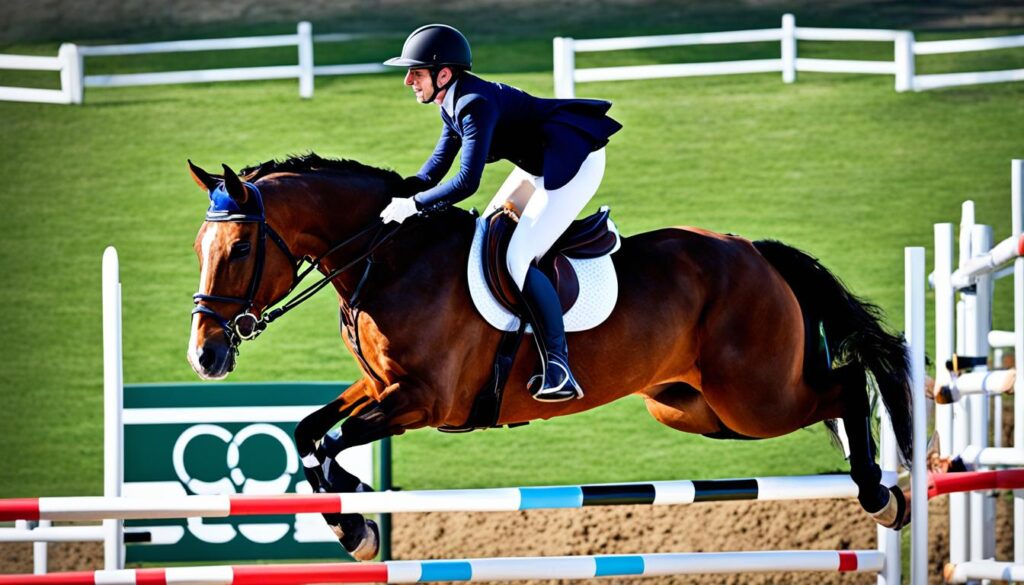
In the dynamic world of equestrian sports, the fence approach and takeoff are critical moments that can make or break a successful jump. Mastering these techniques is essential for both hunters and jumpers to enhance their performance and safety.
The fence approach is all about timing and precision. Riders must carefully adjust their horse’s pace, angle, and distance to the fence to set up for an optimal takeoff.
By maintaining a steady, balanced rhythm and guiding the horse with subtle cues, riders can ensure a smooth and controlled approach.
- Adjust the horse’s pace: Regulate the horse’s speed to match the demands of the fence, neither too fast nor too slow.
- Align the angle: Straighten the horse’s body and maintain a perpendicular angle to the fence for a clean takeoff.
- Manage the distance: Determine the appropriate distance from the fence, allowing the horse to take off at the right moment.
The takeoff is the pivotal moment when the horse leaves the ground. Proper body positioning and timing are crucial for a successful jump. Riders must keep their weight centered, their eyes focused on the landing, and their legs providing steady support to the horse.
- Maintain a secure, balanced seat
- Keep your eyes fixed on the landing zone
- Use your legs to provide a steady, supportive cue
By mastering the fence approach and takeoff, riders in equestrian sports can enhance their overall jumping techniques, improve their performance, and ensure the safety of both horse and rider.
Jumping Techniques for Hunters and Jumpers
In the world of equestrian sports, the distinct disciplines of hunter and show jumping require specialized jumping techniques.
Hunters and jumpers must navigate courses with precision, grace, and a deep understanding of the technical aspects that set their respective styles apart.
Differentiating Hunter and Jumper Styles
Hunter courses emphasize the horse’s jumping technique, style, and way of going, with judges placing a premium on the horse’s form and the overall aesthetic presentation. Conversely, show jumping events focus on speed, power, and the ability to clear fences cleanly, challenging horse and rider to execute a seamless sequence of jumps.
Technical Aspects of Jumping Techniques
- Stride Analysis: Hunters must maintain a consistent, rhythmic pace and stride length, while jumpers often need to adjust their stride to accommodate changing distances and various fence types.
- Fence Approach: Hunters typically approach fences at a more measured pace, while jumpers may opt for a bolder, more direct approach to gain speed and momentum.
- Takeoff and Bascule: Hunters are expected to demonstrate a textbook-perfect bascule, or arc, over the fence, while jumpers prioritize power and efficiency in their takeoff and jump.
Mastering the nuanced jumping techniques required for both hunter courses and show jumping competitions is essential for any aspiring equestrian sports enthusiast.
By understanding the unique demands of each discipline, riders can develop the skills and strategies necessary to excel in the diverse world of competitive jumping techniques.
Course Design and Challenges
In the dynamic world of hunter and show jumping competitions, the design of the course plays a crucial role in challenging riders and their equine partners. Navigating these courses requires a deep understanding of the factors that contribute to their complexity, as well as the ability to adapt various jumping techniques to tackle a wide range of obstacles.
Analyzing Course Complexity
Course designers meticulously plan the placement and nature of obstacles to test the skill and versatility of both horse and rider. Factors such as the type of fences, distances between jumps, and the overall flow of the course all contribute to its level of difficulty.
By closely examining the course layout, riders can anticipate the challenges they may face and develop a strategic approach to tackling each element.
Adapting Techniques for Various Obstacles
Successful performance in hunter and show jumping events requires the ability to adjust one’s jumping techniques to suit the specific challenges presented by the course design.
From navigating tightly spaced hunter courses to clearing towering show jumping obstacles, riders must be adept at modifying their body position, timing, and approach to ensure a smooth and efficient execution.
By understanding the intricacies of course design and the importance of adapting their jumping techniques, riders can enhance their overall performance and increase their chances of success in the competitive arena.
Rider Fitness and Conditioning
As equestrian sports enthusiasts, we know that rider fitness and conditioning play a vital role in maintaining the stamina, strength, and coordination required for effective jumping. Whether you’re competing in hunter or jumper disciplines, a comprehensive fitness regimen can enhance your performance and reduce the risk of injury.
Targeted exercises that focus on the specific muscle groups and physical demands of equestrian sports can make a significant difference in your jumping abilities. By improving your core strength, leg muscles, and overall cardiovascular fitness, you’ll not only feel more confident in the saddle but also better equipped to handle the rigors of challenging courses and obstacles.
Exercises for Rider Fitness
- Core Strengthening: Exercises like planks, crunches, and Pilates-inspired movements can help stabilize your body and improve your balance in the saddle.
- Leg Conditioning: Squats, lunges, and leg presses target the muscle groups used for gripping the horse and maintaining a secure position.
- Cardiovascular Fitness: Activities like running, cycling, or swimming can enhance your endurance and stamina, allowing you to maintain your focus and energy throughout lengthy competitions.
By incorporating these fitness strategies into your training regimen, you’ll not only become a stronger, more capable rider, but you’ll also reduce the risk of injuries that can sideline your equestrian journey. Investing in your physical well-being is an essential part of becoming a well-rounded and successful equestrian athlete.
Horse and Rider Communication
In the world of equestrian sports, the relationship and communication between the horse and rider are paramount to achieving success, particularly in disciplines like jumping. Building a strong partnership and utilizing effective aids and signals is the key to unlocking the full potential of both horse and rider.
Developing a Partnership
Establishing a solid partnership between horse and rider takes time, patience, and a deep understanding of the horse’s body language and behavioral cues. Riders must learn to read their horse’s subtle signals, whether it’s the flick of an ear, the tension in the muscles, or the shift in weight distribution.
By attuning themselves to these nuances, riders can anticipate their horse’s movements and respond accordingly, creating a seamless, synchronized performance.
Effective Use of Aids and Signals
- Leg aids: Riders must develop a refined use of their legs, applying subtle pressure and releases to guide the horse through the jumping course.
- Seat and weight aids: The rider’s seat and weight distribution play a crucial role in maintaining balance and influencing the horse’s movements.
- Rein aids: Delicate adjustments to the rein contact allow the rider to communicate with the horse, providing direction and support during the jump.
By mastering the coordination of these various aids and signals, riders can communicate with their horses in a clear and effective manner, enabling them to navigate the intricate challenges of equestrian sports and jumping techniques with confidence and precision.
Mental Preparation and Confidence
Excelling in equestrian sports, particularly the demanding discipline of jumping, requires more than just physical prowess. Mental preparation and confidence play a crucial role in achieving consistent and successful performances. Riders who master the art of mental preparation can unlock their true potential and navigate the challenges of jumping techniques with grace and poise.
Cultivating a positive mindset is the foundation of mental preparation. Riders must learn to manage their nerves, maintain focus, and visualize successful jumps. Visualization techniques, such as mentally rehearsing the perfect jump, can help riders build confidence and reinforce their jumping techniques.
- Develop a pre-competition routine to calm the mind and body
- Practice mindfulness exercises to stay present and focused
- Embrace a growth mindset, viewing challenges as opportunities for improvement
Confidence is the cornerstone of successful jumping performances. Riders who exude confidence in the saddle are more likely to execute their jumping techniques with precision and control. This confidence is not merely a state of mind but a skill that can be cultivated through consistent practice and positive self-talk.
By mastering the art of mental preparation and building unshakable confidence, riders in equestrian sports can elevate their jumping techniques to new heights. This holistic approach, combining physical and mental skills, is the key to achieving excellence in the thrilling world of hunters and jumpers.
Training and Progression
Achieving mastery in equestrian sports, particularly jumping techniques, requires a well-structured training plan and a commitment to consistent progression. As riders strive to enhance their skills and performance, developing a comprehensive training regimen is essential.
In this section, we will explore the key elements of an effective training plan and the incorporation of targeted drills and exercises to help riders advance their jumping abilities.
Developing a Comprehensive Training Plan
A comprehensive training plan is the foundation for continuous improvement in jumping techniques. Riders should begin by assessing their current skill level, goals, and areas for development.
This informed analysis allows them to create a tailored training program that addresses their specific needs and challenges. By incorporating a balance of flatwork, gymnastic exercises, and jumping practice, riders can systematically build a strong technical foundation and refine their jumping mechanics.
Incorporating Drills and Exercises
Integrating targeted drills and exercises into the training plan is crucial for enhancing jumping techniques. These specialized activities focus on improving specific aspects of the rider’s performance, such as balance, coordination, and leg control. Some effective examples include:
- Cavaletti work to develop rhythm and stride control
- Grid exercises to refine jumping form and technique
- Ground pole exercises to improve balance and weight distribution
- Gymnastics exercises to build core strength and stability
By consistently incorporating these drills and exercises into their training regimen, riders can achieve steady progress and develop a deeper understanding of the nuances of jumping techniques.
Ultimately, the key to successful progression in jumping techniques lies in a well-designed training plan and the diligent incorporation of specialized drills and exercises.
By embracing this structured approach, riders can unlock their full potential, enhance their performance, and ensure a safe and rewarding experience in the world of equestrian sports.
Conclusion
As we conclude this exploration of jumping techniques for hunters and jumpers, we have uncovered the invaluable strategies and insights that can elevate your performance and enhance your overall safety in equestrian sports.
From mastering the proper riding position and balance to navigating intricate course designs, the techniques presented in this article have the power to transform your equestrian journey.
By understanding the nuances that differentiate hunter and jumper disciplines, you can tailor your jumping techniques to achieve greater success in your chosen field. Whether you’re a seasoned competitor or an aspiring equestrian, the knowledge gained from this article can be the catalyst for your continued growth and improvement.
Embrace the principles of stride analysis, fence approach, and effective horse-rider communication to elevate your skills and build a strong partnership with your equine partner. Remain committed to your mental preparation, physical conditioning, and ongoing training, for these elements are the cornerstones of achieving excellence in the dynamic world of jumping.
With these techniques firmly in your arsenal, you are poised to unlock new levels of performance, safety, and the sheer joy that comes from the equestrian experience.
FAQ
What are the fundamental aspects of proper riding position for jumping?
Proper riding position for jumping involves maintaining correct posture, weight distribution, and a secure, independent seat. This helps the rider maintain balance, control, and coordination during the jumping process.
How can stride analysis and course navigation techniques improve jumping performance?
Understanding stride patterns and choosing the appropriate tracks and lines on a course are critical skills for hunters and jumpers. Evaluating stride length and adjusting pace allows riders to navigate obstacles more effectively.
What are the key considerations for the fence approach and takeoff in jumping?
The fence approach and takeoff are crucial moments in the jumping process. Optimizing the fence approach, including adjusting the horse’s pace, angle, and distance, and maintaining proper body positioning and timing during the takeoff, are essential for a safe and successful jump.
How do the jumping techniques differ between hunters and jumpers?
Hunters and jumpers employ distinct jumping styles and techniques to meet the specific requirements of their respective disciplines. Understanding these nuanced differences is essential for navigating hunter courses and show jumping competitions effectively.
What role does course design play in adapting jumping techniques?
Course design and complexity can significantly impact the jumping techniques required. Analyzing course factors, such as obstacle type, placement, and related distances, allows riders to adapt their techniques to handle a wide range of challenges.
How can rider fitness and conditioning enhance jumping performance?
A comprehensive fitness regimen targeting the specific muscle groups and physical demands of equestrian sports can improve stamina, strength, and coordination, which are essential for effective jumping. Proper conditioning can also help reduce the risk of injury.

I’m Fredson Smith, a dedicated researcher at Dincards, passionate about exploring and sharing the diverse world of equines with our readers.