
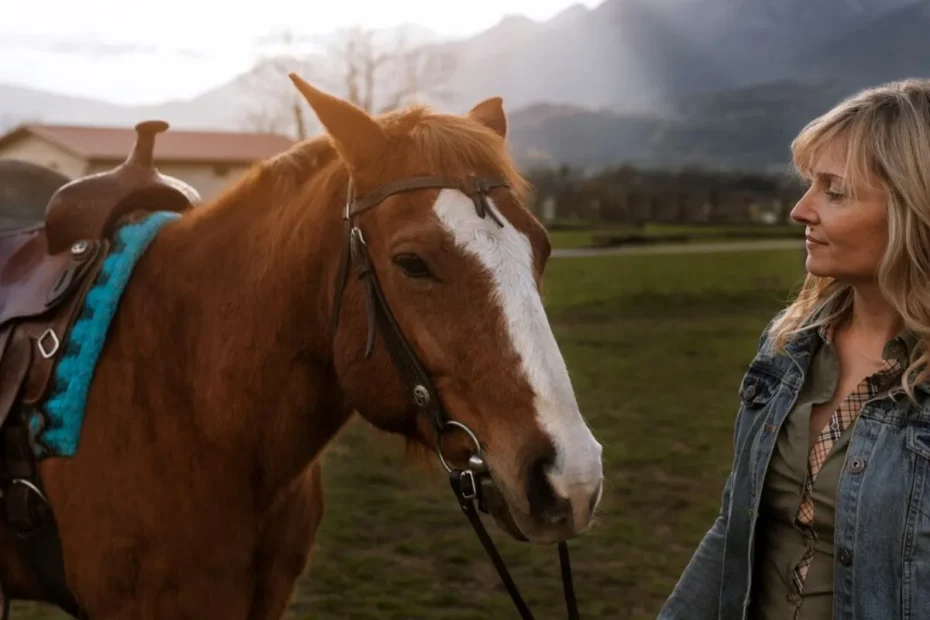
Proper mounting and dismounting techniques are essential for any equestrian, whether you’re a beginner or an experienced rider. These skills not only ensure your safety but also contribute to the overall comfort and well-being of your horse.
In this comprehensive article, we’ll explore the importance of mastering these techniques, provide step-by-step guidance, and offer expert advice to help you build confidence and reduce the risk of accidents while on the saddle.
Key Takeaways
- Proper mounting and dismounting techniques are crucial for ensuring your safety and the horse’s well-being.
- Mastering these skills can help prevent injuries and accidents, laying a strong foundation for your horseback riding experience.
- Understanding the importance of preparing for safe mounting, including checking equipment and surroundings, is essential.
- Developing muscle memory and confidence through regular practice is key to executing proper mounting and dismounting techniques.
- Adapting techniques for different riding disciplines and catering to the needs of both beginner and experienced riders is important.
Understanding the Importance of Proper Mounting and Dismounting
Proper mounting and dismounting techniques are not just about looking graceful on horseback. They are essential for the safety and well-being of both the rider and the horse.
Improper techniques can lead to injuries, accidents, and even damage to the horse, making it crucial for equestrians of all skill levels to master these fundamental skills.
Preventing Injuries and Accidents
Mounting and dismounting a horse incorrectly can put undue stress on the rider’s body, leading to sprains, strains, or even broken bones.
Similarly, if a horse is startled or reacts unexpectedly during the process, it can result in dangerous situations for both the rider and the animal. Adopting the right Proper Mounting and Dismounting Techniques helps mitigate these risks and ensures a safer riding experience.
Building a Strong Foundation for Horseback Riding
In addition to enhancing horse safety, proper mounting and dismounting techniques are the building blocks of becoming a proficient equestrian. By mastering these skills, beginner riders can develop a strong foundation that will serve them well as they progress in their Equestrian Training.
For experienced riders, maintaining good habits in this area can help them continue to ride with confidence and control.
Remember, the journey to becoming a skilled and confident horseback rider begins with the simple yet essential act of getting on and off your horse. By prioritizing the development of proper mounting and dismounting techniques, you’ll be well on your way to a safer, more enjoyable, and more successful horseback riding experience.
Preparing for Safe Mounting
Before you even approach the horse, it’s crucial to ensure that both you and your horse are properly prepared for the Proper Mounting and Dismounting Techniques. This includes carefully checking your equipment and the surrounding environment to identify any potential Horse Safety hazards or obstacles.
Checking Equipment and Surroundings
Start by inspecting your Mounting Block and ensuring it is stable and secure. Next, carefully examine the saddle and stirrups, making sure they are properly adjusted and in good condition.
Take a moment to walk around the area, scanning for any objects or terrain that could interfere with your Horse Handling during the mounting process.
- Ensure the Mounting Block is stable and secure
- Inspect the saddle and stirrups for proper fit and condition
- Scan the surrounding area for potential hazards or obstacles
By taking the time to thoroughly prepare your equipment and environment, you can minimize the risk of accidents and ensure a smooth and safe mounting experience for both you and your horse.
Step-by-Step Guide to Proper Mounting Techniques
Proper mounting techniques are crucial for ensuring the safety and comfort of both the rider and the horse. In this section, we’ll provide a detailed step-by-step guide to help you master the art of mounting your equine companion with ease and confidence.
Whether you’re a beginner or an experienced rider, paying attention to the proper Mounting Techniques can make a significant difference in your overall riding experience. By following these guidelines, you’ll not only improve your Equestrian Training but also establish a stronger bond with your horse.
- Approach the Horse: Start by standing next to the horse’s left shoulder, facing the rear of the animal. Ensure that the horse is standing still and calm, and that the area around you is clear of any obstacles.
- Adjust the Stirrup: Check the length of the stirrup and adjust it to a comfortable height, allowing your leg to easily reach the stirrup when mounting.
- Grasp the Reins: Take hold of the reins with your left hand, ensuring a firm grip while keeping the horse’s head steady.
- Use the Mounting Block: If available, position the mounting block or a sturdy platform next to the horse’s left side. This will help you gain the necessary height to easily swing your leg over the saddle.
- Swing Your Leg: With your right hand on the saddle, swing your right leg up and over the horse’s back, gently lowering yourself into the saddle.
By following these Proper Mounting and Dismounting Techniques, you’ll be well on your way to mastering the art of mounting your horse safely and comfortably. Remember, regular practice and attention to detail are key to developing muscle memory and confidence in your Riding Lessons.
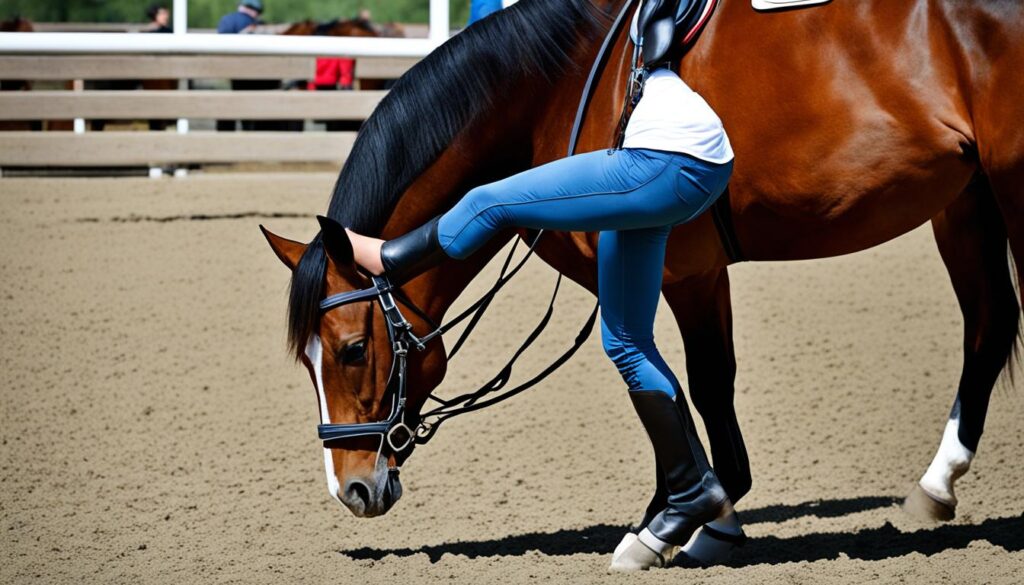
Proper Mounting and Dismounting Techniques
Proper mounting and dismounting techniques are the foundation of safe and confident horseback riding. Mastering these essential skills can make all the difference in your equestrian journey, ensuring both your safety and the well-being of your horse.
Mastering the Art of Mounting with Confidence
Mounting a horse with grace and ease is an art form that requires practice and technique. By understanding the proper steps and developing muscle memory, you can approach the horse with confidence and seamlessly swing your leg over the saddle. This not only enhances your riding experience but also helps to build a stronger bond with your equine partner.
Developing Muscle Memory for Safe Mounting
Consistent practice is the key to developing the muscle memory necessary for safe mounting. Through repetition and attention to detail, you’ll train your body to execute the mounting process with efficiency and control. This muscle memory will become invaluable, allowing you to mount your horse with ease, even in more challenging situations.
To help you develop these essential skills, we’ve compiled a list of tips for proper mounting and dismounting techniques:
- Approach the horse from the left side, standing parallel to the horse’s shoulder.
- Ensure the stirrup is adjusted to the appropriate length for your height and comfort.
- Place your left hand on the saddle’s pommel or near the horse’s withers for support.
- Grasp the reins in your right hand, maintaining control of the horse.
- Using your left foot, step into the stirrup and push off the ground, swinging your right leg over the saddle.
- Gently settle into the saddle, ensuring your weight is evenly distributed.
By mastering these proper mounting techniques, you’ll build the confidence and muscle memory needed to approach your horse with ease and grace, setting the stage for a safe and enjoyable riding experience.
Dismounting Safely and Gracefully
Proper Mounting and Dismounting Techniques are crucial for ensuring the safety and comfort of both the rider and the horse. Just as important as mounting your equine partner, dismounting requires equal care and attention. In this section, we’ll explore the techniques for dismounting safely and gracefully, as well as how to avoid common mistakes that can lead to injuries or discomfort.
Avoiding Common Dismounting Mistakes
One of the most common mistakes when dismounting is rushing the process or not maintaining proper form. This can result in an unbalanced landing or, even worse, a fall. To avoid these issues, it’s essential to follow a step-by-step approach and maintain control throughout the dismount.
- Ensure the horse is standing still and calm before initiating the dismount.
- Gently slide your right leg over the horse’s back, keeping your weight centered.
- Slowly lower yourself down, using the stirrup or the horse’s mane for support if needed.
- Land with both feet firmly on the ground, keeping your knees slightly bent to absorb the impact.
- Avoid jumping or dropping down, as this can strain your joints and unnerve the horse.
By mastering these Dismounting Techniques, you’ll be able to dismount with confidence and grace, ensuring the safety and comfort of both you and your equine partner.
Proper Mounting and Dismounting Techniques are essential for Equestrian Training and Riding Lessons, as they not only promote Horse Safety but also build a strong foundation for successful and enjoyable horseback riding experiences.
Adapting Techniques for Different Riding Disciplines
Horseback riding encompasses a diverse range of disciplines, each with its own unique requirements and nuances. When it comes to Proper Mounting and Dismounting Techniques, it’s essential to adapt your approach to suit the specific demands of the riding style you’re engaging in.
Whether you’re participating in dressage, show jumping, or endurance riding, understanding how to adjust your Equestrian Training and Horseback Riding Skills can make a significant difference in your safety, comfort, and overall performance.
In dressage, for instance, a more refined and controlled mounting and dismounting technique is often required to maintain the horse’s poise and balance. Conversely, in show jumping, a quicker and more dynamic approach may be necessary to accommodate the demands of the sport.
For endurance riding, where distance and stamina are key, efficient and energy-conserving mounting and dismounting methods can help you and your horse go the extra mile. By mastering these adaptations, you’ll be able to seamlessly transition between various Riding Disciplines while maintaining safe and comfortable practices.
Incorporating Discipline-Specific Techniques
- Understand the unique requirements of each riding discipline, such as dressage, show jumping, or endurance riding.
- Adapt your Proper Mounting and Dismounting Techniques to suit the specific demands of the activity.
- Practice discipline-specific mounting and dismounting methods to build muscle memory and confidence.
- Consult with experienced equestrians or your instructor to learn the best techniques for your chosen riding discipline.
By tailoring your Proper Mounting and Dismounting Techniques to the various Riding Disciplines, you’ll not only enhance your Equestrian Training and Horseback Riding Skills, but also ensure your safety and comfort on the saddle, no matter the activity.
Tips for Beginner Riders
As a beginner rider, mastering the proper mounting and dismounting techniques can be a daunting task. However, with the right approach and guidance, you can build the confidence and trust needed to navigate the equestrian world safely and comfortably. In this section, we’ll explore practical tips to help you establish a strong foundation for your riding journey.
Establish a Positive Bond with Your Horse
Developing a positive relationship with your horse is essential for building confidence. Spend time grooming, feeding, and interacting with your horse before and after your rides. This will help you become more comfortable around the animal and foster a sense of trust and understanding.
Start Slow and Steady
When it comes to mounting and dismounting, it’s crucial to take things at your own pace. Don’t feel rushed to progress too quickly. Proper Mounting and Dismounting Techniques take time and practice to master, so be patient with yourself and your horse. Celebrate small victories and don’t be afraid to ask for guidance from your Equestrian Training instructor.
Prioritize Safety
- Always wear the appropriate Horse Safety gear, such as a helmet, riding boots, and gloves.
- Ensure your tack and equipment are in good condition and properly fitted to your horse.
- Be mindful of your surroundings and potential hazards when mounting and dismounting.
By focusing on these fundamental aspects of Riding Lessons, you’ll lay the groundwork for a successful and enjoyable equestrian journey. Remember, the journey is just as important as the destination, so embrace the learning process and have fun along the way.
Advanced Techniques for Experienced Riders
As experienced riders, we often think we’ve mastered the basics of proper mounting and dismounting techniques. However, there’s always room for improvement, and fine-tuning these skills can significantly enhance our horseback riding skills and overall equestrian training.
In this section, we’ll explore advanced strategies that can help seasoned experienced riders take their mounting and dismounting techniques to new heights. Whether it’s fine-tuning your balance, developing quicker reflexes, or adapting to different horse sizes and temperaments, these tips will empower you to ride with greater confidence and efficiency.
Mastering Balance and Stability
Experienced riders understand the importance of maintaining balance and stability during mounting and dismounting. Take your skills to the next level by focusing on the following techniques:
- Strengthening core muscles to improve overall balance and control
- Practicing “one-handed” mounting and dismounting to develop better coordination
- Experimenting with different foot placement and body positioning to find your optimal stance
Adapting to Horse Variations
Not all horses are created equal, and experienced riders must be able to adapt their mounting and dismounting techniques to accommodate different horse sizes, temperaments, and behavior. Consider these strategies:
- Developing a keen eye for assessing a horse’s current mood and adjusting your approach accordingly
- Practicing mounting and dismounting from horses of varying heights to build versatility
- Mastering the art of “quick mounts” for times when the horse is feeling restless or impatient
By incorporating these advanced techniques into your equestrian training, you’ll elevate your horseback riding skills and ride with greater confidence and control, regardless of the situation.
The Role of Proper Mounting and Dismounting in Horse Training
Proper Proper Mounting and Dismounting Techniques are not just essential for the rider’s safety and comfort, but they also play a vital role in the overall Horse Training and well-being of the horse.
Mastering these techniques can positively impact a horse’s behavior, trust, and responsiveness, ultimately contributing to its successful Equestrian Training and development.
When a rider approaches a horse with confidence and uses the correct Horse Handling methods, it helps establish a foundation of trust and communication. This trust is crucial for the horse’s willingness to cooperate during training sessions and everyday interactions.
- Proper mounting and dismounting techniques demonstrate the rider’s control and respect for the horse’s personal space.
- Consistent and gentle Proper Mounting and Dismounting Techniques can help the horse feel more at ease and less anxious during the process.
- Mastering these techniques can also improve the horse’s overall responsiveness to cues and commands, as the horse learns to associate positive experiences with the mounting and dismounting process.
By prioritizing Proper Mounting and Dismounting Techniques in their Horse Training regimen, riders can build a stronger bond with their horses and create a more harmonious and successful Equestrian Training experience.
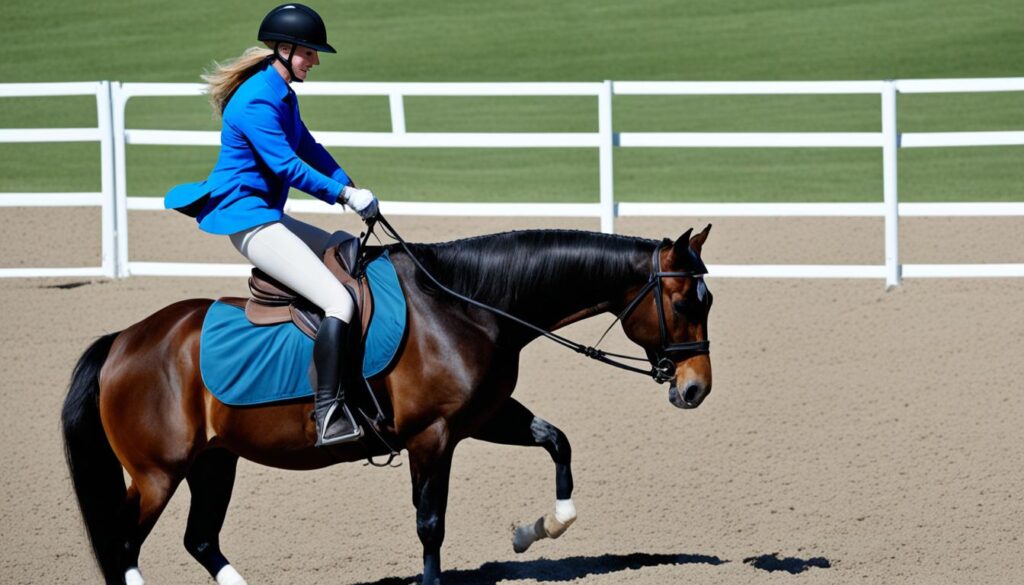
Maintaining Safety and Comfort Through Regular Practice
Mastering the proper mounting and dismounting techniques is an ongoing process that requires regular practice and dedication. By making safety and comfort a top priority, you’ll be able to enjoy your horseback riding experience to the fullest.
Consistent equestrian training is the key to maintaining your riding skills and ensuring a safe and comfortable ride for both you and your horse. Regular practice not only helps you refine your mounting and dismounting techniques, but it also builds muscle memory and enhances your overall confidence in the saddle.
Whether you’re a beginner or an experienced rider, it’s important to incorporate regular practice sessions into your routine. This will not only help you stay sharp but also allow you to identify and address any areas that need improvement.
Remember, proper mounting and dismounting is not just about technique; it’s about cultivating a strong partnership with your horse. By practicing these skills regularly, you’ll build trust, communication, and a deeper understanding of your equine companion.
So, make a commitment to yourself and your horse to prioritize safety and comfort through regular practice. Your dedication will pay off in the form of a more enjoyable and fulfilling horseback riding experience.
Conclusion
In the end, proper mounting and dismounting techniques are essential for ensuring the safety and comfort of both the rider and the horse. By following the guidance and techniques outlined in this comprehensive article, you’ll be well on your way to developing the confidence and skills needed to navigate the saddle with ease and grace.
Remember, consistent practice and a commitment to safety are the keys to a successful and enjoyable equestrian journey.
Mastering the art of Proper Mounting and Dismounting Techniques is not only crucial for Horse Safety, but it also lays the foundation for exceptional Equestrian Training and refined Horseback Riding Skills. Whether you’re a beginner or an experienced rider, this article has provided you with the essential tools and knowledge to elevate your equestrian experience to new heights.
As you continue your equestrian journey, embrace the importance of proper mounting and dismounting, and make it a cornerstone of your riding practice. With dedication and a steadfast focus on safety, you’ll be well on your way to becoming a confident, skilled, and respected rider within the equestrian community.
FAQ
What are the key benefits of learning proper mounting and dismounting techniques?
Developing proper mounting and dismounting techniques is crucial for ensuring the safety and comfort of both the rider and the horse. These techniques help prevent injuries, accidents, and damage to the horse, while also building a strong foundation for your overall horseback riding abilities.
How can I prepare for safe mounting?
Before approaching the horse, it’s important to check your equipment, such as the saddle and stirrups, and the surrounding environment for any potential hazards or obstacles. This helps ensure a safe and smooth mounting process.
What are the steps for proper mounting techniques?
The key steps for proper mounting include positioning your body correctly, using a mounting block effectively, and executing a smooth, controlled movement to swing your leg over the saddle. Practicing these techniques can help you mount your horse safely and confidently.
How can I ensure safe and graceful dismounting?
Proper dismounting techniques involve carefully positioning your body, maintaining control, and gently lowering yourself to the ground. Avoiding common mistakes, such as jumping or sliding off the horse, can help prevent injuries and ensure a comfortable dismount for both you and the horse.
How do mounting and dismounting techniques vary for different riding disciplines?
The specific mounting and dismounting techniques may need to be adapted to suit the requirements of different riding disciplines, such as dressage, show jumping, or endurance riding. Understanding these adaptations can help you seamlessly transition between various equestrian activities.
What tips can you provide for beginner riders when it comes to mounting and dismounting?
For beginner riders, it’s important to focus on building confidence and trust with your horse, as well as mastering the fundamental mounting and dismounting techniques. This lays a strong foundation for your future equestrian journey.

I’m Fredson Smith, a dedicated researcher at Dincards, passionate about exploring and sharing the diverse world of equines with our readers.