
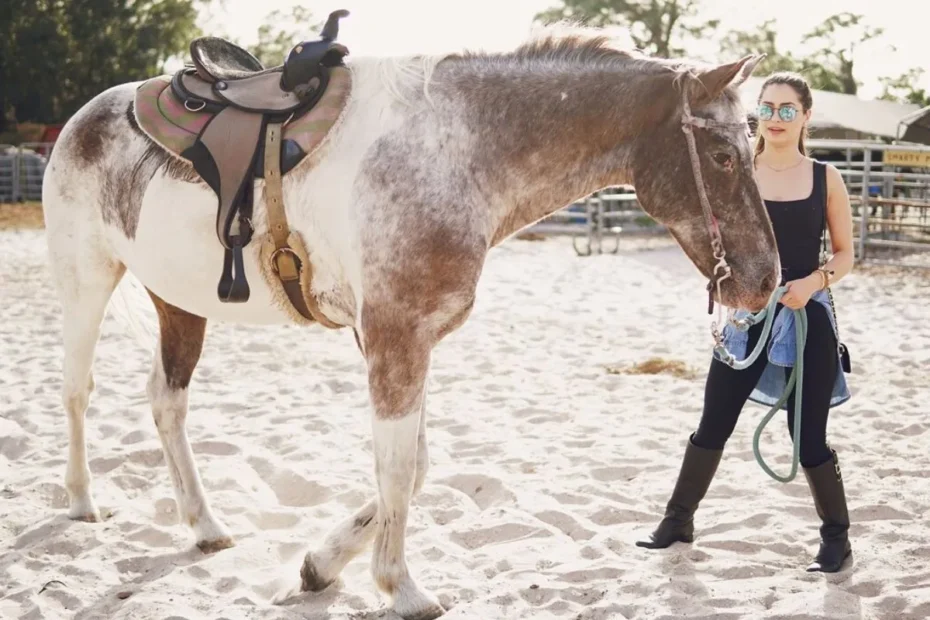
Colic, a common and potentially life-threatening condition affecting horses, is a serious concern for equine owners and caretakers. By understanding the early warning signs of colic, you can take proactive steps to prevent complications and safeguard the health and well-being of your equine companion.
This comprehensive guide will explore the essential information you need to recognize the behavioral and physical indicators of colic, empowering you to act quickly and effectively in the face of this critical equine health issue.
Key Takeaways
- Recognizing the early signs of colic in horses is crucial for timely intervention and prevention of complications.
- Understanding the equine digestive system and the different types of colic can help horse owners and caretakers identify potential issues.
- Monitoring changes in horse behavior, such as restlessness, unusual postures, and signs of distress, can provide early warning signals of colic.
- Paying attention to physical symptoms, including abdominal discomfort, changes in vital signs, and digestive function, can also indicate the onset of colic.
- Implementing preventive strategies, such as proper nutrition, hydration, and management practices, can help reduce the risk of colic in horses.
What is Colic in Horses?
Colic is a general term used to describe abdominal pain in horses, which can be caused by a variety of underlying issues affecting the horse’s equine digestive health.
Understanding the complex nature of the horse’s digestive system and the different types of colic in horses is crucial for recognizing and addressing this condition effectively.
Understanding the Equine Digestive System
Horses have a unique and intricate digestive system, which is designed to process a predominantly forage-based diet.
This complex system includes the mouth, esophagus, stomach, small intestine, cecum, and large intestine, each playing a vital role in the efficient breakdown and absorption of nutrients.
Types of Colic in Horses
- Spasmodic Colic – Caused by painful spasms in the intestines, often due to dietary changes or stress.
- Impaction Colic – Occurs when there is a blockage or obstruction in the horse’s digestive tract, typically from a buildup of feed or sand.
- Gas Colic – Caused by excessive gas accumulation in the intestines, which can be a result of dietary changes or other digestive issues.
- Displacement Colic – Happens when the horse’s intestines become twisted or displaced, often requiring immediate veterinary attention.
Recognizing the different types of colic in horses and understanding their underlying causes is essential for effective prevention and management strategies.
Recognizing Early Signs of Colic in Horses
Identifying the early signs of colic in horses is crucial for prompt veterinary intervention and effective management of this potentially life-threatening condition. By being attentive to changes in your horse’s behavior and physical symptoms, you can recognize the early signs of colic and take immediate action to address the issue.
One of the first signs of colic in horses is a change in their normal behavior. Horses with colic may become restless, repeatedly pawing the ground, or attempting to lie down and roll. They may also exhibit unusual postures, such as standing with their legs stretched out or repeatedly looking back at their flanks.
- Restlessness and pawing the ground
- Unusual postures and movements
- Repeatedly looking back at their flanks
In addition to behavioral changes, physical symptoms can also indicate the onset of colic. Horses with colic may show signs of abdominal discomfort, such as kicking or biting at their belly, and their vital signs may change, with a higher heart rate or decreased gut sounds.
- Abdominal discomfort and pain
- Changes in vital signs, such as elevated heart rate or decreased gut sounds
Recognizing these early signs of colic in horses is essential for ensuring prompt veterinary care and minimizing the risk of complications. By being vigilant and acting quickly, you can help your horse receive the necessary treatment and increase their chances of a full recovery.
Behavioral Changes in Colicky Horses
Monitoring your horse’s behavior is crucial for detecting the early stages of colic, a potentially life-threatening condition in equines.
By recognizing subtle changes in your horse’s mannerisms, you can identify signs of distress and seek prompt veterinary attention, increasing the chances of a successful recovery.
Restlessness and Pawing
One of the earliest indicators of colic in horses is restlessness. Colicky horses may exhibit increased pacing, frequent lying down and getting up, or incessant pawing at the ground. These behaviors suggest abdominal discomfort and can be a precursor to more severe symptoms.
Unusual Postures and Movements
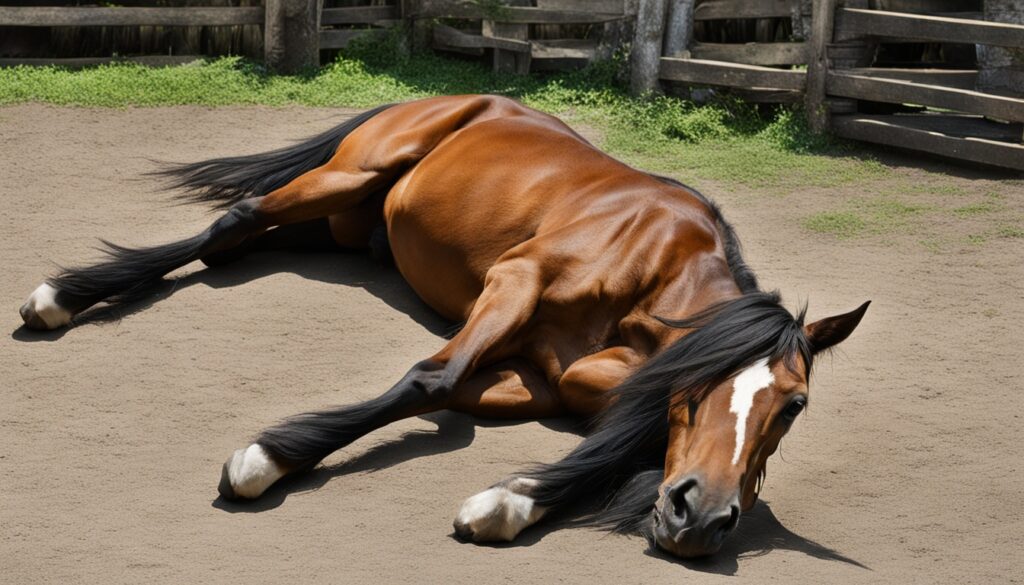
Horses experiencing colic may also adopt unusual postures or exhibit abnormal movements. They may stand with their legs stretched out, curl their upper lip, or repeatedly look back towards their abdomen. Some horses may even attempt to roll, which can indicate intense abdominal pain and the need for immediate medical intervention.
By being attuned to these horse behavior changes and signs of distress, horse owners can play a crucial role in the early detection and management of colic symptoms. Recognizing these behavioral shifts can help prevent the escalation of the condition and improve the chances of a favorable outcome for the horse.
Physical Symptoms of Colic in Horses
Recognizing the physical symptoms of colic in horses is crucial for prompt diagnosis and treatment. Beyond behavioral changes, horses exhibiting colic symptoms may also display signs of abdominal discomfort and pain, as well as changes in their vital signs.
Abdominal Discomfort and Pain
Horses experiencing colic may show physical signs of abdominal distress, such as:
- Repeatedly looking or turning towards their abdomen
- Repeatedly kicking or biting at their belly
- Laying down and rolling frequently
- Refusing to lie down, even when seemingly in discomfort
These behaviors indicate that the horse is experiencing abdominal pain and discomfort, a hallmark of colic.
Changes in Vital Signs
In addition to behavioral changes, signs of distress in horses with colic may also include the following changes in vital signs:
| Vital Sign | Normal Range | Colic Symptoms |
|---|---|---|
| Heart Rate | 28-40 beats per minute | Elevated, often over 60 beats per minute |
| Respiratory Rate | 8-15 breaths per minute | Increased, often over 20 breaths per minute |
| Temperature | 99-101°F (37.2-38.3°C) | May be slightly elevated |
| Gut Sounds | Steady, regular rumbling | Reduced or absent |
By recognizing both the behavioral and physical colic symptoms in horses, owners and caretakers can quickly identify when a horse is in distress and seek prompt veterinary care.
Equine Digestive Health and Colic Prevention
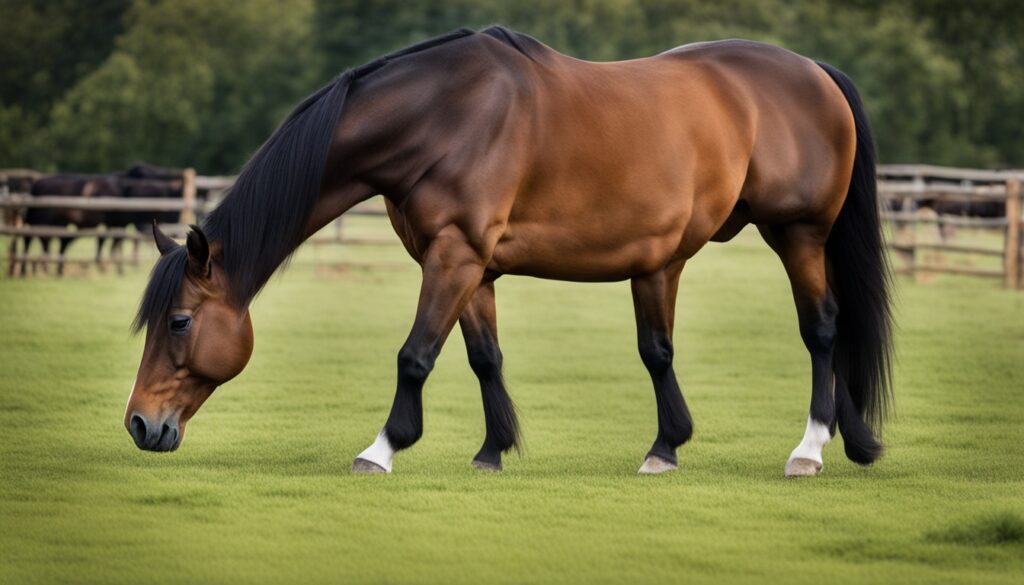
Maintaining optimal equine digestive health is a key factor in reducing the risk of colic in horses. By providing a balanced diet, ensuring proper hydration, and adhering to feeding schedules, horse owners can take proactive steps to prevent this potentially life-threatening condition.
Proper Nutrition and Hydration
A well-balanced diet that meets the nutritional needs of the horse is essential for maintaining a healthy digestive system. This includes:
- Providing a forage-based diet with high-quality hay or pasture
- Supplementing with appropriate grains and concentrates as needed
- Ensuring access to clean, fresh water at all times
- Adhering to a consistent feeding schedule
Proper hydration is also crucial in colic prevention. Horses should have access to clean, fresh water at all times, and their water intake should be monitored, especially during hot or dry weather conditions, when they may require additional hydration.
By maintaining a healthy equine digestive system through a balanced diet and proper hydration, horse owners can significantly reduce the colic risk factors and help prevent this potentially devastating condition.
| Nutrient | Recommended Daily Intake | Importance for Colic Prevention |
|---|---|---|
| Forage (hay or pasture) | 1.5-2.5% of body weight | Maintains normal gut function and motility |
| Water | 8-12 gallons per day | Prevents dehydration and impaction colic |
| Electrolytes | Varies based on exercise, climate, etc. | Maintains fluid balance and hydration |
Colic Risk Factors in Horses
Colic, a common and potentially life-threatening condition in horses, can be influenced by various risk factors. Understanding these factors is crucial for horse owners and caretakers to implement effective preventive measures and safeguard the health of their equine companions.
Age and Breed Considerations
Colic risk can be influenced by a horse’s age and breed. Older horses may be more susceptible to certain types of colic, such as impaction or displacement, due to changes in their digestive system.
Additionally, some breeds, like Arabians and Thoroughbreds, have been shown to have a higher predisposition to colic compared to other breeds.
Environmental and Management Factors
- Sudden changes in diet or feeding schedules can disrupt the delicate balance of the equine digestive system and increase the risk of colic.
- Inadequate hydration and limited access to fresh water can lead to dehydration and impaction, which are common causes of colic.
- Stressful environmental conditions, such as changes in housing, transportation, or stall confinement, can also contribute to the development of colic.
- Improper management practices, like lack of regular deworming or insufficient exercise, can negatively impact equine digestive health and increase the risk of colic.
By recognizing these colic risk factors, horse owners and caretakers can take proactive steps to mitigate the risks and maintain optimal equine digestive health.
Implementing appropriate management strategies, such as careful dietary monitoring, ensuring adequate hydration, and providing regular veterinary care, can significantly improve the likelihood of preventing colic in horses.
Horse Behavior and Early Detection
Observing and understanding the nuances of horse behavior can be a powerful tool in the early detection of colic. By paying close attention to the changes in a horse’s demeanor and movements, owners and caretakers can often spot the early signs of this potentially life-threatening condition, allowing for prompt intervention and management.
Horses are highly sensitive creatures, and their behavior can provide valuable clues about their overall health and wellbeing. When a horse is experiencing the onset of colic, they may exhibit a range of behaviors that signal distress or discomfort.
Recognizing these horse behavior changes can be the key to identifying colic symptoms early on and taking the necessary steps to address the issue before it escalates.
Subtle Shifts in Behavior
One of the first signs of colic in horses may be a subtle shift in their normal behavior. A horse that is typically calm and docile may become restless, repeatedly pawing the ground or circling their stall.
This restlessness and pawing can be an early indicator of abdominal discomfort or pain, prompting the need for closer observation and potential veterinary intervention.
Additionally, a horse in the early stages of colic may adopt unusual postures or movements, such as:
- Lying down more frequently or for longer periods
- Kicking or biting at their abdomen
- Repeatedly looking back at their flanks
Theseunusual postures and movementscan signal that the horse is experiencingsigns of distressand may require immediate attention to address the underlying colic condition.
| Behavioral Changes | Description |
|---|---|
| Restlessness and Pawing | Repeatedly pacing, circling, or pawing the ground, indicating abdominal discomfort. |
| Unusual Postures and Movements | Lying down more frequently, kicking or biting at the abdomen, and repeatedly looking back at the flanks. |
By closely observing and recognizing these horse behavior changes, owners and caretakers can take proactive steps to address the signs of distress in horses and potentially prevent the escalation of a colic episode. Early detection and prompt action are crucial in managing this serious equine health issue.
Signs of Distress in Colicky Horses
Recognizing the early signs of distress in horses can be crucial for identifying and addressing colic, a potentially life-threatening condition. Two key indicators that a horse may be experiencing the onset of colic are excessive sweating and an elevated heart rate.
Excessive sweating, known as diaphoresis, is often one of the first physical signs that a horse is in discomfort. A colicky horse may sweat profusely, even in cool or moderate weather conditions, as their body reacts to the abdominal pain and discomfort. This increased sweating can be a clear indicator that the horse is experiencing distress.
Along with excessive sweating, an elevated heart rate is another common sign of colic in horses. A healthy horse at rest typically has a heart rate between 30-40 beats per minute. However, a colicky horse may exhibit a significantly higher heart rate, often reaching 60-80 beats per minute or even higher. This rapid pulse can be a telltale sign that the horse is in distress and requires immediate attention.
| Symptom | Description |
|---|---|
| Sweating | Excessive, profuse sweating, even in cool or moderate weather |
| Heart Rate | Significantly elevated, often reaching 60-80 beats per minute or higher |
By being vigilant and recognizing these signs of distress in horses, owners and caretakers can take prompt action to address the underlying issue and prevent further complications from colic. Early intervention is key to ensuring the health and well-being of our equine companions.
Colic Symptoms: When to Call the Vet
Recognizing the early signs of colic in horses is crucial, as prompt veterinary attention can mean the difference between a swift recovery and a life-threatening situation. As horse owners, knowing when to contact an emergency veterinarian is a critical part of colic prevention and management.
If your horse is exhibiting any of the following colic symptoms, it’s time to make that call and get your equine companion the care they need:
- Persistent restlessness and pawing
- Unusual postures or movements, such as lying down and rolling
- Abdominal discomfort and pain, expressed through behaviors like stretching, kicking at the belly, or refusing to eat
- Changes in vital signs, including an elevated heart rate, rapid breathing, or a drop in body temperature
These colic symptoms, if left unattended, can quickly escalate into a life-threatening emergency. Calling your veterinarian at the first sign of trouble can help them diagnose the underlying cause and provide the necessary treatment to get your horse back on the road to recovery.
| Colic Symptom | Potential Cause | Recommended Action |
|---|---|---|
| Restlessness and pawing | Abdominal discomfort | Contact your veterinarian immediately |
| Unusual postures or movements | Intestinal blockage or twisting | Contact your veterinarian immediately |
| Abdominal pain and discomfort | Gastrointestinal issues | Contact your veterinarian immediately |
| Changes in vital signs | Severe colic or other health concerns | Contact your veterinarian immediately |
Acting quickly when you notice colic symptoms can greatly improve your horse’s chances of a full recovery. Don’t hesitate to call your veterinarian – their prompt and expert care can be the key to ensuring your equine companion’s well-being.
Emergency Veterinary Care for Colic
When it comes to equine emergency veterinary care, few conditions are as critical as colic. Colic is a medical emergency that requires prompt veterinary intervention to improve the horse’s prognosis and prevent potentially life-threatening complications.
Importance of Prompt Treatment
Recognizing the early signs of colic and seeking immediate professional help can make all the difference in the world. Delaying emergency veterinary care can lead to the condition worsening, potentially resulting in more invasive and costly treatments, or even the loss of the horse.
Horses with colic require a comprehensive examination by an experienced equine veterinarian to determine the underlying cause and develop an appropriate treatment plan.
Depending on the severity and type of colic, the veterinarian may recommend various interventions, such as pain medication, fluid therapy, or even surgical procedures in more severe cases.
| Colic Type | Typical Symptoms | Recommended Treatment |
|---|---|---|
| Simple Impaction Colic | Mild abdominal discomfort, decreased manure production | Fluid therapy, laxatives, and anti-inflammatory medications |
| Displacement or Torsion Colic | Severe abdominal pain, rapid heart rate, sweating | Immediate surgical intervention to correct the displacement or torsion |
| Enteritis or Colitis | Diarrhea, fever, dehydration | Fluid therapy, antibiotics, and anti-inflammatory medications |
By acting quickly and seeking emergency veterinary care for a horse showing signs of colic, owners can greatly improve their chances of a successful outcome and a full recovery for their beloved equine companion.
Equine Colic Management and Recovery
Effective equine colic management is crucial for the well-being of horses. When a horse experiences colic, a comprehensive approach is required to address the underlying cause, provide appropriate treatment, and implement preventive measures to reduce the risk of future episodes.
This section outlines the key aspects of colic management and the steps horse owners can take to help their equine companions recover and maintain their overall digestive health.
The first step in managing colic is to identify the root cause. Colic risk factors such as age, breed, and environmental factors can provide valuable insights into the potential triggers. Once the cause is determined, the veterinarian can recommend the appropriate treatment plan, which may include pain medication, fluid therapy, or even surgical intervention in severe cases.
- Prompt Veterinary Attention: Seek immediate veterinary care when a horse shows signs of colic. Early detection and treatment are crucial for the horse’s recovery.
- Supportive Care: Provide the horse with a quiet, stress-free environment and monitor their vital signs closely during the recovery process.
- Dietary Adjustments: Gradual changes to the horse’s diet, focusing on easily digestible and fiber-rich foods, can help support the recovery of the digestive system.
- Exercise Management: Carefully reintroduce gentle exercise as the horse’s condition improves, but avoid overexertion during the recovery period.
- Preventive Measures: Implement long-term strategies, such as regular deworming, proper stable management, and appropriate feeding practices, to reduce the risk of future colic episodes.
By understanding the principles of equine colic management and taking a proactive approach to supporting the horse’s recovery, horse owners can help their equine companions regain their health and well-being.
With the right care and attention, most horses can make a full recovery from colic and resume their normal routines.
Abdominal Pain Indicators in Horses
Recognizing the early signs of colic in horses is crucial for their well-being and timely veterinary intervention. Among the valuable indicators of abdominal pain, closely monitoring a horse’s manure production and digestive sounds can provide invaluable insights into their equine digestive health.
Monitoring Manure and Digestive Sounds
Horse owners should pay close attention to any changes in their horse’s manure. A decrease in the frequency or volume of bowel movements, as well as changes in the consistency or color of the manure, can signal digestive distress and potential colic symptoms.
Additionally, horse owners should listen for any abnormal digestive sounds, such as decreased or absent gut sounds, which may indicate a blockage or other gastrointestinal issues.
By staying vigilant and observing these subtle changes in their horse’s equine digestive health, owners can detect potential colic issues early on and take appropriate action to address the problem before it escalates.
| Manure Observations | Digestive Sound Changes |
|---|---|
|
|
By closely monitoring these key indicators, horse owners can take proactive steps to address any potential issues and ensure the ongoing health and well-being of their equine companions.
Horse Colic Prevention Strategies
Implementing effective prevention strategies is essential for minimizing the risk of colic in horses. By focusing on proper pasture and stable management, as well as incorporating regular exercise and deworming programs, horse owners can significantly improve their equine’s digestive health and reduce the likelihood of colic occurrences.
Pasture and Stable Management
Maintaining a clean, well-managed environment is crucial for colic prevention. Ensure that your horse’s pasture and stable are free of debris, with adequate access to fresh water and high-quality forage. Regularly monitor and adjust the grazing area to prevent overgrazing, which can lead to digestive issues.
Additionally, proper bedding maintenance and timely removal of soiled bedding can help maintain a healthy, low-stress environment for your horse.
Regular Exercise and Deworming
- Regular exercise is essential for maintaining equine digestive health and reducing colic risk factors. Incorporate a consistent exercise routine that suits your horse’s age, fitness level, and individual needs.
- Implementing a comprehensive deworming program, under the guidance of your veterinarian, is crucial for controlling internal parasites that can contribute to colic and other digestive problems.
By prioritizing these prevention strategies, you can take proactive steps to safeguard your horse’s well-being and minimize the risk of colic episodes.
Conclusion
Recognizing the early warning signs of colic in horses is essential for preventing and effectively managing this serious condition.
By understanding the behavioral and physical indicators of colic, as well as implementing proactive colic prevention strategies, horse owners and caretakers can safeguard the health and well-being of their equine companions.
Prompt veterinary intervention and a comprehensive approach to equine colic management are critical for ensuring the best possible outcomes for horses affected by this potentially life-threatening issue.
Through vigilance, proactive care, and a commitment to the well-being of our horses, we can minimize the impact of colic and ensure our equine partners enjoy long, healthy lives.
By staying informed, vigilant, and responsive to the early signs of colic, horse owners and caretakers can play a vital role in supporting the overall health and well-being of their beloved horses. With a focus on prevention, early detection, and prompt veterinary care, we can help our equine friends navigate the challenges of colic and continue to thrive.
FAQ
What is colic in horses?
Colic is a general term used to describe abdominal pain in horses, which can be caused by a variety of underlying issues affecting the horse’s digestive system.
What are the early signs of colic in horses?
Recognizing the early signs of colic, such as behavioral changes like restlessness, pawing, and unusual postures, as well as physical symptoms like abdominal discomfort and changes in vital signs, is crucial for prompt veterinary intervention.
How can I prevent colic in my horse?
Maintaining optimal equine digestive health through proper nutrition, hydration, and management practices, as well as being aware of risk factors like age and environmental conditions, can help reduce the likelihood of colic in horses.
When should I call the vet for a horse with colic?
If your horse exhibits severe colic symptoms, such as excessive sweating, elevated heart rate, and ongoing distress, it’s crucial to call a veterinarian immediately, as colic can quickly become a life-threatening emergency.
How is colic in horses treated?
Prompt veterinary care is essential for managing colic in horses. The treatment plan will depend on the underlying cause and may include pain management, fluid therapy, and in some cases, surgical intervention.
What can I do to support my horse’s recovery from colic?
Following your veterinarian’s instructions, providing a quiet, stress-free environment, and gradually reintroducing your horse to their normal feeding and exercise routine can help support their recovery and reduce the risk of future colic episodes.
How can I monitor my horse’s digestive health to prevent colic?
Closely observing your horse’s manure production and digestive sounds can provide valuable insights into their abdominal health and help you detect potential issues before they escalate into colic.
What are the most effective colic prevention strategies for horses?
Implementing proper pasture and stable management, ensuring regular exercise, and maintaining a deworming program are all essential components of an effective colic prevention strategy for horses.

I’m Fredson Smith, a dedicated researcher at Dincards, passionate about exploring and sharing the diverse world of equines with our readers.