

Selective breeding has long been a cornerstone of equine management, allowing horse enthusiasts and professionals to cultivate the most desirable traits in their herds.
From increased performance capabilities to improved health and temperament, the strategic pairing of stallions and mares can have a profound impact on the development of the modern horse.
In this comprehensive guide, we will delve into the intricate world of selective breeding practices, exploring the fundamental principles of equine genetics, establishing effective breeding goals, and identifying the key factors to consider when selecting superior sires and dams.
Key Takeaways
- Selective breeding is a powerful tool for enhancing desirable traits in horses, from performance to health and temperament.
- Understanding equine genetics, heredity, and phenotypic expression is crucial for effective breeding programs.
- Establishing clear breeding goals is essential for guiding the selection of stallions and mares with the right genetic profiles.
- Careful evaluation of conformation, performance, bloodlines, and pedigrees can help identify the most suitable breeding stock.
- Responsible breeding practices, including genetic testing and documentation, are vital for maintaining healthy and thriving equine populations.
Understanding Equine Genetics
Equine genetics is a fascinating field that delves into the intricate world of heredity and the expression of genetic traits in horses.
By understanding the principles of equine genetics, breeders can make informed decisions to enhance desired characteristics and mitigate the risk of genetic disorders.
Heredity and Phenotypic Expression
The study of heredity examines how genetic information is passed down from parents to offspring, shaping the physical and behavioral traits, known as the phenotype. Horses inherit a unique combination of genes from their sire and dam, which can result in a diverse range of phenotypic expressions within a breed.
Genetic Disorders and Testing
Responsible horse breeding involves screening for genetic disorders, which can have serious implications for the health and well-being of the animal.
Advances in genetic testing have empowered breeders to identify and manage these potential issues, allowing them to make more informed decisions and promote the overall fitness of the equine population.
- Genetic testing can identify carriers of detrimental genes, enabling breeders to avoid breeding affected or carrier individuals.
- Regular genetic screening can help manage and prevent the spread of inherited conditions, ensuring the long-term health and well-being of the herd.
By embracing the principles ofequine genetics, horse breeders can unlock the keys to selective breeding and the enhancement of desirable traits, while also safeguarding the health and vitality of the species.
Establishing Breeding Goals
Successful horse breeding is not just about selecting the right stallion and mare. It’s a strategic process that begins with defining clear and specific breeding goals.
Breeders who take the time to identify the desired traits they wish to enhance or introduce in their horses are more likely to achieve their objectives through selective breeding.
Establishing breeding goals involves a careful evaluation of the current characteristics of your horses, as well as an understanding of the qualities that are most valued in the breed or discipline you are focusing on.
This may include considerations such as conformation, temperament, performance abilities, and even genetic factors that can influence the health and longevity of your horses.
- Identify the breeding goals that are most important to you, such as improving soundness, increasing racing speed, or enhancing dressage movement.
- Assess the strengths and weaknesses of your current breeding stock, and determine which traits you would like to selectively breed for or against.
- Research the horse breeding objectives and best practices for the specific discipline or breed you are interested in, and align your goals accordingly.
- Develop a detailed breeding plan that outlines the specific steps you will take to achieve your desired outcomes, including the selection of sires and dams, breeding schedules, and any necessary genetic testing or management strategies.
By establishing clear and measurable breeding goals, horse breeders can make more informed decisions, maximize the chances of producing the desired offspring, and ultimately, contribute to the continuous improvement of the breed or discipline they are passionate about.
Remember, breeding goals are not set in stone and may evolve over time as your priorities, the industry, or the needs of your horses change. Regularly reviewing and adjusting your breeding plan is essential for staying on track and achieving your long-term objectives.
Selecting the Right Stallion
When it comes to successful horse breeding, selecting the right stallion is paramount. A stallion’s conformation, performance, bloodlines, and pedigree all play a critical role in producing desirable offspring.
Breeders must carefully evaluate these factors to make informed decisions and enhance the chances of breeding exceptional horses.
Evaluating Conformation and Performance
The physical characteristics, or conformation, of a stallion are essential indicators of his potential to sire quality foals. Breeders should assess a stallion’s overall structure, muscling, bone density, and movement to ensure he possesses the desired traits for the intended breeding program.
Additionally, evaluating the stallion’s performance history, such as his achievements in competition or his ability to excel in specific disciplines, can provide valuable insights into his genetic potential.
Analyzing Bloodlines and Pedigrees
A stallion’s bloodlines and pedigree are crucial factors in determining his breeding value. Breeders should carefully examine the ancestry of the stallion, including the performance and conformation of his sire, dam, and other influential ancestors.
By understanding the stallion’s genetic lineage, breeders can better predict the likelihood of passing on desirable stallion selection, conformation, and performance traits to his offspring.
Ultimately, the successful selection of a stallion requires a comprehensive evaluation of his physical attributes, competitive achievements, and genetic heritage.
By considering these key factors, breeders can make informed decisions that maximize the chances of producing exceptional bloodlines and pedigrees in their breeding program.
Choosing the Ideal Mare
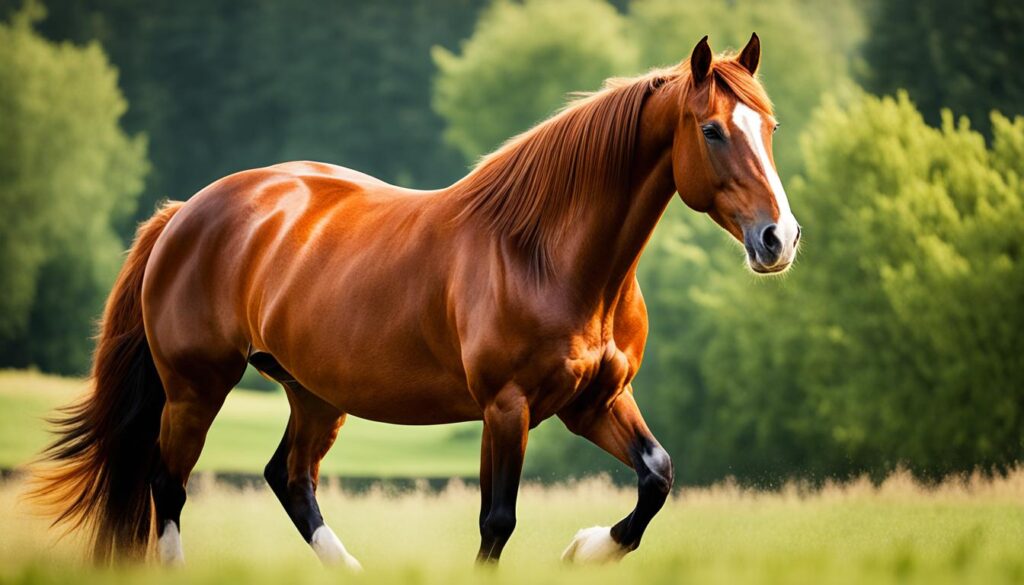
When it comes to breeding horses, selecting the right mare is crucial. The mare’s temperament and overall health play a vital role in the success of a breeding program.
By carefully assessing these key factors, breeders can increase the chances of producing high-quality foals with desirable traits.
Assessing Temperament and Health
A mare’s temperament is a significant consideration when choosing a breeding partner. An even-tempered mare is more likely to be a reliable and cooperative mother, ensuring the foal’s safe and healthy development. Breeders should observe the mare’s behavior in various situations, such as handling, grooming, and interactions with other horses, to evaluate her temperament.
In addition to temperament, the mare’s health is another crucial factor in the selection process. A mare with a history of soundness, reproductive health, and overall well-being is more likely to produce a strong, healthy foal. Breeders should thoroughly examine the mare’s medical records, consult with veterinarians, and conduct any necessary health tests to ensure the mare is in optimal condition for breeding.
By considering both temperament and health, breeders can make informed decisions when choosing the ideal mare for their breeding program. This approach helps to ensure the production of high-quality foals with the desired mare selection, temperament, and health characteristics.
Selective Breeding Practices for Horses
In the realm of equine breeding, selective breeding practices play a crucial role in enhancing desired traits and improving the overall genetic makeup of the herd. These practices, which include linebreeding, outcrossing, and other techniques, aim to leverage the power of genetics to cultivate superior horses.
Linebreeding, a common strategy in selective breeding practices, involves mating closely related individuals to amplify desirable characteristics. This approach can strengthen specific traits, but it also carries the risk of magnifying undesirable qualities if not executed with care.
On the other hand, outcrossing involves introducing new genetic material from less closely related individuals, which can help infuse diversity and mitigate the potential for inbreeding depression.
Beyond these foundational techniques, equine breeding experts often employ a range of other selective breeding practices, such as backcrossing, grading up, and selective culling.
These methods are meticulously designed to genetic improvement and refine the herd’s overall quality, ensuring the preservation and enhancement of the breed’s most desirable attributes.
- Linebreeding: Mating closely related individuals to amplify desirable traits
- Outcrossing: Introducing new genetic material to diversify the gene pool
- Backcrossing: Mating an offspring to one of its parents or a genetic equivalent
- Grading Up: Gradually improving the quality of a herd through selective breeding
- Selective Culling: Removing individuals with undesirable traits from the breeding program
By carefully implementing these selective breeding practices, equine breeders can cultivate horses with exceptional conformation, performance, and temperament, ensuring the continued genetic improvement and preservation of the breed’s most valuable characteristics.
Linebreeding and Outcrossing Strategies
In the realm of selective horse breeding, two distinct strategies have emerged as powerful tools: linebreeding and outcrossing. Understanding the nuances of these approaches can empower breeders to make informed decisions and achieve their desired breeding goals.
Linebreeding: Concentrating Desirable Traits
Linebreeding is the practice of mating horses that share a common ancestor, often in an effort to concentrate and amplify specific desirable traits.
This technique can be particularly useful when a breeder seeks to enhance a particular physical characteristic or performance ability within their herd. By selectively breeding closely related individuals, breeders can increase the likelihood of producing offspring that exhibit the coveted traits.
Outcrossing: Expanding Genetic Diversity
In contrast, outcrossing involves mating horses that are less closely related, often from different bloodlines. This approach aims to introduce new genetic material into the breeding pool, thereby increasing genetic diversity.
Outcrossing can be beneficial in counteracting the potential drawbacks of linebreeding, such as the concentration of undesirable traits or the narrowing of the gene pool.
Each strategy has its own advantages and disadvantages, and the choice between linebreeding and outcrossing often depends on the specific goals and needs of the breeding program.
Careful consideration of factors such as breeding strategies, linebreeding, and outcrossing can help breeders strike the delicate balance between genetic diversity and the optimization of desired traits.
Performance Breeding for Specific Disciplines
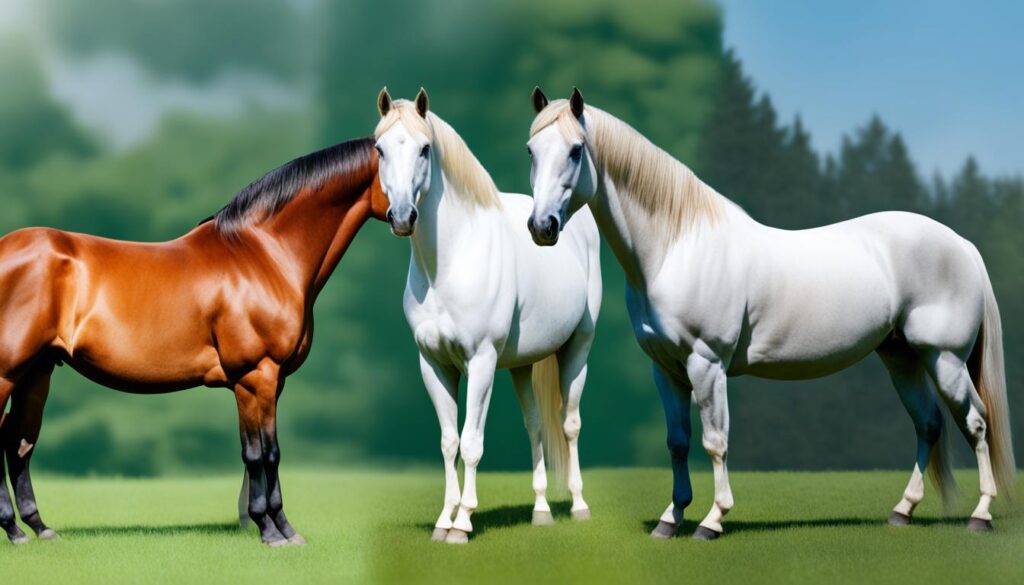
In the realm of equestrian sports, selective breeding has become a crucial tool for breeders seeking to cultivate horses with the ideal attributes for specific disciplines. Whether it’s the graceful movements of dressage, the thrill of jumping, or the sheer power and speed of racing, each equestrian event demands unique physical and behavioral characteristics from the participating horses.
Dressage and the Art of Elegance
For the sport of dressage, breeders focus on selecting horses with a natural inclination towards collected, cadenced movements, and a calm, responsive temperament. These traits are essential for the horse to execute the intricate patterns and precise transitions required in dressage competitions. Breeders often turn to bloodlines known for their elegant movement and trainability to produce dressage superstars.
Jumping: Agility and Athleticism
In the world of show jumping, breeders seek to breed horses with exceptional athletic ability, agility, and a bold, fearless disposition. These horses must possess the power to clear towering obstacles, the agility to navigate tight turns, and the courage to tackle challenging courses.
Careful selection of sires and dams with proven jumping abilities and sound conformation is the key to producing successful jumping horses.
Racing: Speed and Stamina
For the thrilling sport of racing, breeders prioritize breeding for speed, endurance, and a competitive spirit. Horses destined for the racetrack must possess the raw power to accelerate rapidly, the cardiovascular fitness to maintain a blistering pace, and the determination to push through the finish line.
Breeders scrutinize pedigrees, conformation, and performance records to identify the most promising racing prospects.
By focusing on the unique requirements of each equestrian discipline, breeders can harness the principles of performance breeding to produce horses that excel in their respective arenas. This specialized approach ensures that the horses are not only physically capable but also possess the inherent traits necessary to thrive in their chosen equestrian pursuits.
Recordkeeping and Documentation
Meticulous recordkeeping and comprehensive documentation are essential in the world of selective horse breeding. As breeders strive to enhance desired traits and manage genetic disorders, maintaining accurate breeding records and pedigree information becomes paramount.
Responsible breeders understand the significance of documenting every step of their breeding programs. From detailed breeding records to comprehensive pedigree information, this data serves as the foundation for making informed decisions and ensuring the traceability of their breeding efforts.
The importance of recordkeeping cannot be overstated. Breeders should meticulously document the lineage, performance, and health of their breeding stock, as well as the outcomes of each breeding event.
This data allows them to track the inheritance and expression of desirable and undesirable traits, enabling them to make strategic choices for future breeding plans.
Alongside breeding records, documentation of pedigree information is equally crucial. Maintaining accurate pedigree records ensures the preservation of valuable genetic information, which can be leveraged to make informed decisions about breeding choices and the management of genetic disorders.
- Detailed breeding records, including sire, dam, and offspring information
- Comprehensive pedigree data, tracing the lineage of breeding stock
- Performance and health histories of individual horses
- Genetic testing results and the analysis of inherited traits
By embracing a culture of meticulous recordkeeping and comprehensive documentation, breeders can enhance the success of their selective breeding programs, ensure the traceability of their efforts, and contribute to the overall genetic health and improvement of the horse breed.
Preventing and Managing Genetic Disorders
In the pursuit of selective breeding, it is crucial to address the challenge of genetic disorders that can arise within the herd. Proactive measures, such as genetic testing and responsible breeding practices, play a vital role in maintaining the health and well-being of horses.
By understanding the underlying genetic factors and implementing effective strategies, breeders can safeguard the future of their equine population.
Testing and Responsible Breeding Practices
Genetic testing has become an invaluable tool in the modern era of horse breeding. By screening for known genetic disorders, breeders can make informed decisions and avoid perpetuating harmful traits within their breeding program.
This proactive approach allows for the early identification of potential issues, enabling breeders to make responsible choices that prioritize the long-term health and vitality of their herd.
Responsible breeding practices go hand-in-hand with genetic testing. Breeders should carefully evaluate the genetic profiles of their horses, identifying carriers or affected individuals, and make breeding decisions that minimize the risk of passing on undesirable genetic traits.
This may involve selective mating, outcrossing strategies, or even refraining from breeding certain individuals to prevent the propagation of genetic disorders.
FAQ
What are the key objectives of selective breeding practices for horses?
The primary objectives of selective breeding practices for horses are to enhance desired traits, improve performance, and maintain healthy bloodlines in equine genetics.
Breeders aim to selectively breed horses with the goal of producing offspring that possess the characteristics and capabilities they seek, whether it’s for specific equestrian disciplines, conformation, or overall health and well-being.
How do equine genetics and heredity influence the physical characteristics of horses?
Equine genetics play a crucial role in determining the physical characteristics, or phenotype, of horses. The principles of heredity dictate how genetic traits are passed down from parents to offspring, resulting in the unique features and abilities that are expressed in each individual horse.
Understanding these genetic mechanisms is essential for breeders to make informed decisions and implement effective selective breeding practices.
Why is it important to screen for genetic disorders in horse breeding?
Screening for genetic disorders is a critical aspect of responsible horse breeding. Certain genetic conditions can be passed down through bloodlines, potentially leading to health issues or undesirable traits in the offspring.
By utilizing genetic testing, breeders can identify the presence of genetic disorders and make informed decisions to prevent the propagation of these issues within their breeding programs, ensuring the overall health and well-being of the herd.
How do breeders establish clear breeding goals for their horse breeding programs?
Establishing clear and specific breeding goals is a fundamental step in implementing effective selective breeding practices for horses. Breeders must carefully identify the desirable traits, characteristics, and performance abilities they wish to prioritize and then plan their breeding programs accordingly.
This targeted approach allows them to make informed decisions throughout the breeding process and work towards the consistent improvement of their herd.
What factors do breeders consider when selecting the ideal stallion for their breeding program?
When selecting a stallion for breeding, breeders carefully evaluate several key factors, including conformation, performance, bloodlines, and pedigrees.
By assessing the stallion’s physical attributes, athletic abilities, and genetic lineage, breeders can make informed decisions to ensure the production of high-quality foals that possess the desired traits and characteristics.
How do breeders assess the suitability of a mare for their breeding program?
In addition to evaluating the stallion, breeders also carefully assess the temperament and overall health of the mare when selecting breeding stock. The mare’s temperament and disposition can significantly influence the behavior and trainability of the resulting foal, while her general health and well-being contribute to the production of a strong, viable offspring.

I’m Fredson Smith, a dedicated researcher at Dincards, passionate about exploring and sharing the diverse world of equines with our readers.